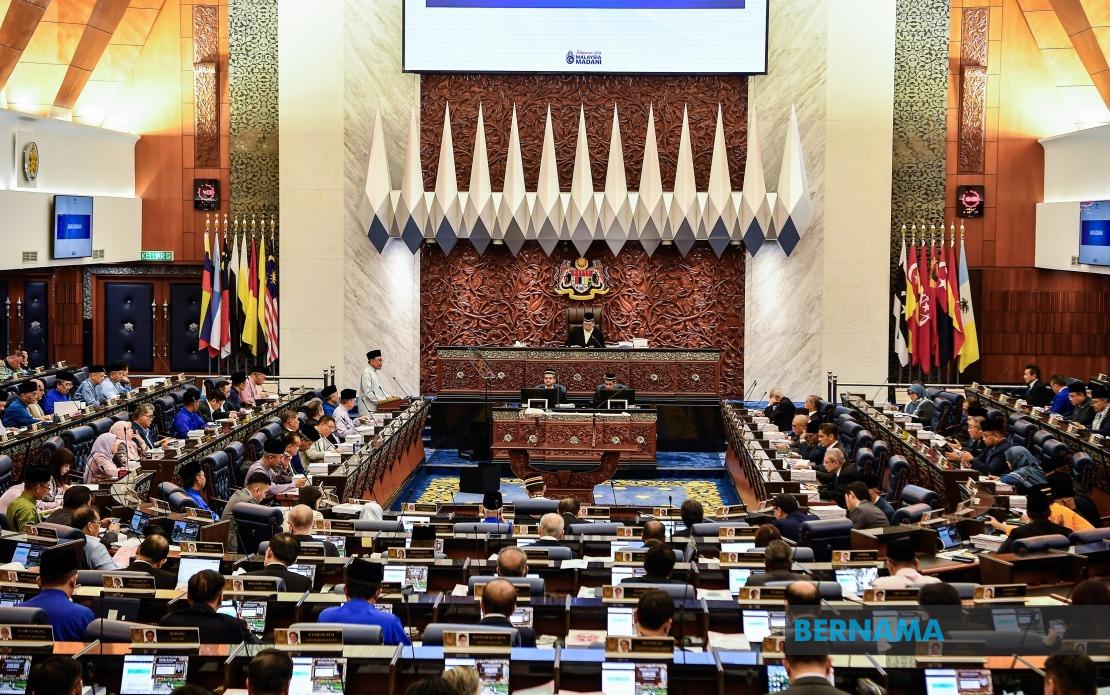
Malaysia's Parliament has taken a decisive step toward modernising the nation's digital crime framework by passing the Cybercrimes Bill 2026 in the Dewan Rakyat today. The comprehensive legislation, which encompasses 61 clauses addressing various cybercriminal activities, gained approval through a majority voice vote following extensive debate involving 48 lawmakers from both the government and opposition benches. The bill's passage represents a significant response to the growing threat of technology-enabled crimes that have increasingly affected Malaysian citizens, particularly those victimised by non-consensual intimate imagery and deepfake manipulations distributed online.
At the heart of the new law lies a targeted approach to combating deepfakes and the dissemination of sexually explicit digital images created or manipulated without consent. These offences have emerged as pressing concerns across Southeast Asia, where perpetrators exploit sophisticated computer systems to create convincing false videos and photographs that damage reputations, facilitate harassment, and in some cases enable extortion schemes. The bill's inclusion of specific provisions addressing these crimes acknowledges Malaysia's commitment to protecting citizens from a category of harm that existing legislation had not adequately addressed.
Deputy Prime Minister Datuk Seri Dr Ahmad Zahid Hamidi, who wound up the parliamentary debate, took particular care to emphasise that the bill operates within carefully defined constitutional boundaries. He stressed that the legislation does not grant authorities unchecked power or supersede existing legal frameworks, including the Official Secrets Act 1972. This clarification was crucial given widespread concerns across democratic societies that expansive cybercrime laws can be weaponised against political opponents, journalists, and activists. The government's explicit articulation of these limits suggests an attempt to balance security imperatives with civil liberties protection.
The bill incorporates multiple procedural checks designed to prevent arbitrary exercise of investigative powers. Access to computer systems and data cannot be granted to authorities without strict adherence to prescribed legal procedures, a safeguard that addresses concerns about warrantless surveillance and privacy violations. The requirement that investigating officers obtain advance approval before accessing digital information mirrors protections found in established legal systems and reflects international best practices regarding data protection.
Notably, the legislation establishes that notices to preserve computer data may only be issued under specific conditions. An investigating officer must first satisfy themselves that the targeted data is genuinely required for legitimate investigative purposes and that there exists a genuine risk of the information being deleted, altered, or destroyed without immediate intervention. This dual-requirement approach—necessity plus imminent risk—prevents authorities from issuing preservation orders as a fishing expedition or as a general investigative tool. Such mechanisms are essential in jurisdictions where the distinction between legitimate investigation and harassment can become blurred.
Regarding disclosure of preserved computer data, the bill mandates that such information can only be released through formal written notification to the person or entity owning or controlling that data. This transparency requirement ensures that individuals know when authorities have accessed their digital information and can potentially challenge such access through legal channels. The requirement that any disclosure must be connected to a lawful investigation creates an additional layer of accountability, preventing the unauthorised sharing of sensitive digital information between government agencies or its misuse for purposes beyond the investigation that prompted its collection.
The broad parliamentary support for the bill, encompassing lawmakers from multiple political parties, suggests recognition across the Malaysian political spectrum that cybercrime legislation was overdue. The participation of 48 members in the debate indicates substantive engagement with the bill's provisions and suggests that the final text represented compromise positions addressing concerns raised by both government and opposition members. This collaborative approach to national security legislation tends to produce laws with greater perceived legitimacy and broader public acceptance.
For Malaysian citizens, the bill offers improved protection against a growing category of digital crimes that can cause substantial harm to victims. The non-consensual distribution of intimate images, whether genuine or artificially created, has destroyed careers, damaged relationships, and driven some victims to self-harm. Deepfake technology, which enables the creation of convincing false videos showing individuals saying or doing things they never actually said or did, poses risks to public discourse, political stability, and individual reputation. By criminalising these activities, Malaysia joins other nations in recognising that technological advancement requires corresponding legal evolution.
However, the bill's implementation will ultimately determine whether it serves as a targeted tool against genuine criminal conduct or becomes a mechanism for suppressing legitimate online expression. Enforcement decisions by investigating officers, prosecutorial choices about which cases to pursue, and judicial interpretation of the law's provisions will all shape its real-world impact. The procedural safeguards built into the legislation mean little if not consistently applied by authorities.
From a Southeast Asian perspective, Malaysia's legislation may influence how neighbouring countries approach similar challenges. The region faces similar deepfake and non-consensual intimate image problems, yet many jurisdictions lack specific laws addressing these harms. Malaysia's example, particularly its attempt to balance security with rights protection, could serve as a template or cautionary tale for other ASEAN member states developing their own cybercrime frameworks.
The bill now moves toward implementation, requiring the establishment of enforcement mechanisms, training of relevant authorities, and public education about the new offences. The government's success in addressing cybercrime will depend not merely on the elegance of its statutory language but on the consistent, fair, and transparent application of these new tools by law enforcement agencies tasked with investigating the nation's digital frontier.

