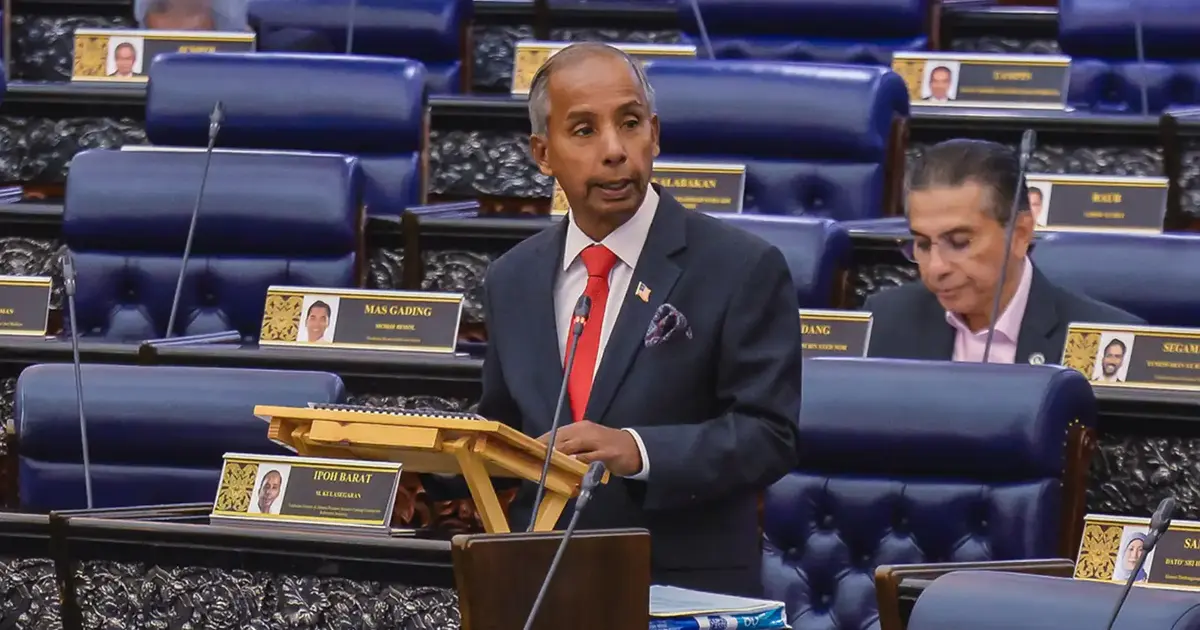
Parliamentarians may eventually be permitted to view CCTV recordings from the Taiping prison riot, according to Deputy Law and Institutional Reform Minister Kula, though significant procedural hurdles remain before such access could be granted. The deputy minister's cautious statement reflects the delicate balance between legislative transparency demands and the judicial constraints that currently govern the distribution of sensitive security footage. The prospect of MPs reviewing video evidence from the incident represents a potential breakthrough in parliamentary oversight, yet it is far from certain given the existing legal complications that have delayed public disclosure of the materials.
Kula emphasised that any decision to allow legislative viewing of the footage would first require Cabinet approval, a prerequisite that underscores the political sensitivity surrounding the prison disturbance. The requirement for ministerial-level consensus suggests that multiple government agencies have stakes in how the footage is handled and disseminated. This multi-departmental approval process reflects broader concerns within the government about setting precedents for releasing sensitive security materials from correctional facilities. The deputy minister's insistence on Cabinet involvement indicates that the matter extends beyond routine administrative procedure and touches on questions of national security and institutional protocol.
The primary impediment to releasing or widely sharing the footage stems from ongoing court cases connected to the prison riot. Several legal proceedings are currently active, and the materials involved in those cases are subject to strict evidentiary rules and judicial discretion. Releasing footage before these legal matters conclude could potentially compromise prosecutions, interfere with fair trial protections, or create complications if evidence is subsequently disputed in court proceedings. The judiciary's interest in preserving the integrity of ongoing cases provides legitimate grounds for restricting access, even as pressure mounts from Parliament for greater transparency regarding what occurred during the disturbance.
The Taiping prison riot, when it occurred, generated significant public and parliamentary concern about security protocols within Malaysia's correctional system. MPs from various political backgrounds have called for investigations into how the incident unfolded and what systemic failures may have contributed to the disturbance. The CCTV footage represents the most objective documentary evidence of the event's progression and would ostensibly provide lawmakers with definitive visual information to inform any legislative oversight or policy discussions. However, the same footage's value as evidence in criminal proceedings has created a tension between transparency and judicial prudence.
Kula's measured approach reflects the government's awareness that both transparency and legal caution have their place in a functioning democracy. Complete secrecy regarding prison incidents feeds public suspicion and undermines confidence in correctional institutions, while premature release of evidence risks undermining the rule of law. The deputy minister's suggestion that a middle path exists—allowing limited legislative access while protecting ongoing prosecutions—may represent a pragmatic solution. However, the details of how such access would be structured, what restrictions would apply, and which MPs would be eligible to view the materials remain unclear.
For Malaysian lawmakers, access to this footage would constitute an important precedent in holding executive agencies accountable. The ability to review security footage from significant incidents within government facilities could strengthen parliamentary committees' capacity to conduct meaningful oversight of the prison system. This precedent could also extend to other sensitive institutions and security matters, potentially reshaping how Malaysia's legislature engages with the executive branch on questions of institutional accountability and public safety. The outcome of this case may therefore influence parliamentary practice well beyond the specific incident at Taiping.
The delay in resolving this matter highlights structural tensions within Malaysia's governance framework. Legislatures typically operate on principles of transparency and public accountability, while judicial and security systems operate under confidentiality and evidentiary restrictions. These competing institutional imperatives often collide when high-profile incidents occur in sensitive environments. Finding mechanisms that serve both transparency and legal integrity remains an ongoing challenge for the government and Parliament.
Seeks Cabinet-level decision-making also suggests that this is not merely a administrative or ministerial matter but one with broader political implications. Different coalition partners within the government may have varying interests in how the footage is handled, and Cabinet deliberation provides a venue for negotiating these competing interests. The process itself, though slow, reflects the consensus-based approach that characterises Malaysia's current governing structure. Ultimately, MPs' access to the Taiping prison footage will depend on whether the government can craft an arrangement that satisfies judicial concerns while meeting Parliament's legitimate oversight expectations.

