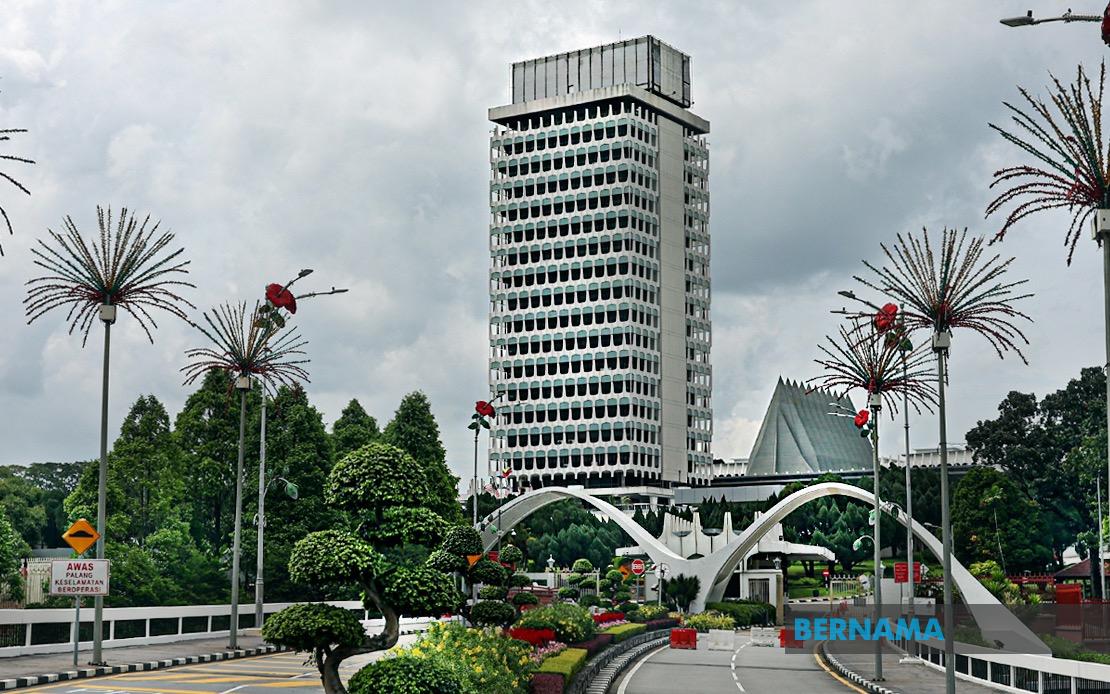
Malaysia's Parliament opened its second meeting of the fifth session today with lawmakers signalling serious concern about how disruptions to shipping through the Strait of Hormuz could reverberate through domestic industries and consumer prices. The 16-day sitting, which runs until July 16, will see legislators address several interconnected economic and governance challenges that reflect broader regional anxieties about global supply chain fragility and technological risk.
Datuk Dr Richard Rapu @ Aman anak Begri from GPS-Betong will press the Economy Minister on how assessments of Hormuz-related trade disruptions might affect Malaysian manufacturers and their operating costs, as well as any projected impact on the national inflation rate for the second quarter of 2026. This line of questioning underscores Malaysia's vulnerability as a trading nation dependent on stable maritime corridors through one of the world's most strategically sensitive waterways. The Strait of Hormuz, through which roughly one-fifth of global crude oil passes, remains a persistent flashpoint for regional tensions that can rapidly destabilise commodity prices and logistics costs across supply chains that feed Malaysian factories.
Beyond immediate trade impacts, Dr Rapu also plans to question the minister about contingency planning embedded within the 13th Malaysia Plan, seeking assurance that growth targets can withstand a prolonged global economic contraction. This reflects growing apprehension in policy circles that the world economy may face headwinds beyond those arising from Middle Eastern geopolitical friction. Malaysia's economy, which exports manufactured goods and electronics to global markets, would face significant headwinds if international demand weakened substantially, making forward planning essential.
On a separate but equally significant front, Onn Abu Bakar from PH-Batu Pahat will question the Prime Minister about improvements to Malaysia's haj management framework in anticipation of the 2027 pilgrimage season. His inquiry focuses on three practical dimensions: the cost burden on pilgrims, the length of waiting periods for those seeking to perform the hajj, and the welfare and health protections extended to Malaysian pilgrims during their time in Saudi Arabia. The haj system touches millions of Malaysian families and represents an important religious and social commitment; improvements to its administration can meaningfully enhance the pilgrimage experience while managing government expenditure.
The parliamentary agenda also reflects deepening concern about artificial intelligence and its darker applications. Wong Shu Qi, representing PH-Kluang, will ask the Digital Minister whether the Artificial Intelligence Governance Bill currently under development will include explicit safeguards against misuse cases such as deepfake imagery involving child sexual exploitation, identity spoofing, and the non-consensual spread of intimate content. These questions align with international regulatory trends and signal that Malaysian lawmakers recognise AI governance cannot remain vague or generic; it must address concrete harms that technology enables, particularly those targeting vulnerable populations. The bill's design will likely set the tone for how Malaysia balances AI innovation with consumer protection.
Food security concerns arising from Middle Eastern instability have also entered parliamentary focus. Datuk Dr Radzi Jidin from PN-Putrajaya will seek details from the Agriculture and Food Security Minister on both current and planned government interventions designed to shield Malaysia's food supply from external shocks triggered by regional conflict. This question acknowledges that Malaysia, which imports a substantial share of its food requirements, faces genuine vulnerability should Middle Eastern disruptions affect global agricultural trade, fertiliser availability, or shipping costs. Understanding the government's layered approach—short-term crisis response, medium-term supply chain diversification, and long-term self-sufficiency initiatives—matters to Malaysian consumers and agricultural stakeholders alike.
Two legislative initiatives round out the session agenda. The Cybercrime Bill 2026 and the Road Transport Act (Amendment) Bill 1987 will both be tabled during the sitting, addressing digital security governance and vehicular transport regulation respectively. These measures represent the mechanical work of Parliament, yet they signal the institution's intent to update frameworks governing evolving threats and logistics challenges that shape daily Malaysian life.
The parliamentary programme reflects an interconnected set of economic and social pressures converging on Malaysia simultaneously. Global maritime disruptions, inflationary forces, artificial intelligence misuse, food import dependencies, and pilgrim welfare all intersect in ways that require coordinated government responses. Lawmakers are clearly signalling that mere reactive crisis management will prove insufficient; systematic planning and legislative modernisation are necessary. The questions raised today will generate official responses that may reveal how thoroughly the government has mapped these interdependent risks and what resources it intends to deploy against them.
For Malaysian business and civil society observers, the parliamentary sitting offers a window into which issues command official attention and which remain neglected. The emphasis on Hormuz disruptions and food security suggests the government recognises external vulnerabilities; the AI governance questions indicate awareness of technological risks; the haj management inquiry shows concern for citizen welfare. How substantively these themes are addressed in ministerial responses and subsequent legislative action will indicate whether Malaysia possesses the institutional capacity and political will to navigate an increasingly complex and fragmented global order.
%22%2F%3E%3C%2Fpattern%3E%3C%2Fdefs%3E%3Crect%20width%3D%22100%25%22%20height%3D%22100%25%22%20fill%3D%22url(%23ph35ytfg)%22%2F%3E%3Crect%20width%3D%22100%25%22%20height%3D%22100%25%22%20fill%3D%22url(%23ph35ytfp)%22%2F%3E%3Ctext%20x%3D%2250%25%22%20y%3D%2250%25%22%20text-anchor%3D%22middle%22%20dominant-baseline%3D%22central%22%20fill%3D%22rgba(255%2C255%2C255%2C0.95)%22%20font-family%3D%22Georgia%2C%20'Times%20New%20Roman'%2C%20serif%22%20font-weight%3D%22700%22%20font-size%3D%22320%22%20letter-spacing%3D%22-0.02em%22%3EMuda%3C%2Ftext%3E%3C%2Fsvg%3E)