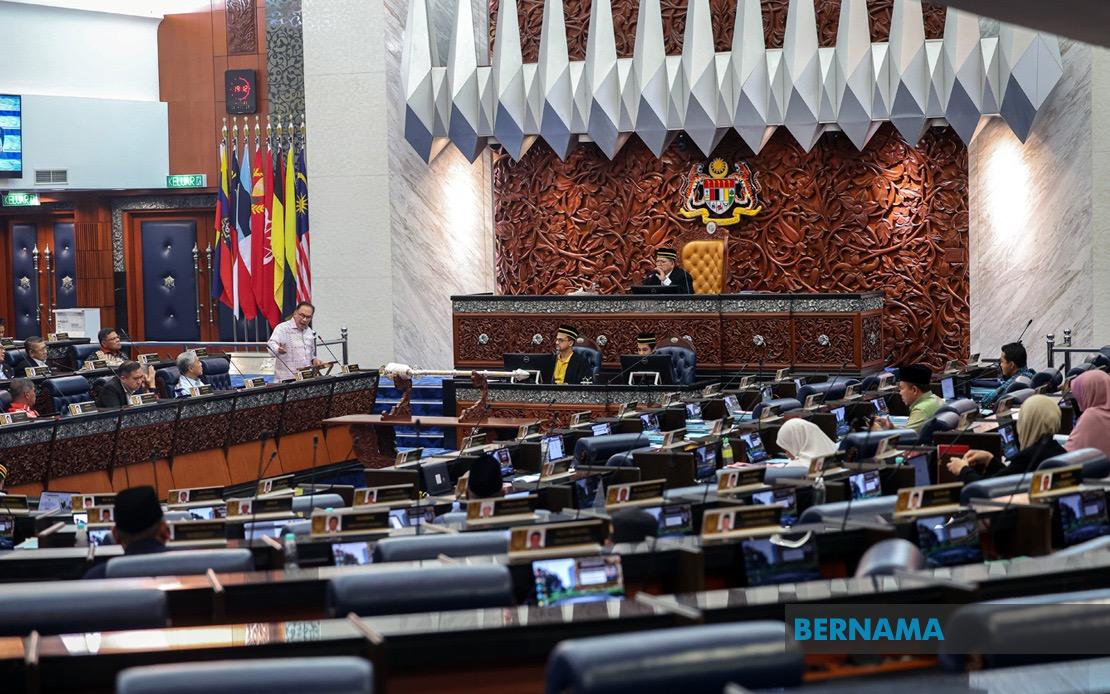
Parliament has taken a decisive step toward strengthening Malaysia's employment reporting framework by approving a tiered penalty system designed to encourage employer compliance with job vacancy notification requirements. The Dewan Rakyat's passage of amendments to the Employment Insurance System (Amendment) Bill 2025 on June 30 introduces progressive fines that escalate based on the frequency of non-compliance, reflecting a broader policy shift toward structured enforcement balanced against operational practicality for Malaysian businesses.
The penalty framework, originally endorsed by the Dewan Negara in March, establishes three compliance tiers: a first-time offender faces a maximum fine of RM1,000, a second breach incurs RM3,000, and any subsequent violations attract penalties up to RM5,000. This graduated approach represents a compromise between protecting the integrity of the labour market and acknowledging the real-world constraints faced by employers across Malaysia's diverse economic landscape, from large multinational corporations to small family enterprises operating in less connected regions.
Deputy Human Resources Minister Datuk Khairul Firdaus Akbar Khan articulated during parliamentary debate that the amendments prioritise education and voluntary compliance mechanisms before resorting to financial penalties. He emphasised that employers would receive compliance notices providing them opportunity to correct reporting failures before any fines are imposed, effectively creating a remedial pathway rather than an immediate punitive measure. This graduated enforcement philosophy recognises that some non-compliance may stem from administrative oversight, lack of awareness, or unfamiliarity with digital systems rather than deliberate evasion of obligations.
The original proposal had contemplated maximum fines reaching RM10,000, but stakeholder feedback gathered during extensive consultation sessions with various industry sectors persuaded the government to moderate its approach. PERKESO conducted nationwide engagement and advocacy sessions that yielded practical insights from employers regarding compliance challenges and implementation barriers. This consultation process refined the legislation to better reflect genuine business operational realities while preserving the legislative intent to improve labour market efficiency and reduce unemployment through more complete job vacancy reporting.
The significance of mandatory vacancy reporting extends beyond simple administrative compliance. By requiring employers to notify PERKESO of available positions, the legislation aims to create a more organised and transparent employment ecosystem that serves Malaysia's jobseekers and broader economic objectives. Complete and timely reporting enables PERKESO and the government to develop more accurate labour market intelligence, identify skills gaps, match unemployed workers with genuine opportunities, and formulate evidence-based employment policies responsive to regional and sectoral variations across Malaysia.
Parliamentary participants from both government and opposition benches, representing 13 MPs across multiple political groupings, emphasised the critical importance of establishing straightforward and user-friendly reporting mechanisms. Their interventions during debate reflected constituency concerns about administrative burden on employers, particularly smaller enterprises lacking dedicated human resources departments or sophisticated digital infrastructure. These practical considerations led to a shared consensus that reporting systems must facilitate rather than obstruct compliance, ensuring that the compliance notice regime and supporting infrastructure can reasonably accommodate businesses of varying sizes and technological sophistication.
Among the parliamentary voices, Nurul Amin Hamid representing PN-Padang Terap raised particular concern regarding awareness gaps in rural and less urbanised business communities. Rural entrepreneurs operating in states such as Terengganu and Kedah may have limited familiarity with statutory employment reporting obligations, making public education and extension services essential components of successful implementation. The government and PERKESO will need to conduct targeted outreach in these regions to ensure that the penalty structure serves as an incentive for compliance rather than a surprise liability for businesses unaware of their obligations.
Azahari Hasan, MP for PN-Padang Rengas, stressed that efficient and straightforward reporting mechanisms directly support Malaysia's employment policy objectives. When employers systematically report vacancies to PERKESO, the resulting data enables more precise job-matching between available workers and employer needs, reduces structural unemployment stemming from information asymmetries, and provides policymakers with real-time visibility into labour market dynamics. This data infrastructure becomes particularly valuable for monitoring sectoral employment trends, identifying emerging skills shortages, and informing vocational training and education priorities at both federal and state levels.
Symmetry Abdul Rashid, representing PH-Bukit Bendera, highlighted the governance dimension of vacancy reporting, emphasising the importance of transparent job advertisements through official government portals. This transparency principle connects directly to the bill's underlying rationale: ensuring fair and equitable access to employment opportunities across Malaysian society. When job vacancies are systematically reported and publicly advertised through government channels rather than communicated informally through personal networks or private recruitment channels, jobseekers from disadvantaged backgrounds gain equal information access and competitive opportunity.
The legislative approach reflects Malaysia's broader policy evolution toward evidence-based governance in labour market regulation. Rather than imposing draconian penalties that might discourage formal employment relationships, the tiered structure coupled with compliance notice procedures and guided employer engagement sessions represents a sophisticated regulatory philosophy balancing enforcement credibility with incentives for voluntary cooperation. PERKESO's commitment to continuing guidance and engagement sessions recognises that sustainable compliance stems from mutual understanding and collaborative problem-solving rather than adversarial punishment.
Implementation success will depend significantly on PERKESO's capacity to deliver user-friendly digital reporting systems, multilingual support services, and accessible guidance materials across Malaysia's heterogeneous employer base. The organisation faces the challenge of reaching small businesses in rural areas while simultaneously managing compliance monitoring across metropolitan employment hubs. Training programmes for employers, support for business associations and chambers of commerce, and proactive communication campaigns will all contribute to creating widespread understanding that vacancy reporting benefits both workers seeking employment and businesses seeking qualified talent.
The parliamentary approval of these amendments represents consensus among government and opposition members that organised labour markets serve Malaysia's economic interests and workforce development objectives. By establishing transparent job vacancy reporting mechanisms backed by proportionate penalties, the nation takes measurable steps toward reducing information asymmetries that disadvantage jobseekers and undermine efficient resource allocation. The tiered penalty structure signals that deliberate non-compliance will face consequences while accommodating the learning curve and administrative capacity building required across Malaysia's diverse business community.

