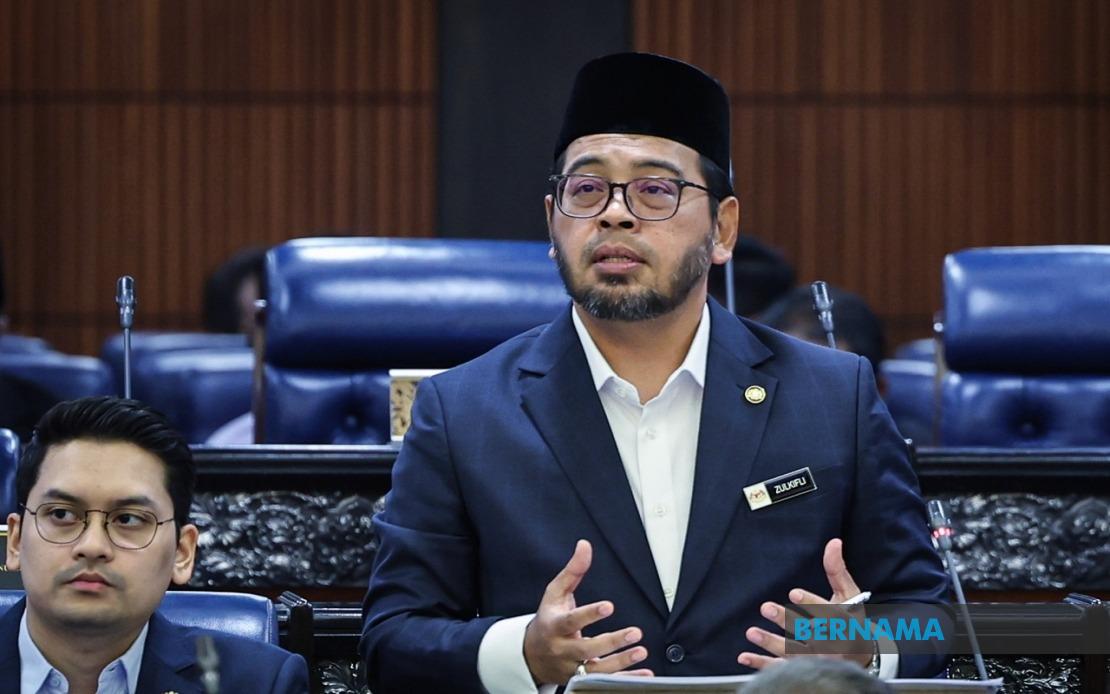
Parliament convened for an intensive special sitting on August 11 to scrutinise the Royal Commission of Inquiry findings on Tabung Haji, with lawmakers united in demanding fundamental institutional reforms and the pursuit of those responsible for the organisation's accumulated financial damage. The marathon debate, lasting more than ten hours from morning onwards, revealed deep concerns about governance lapses, investment mismanagement, and the pressing need to rebuild trust among the more than ten million Muslims whose savings are entrusted to the institution.
The Royal Commission report, released publicly on July 29, documented pervasive weaknesses in Tabung Haji's management and operations spanning the 2014 to 2020 period, outlining 25 specific recommendations for improvement. By late July, Tabung Haji had already implemented three-quarters of these recommendations, demonstrating some urgency in addressing the identified shortcomings. However, lawmakers stressed that implementation alone would be insufficient without simultaneous accountability mechanisms and transparent investigations into how the organisation allowed such extensive losses to accumulate.
The financial scale of Tabung Haji's difficulties became stark during the debate when Finance Minister II Datuk Seri Amir Hamzah Azizan detailed the extent of the damage: nearly RM13 billion in losses spanning fourteen problematic investments, with seven investments recording complete losses. This figure alone underscores the magnitude of the institutional failure that had jeopardised the retirement and pilgrimage savings of ordinary Malaysians who had contributed dutifully to the scheme over decades. The government's RM10.2 billion rescue intervention through Urusharta Jamaah Sdn Bhd in 2018 ultimately shifted much of this burden onto Malaysian taxpayers, while an additional RM2.6 billion in impairment losses have been borne by Tabung Haji itself between 2018 and 2025 for investments still under its management.
One particularly damaging case involved Al-Rawda Real Estates Development & Project Management Co Ltd, to which Tabung Haji channelled 1.4 billion Saudi riyals—equivalent to approximately RM1.5 billion—purportedly to secure leases on four hotels in Madinah and Makkah for hajj pilgrims. The arrangement collapsed when the counterparty failed to honour rental payment obligations to Tabung Haji, forcing the institution to record a complete RM1 billion impairment in 2024. Such specifics prompted lawmakers to demand rigorous investigation into how such arrangements were approved, monitored, and ultimately allowed to fail catastrophically.
Parliament's focus extended beyond financial recovery to the institutional architecture that had permitted such malfeasance. Multiple MPs called for expedited amendments to the Tabung Haji Act 1995, recognising that outdated legislation had constrained effective oversight and internal controls. The persistent concern was that governance weaknesses had created space for poor decision-making, inadequate investment scrutiny, and insufficient checks and balances. Minister in the Prime Minister's Department (Religious Affairs) Dr Zulkifli Hasan emphasised during his briefing that an institution's strength cannot rest on individual leaders but must be anchored in robust systems, transparent processes, and binding governance protocols that transcend personnel changes.
The government signalled receptiveness to parliamentary pressure, notably welcoming a proposal to establish a multi-agency task force specifically tasked with investigating investments at risk of incurring further losses. This represents a strategic shift toward preventative oversight rather than post-facto damage control. Additionally, authorities indicated that investigations initiated following the Royal Commission findings had already resulted in the detention of several individuals suspected of misconduct including alleged bribery, abuse of power, and governance violations. The government's framing of its response emphasised four pillars: investigation, enforcement action, asset recovery, and legislative and governance strengthening.
A notable element of the debate involved criticism of opposition MPs who chose not to participate, with government figures and some analysts contending that such absence represented an abdication of parliamentary duty to provide checks and balances on behalf of ten million depositors. The decision by some lawmakers to boycott the proceedings became its own commentary on the political dimensions of the Tabung Haji crisis, with implications for how various political factions positioned themselves on institutional accountability and public trust.
Dr Zulkifli stressed during his parliamentary winding-up remarks that individual officials may rotate through positions, but the systems and governance principles must remain permanently embedded to ensure continuous protection of depositors' interests. This philosophy reflected an understanding that Tabung Haji's crisis stemmed not from isolated corrupt individuals but from systemic vulnerabilities that allowed questionable decisions to proceed without adequate oversight. The emphasis on institutional resilience rather than personality-dependent leadership represents a potentially significant recalibration of how Malaysian public institutions approach governance reform.
The government also highlighted measures implemented since 2018 that have stabilised Tabung Haji's financial footing and strengthened governance frameworks and investment quality protocols. Critically, the administration maintained the hajj pilgrimage cost at RM33,300 across three consecutive seasons from 2024 to 2026, signalling that recovery measures were being calibrated to preserve affordability for Malaysian Muslims despite the institution's traumatic financial history. This pricing decision carried political weight, demonstrating that reform was not simply an accounting exercise but involved protecting the practical ability of ordinary Malaysians to fulfill religious obligations.
The government's decision to delay releasing the Royal Commission report until authorities could implement preliminary recommendations reflected a strategic calculation that transparency needed to be paired with demonstrable remedial action. This approach attempted to balance accountability disclosure with evidence that the institution was actively addressing identified weaknesses. The July 29 public release occurred after Tabung Haji had already begun implementing systemic changes, allowing the government to present reform as concurrent rather than reactive to the report's publication.
Parliamentary focus on depositor protection mechanisms signalled recognition that Tabung Haji occupies a unique position in Malaysia's social contract, managing savings not merely as a financial institution but as a custodian of Muslims' religious aspirations and retirement security. The debate thus transcended conventional discussions of corporate governance or investment recovery, touching on questions of public trust in institutions managing collectively important communal resources. The thirty-nine MPs who participated engaged substantively with detailed financial particulars and legislative recommendations, suggesting that reform momentum had achieved genuine cross-party traction despite the opposition boycott.
Looking forward, the multi-agency task force proposal and the prospect of expedited legislative amendments to the Tabung Haji Act 1995 may establish precedents for how Malaysia addresses governance weaknesses in other statutory bodies and public institutions. The crisis, while damaging, has created political space for systemic reform that might have encountered resistance under normal circumstances. Whether these reforms prove sufficient to fully restore the confidence of ten million depositors will depend on consistent implementation of the twenty-five Royal Commission recommendations and transparent prosecution of those found responsible for the losses that prompted parliamentary intervention.

