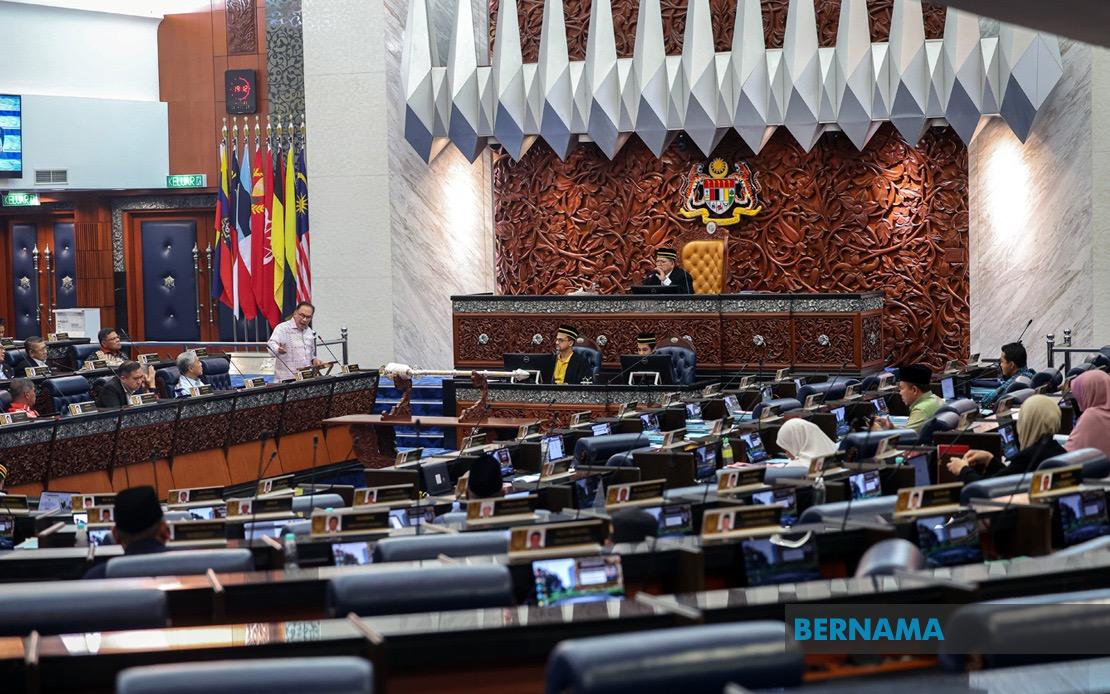
Lawmakers across Malaysia's political divide have united in demanding a more coordinated and comprehensive approach to addressing sexual crimes against children, signalling broad parliamentary support for tougher enforcement mechanisms and victim protection frameworks. During debate on the Sexual Offences Against Children (Amendment) Bill 2026 in the Dewan Rakyat on June 29, representatives from multiple parties articulated concerns about jurisdictional gaps, inadequate coordination between agencies, and insufficient support systems for survivors, laying bare the systemic weaknesses that continue to hamper the nation's fight against child exploitation.
The legislative amendment under consideration seeks to remove geographical constraints that currently limit Malaysia's ability to prosecute offenders who commit crimes against children outside the country's borders. This jurisdictional expansion reflects a growing recognition that child predators increasingly exploit differences in law enforcement capacity across national boundaries, leveraging weaker regulatory environments to evade accountability. Abd Ghani Ahmad from PN-Jerlun emphasised that Malaysia must activate bilateral legal mechanisms, particularly Mutual Legal Assistance agreements and extradition protocols, to ensure that perpetrators operating from foreign jurisdictions do not find safe harbour beyond the reach of Malaysian courts.
Coordination deficiencies emerged as a central theme throughout the parliamentary session, with multiple MPs stressing that fragmented agency responses undermine investigation quality and prosecution effectiveness. The current system requires information and evidence to move between the Royal Malaysia Police, Immigration Department, Attorney-General's Chambers, Department of Social Welfare, hospitals, and educational institutions, yet these entities often operate in isolation without standardized protocols for information-sharing or case management. Abd Ghani Ahmad specifically advocated for institutional restructuring that would enable these bodies to function as an integrated network, with particular emphasis on preserving digital evidence—a critical consideration given the prevalence of online grooming and cyber-enabled exploitation in contemporary child abuse cases.
Datuk Seri Doris Sophia Brodi from GPS-Sri Aman expanded on this proposal by recommending the establishment of a dedicated task force specializing in digital sexual crimes against children, designed to consolidate expertise and accelerate response times for cross-border investigations. She underscored that preventive education remains equally vital, urging the government to integrate digital safety curricula into schools and equip parents with knowledge to recognize grooming tactics and exploitation warning signs. This dual emphasis on intervention and prevention reflects a sophisticated understanding that enforcement alone cannot contain the problem; societal awareness and parental vigilance form essential components of any comprehensive child protection strategy.
The question of victim rehabilitation emerged as another crucial concern, with multiple MPs expressing dissatisfaction with current support infrastructure. Datuk Mas Ermieyati Samsudin from PN-Masjid Tanah proposed establishing a specialized prosecution unit dedicated exclusively to child sexual offences, coupled with increased investment in child psychology expertise within public healthcare facilities. She further advocated for a dedicated victim assistance fund to subsidize psychological treatment, legal representation costs, and long-term rehabilitation services—recognizing that survivors often face severe financial barriers to accessing the mental health support essential for recovery. This emphasis on holistic victim care acknowledges that trauma from sexual abuse extends far beyond the initial crime, requiring sustained psychological and social intervention.
The establishment of a National Child Sexual Offender Registry accessible to relevant institutions presented another key proposal, with Young Syefura Othman from PH-Bentong arguing that schools, daycare facilities, welfare homes, and religious institutions require access to conviction records to make informed employment and supervision decisions. She highlighted the critical gap in background screening mechanisms, noting that individuals with histories of child sexual abuse continue to gain employment in high-access environments where they encounter vulnerable young people. Mandatory background checks spanning all organizations serving children—from kindergartens and tahfiz centres to sports clubs and religious institutions—would establish a baseline safeguarding standard currently lacking across Malaysia's diverse institutional landscape.
The participation of 26 MPs in the debate session underscores the political salience of child protection issues, transcending the usual government-opposition divisions that characterize many parliamentary discussions. This consensus reflects genuine public concern about child safety, amplified by media coverage of high-profile cases and advocacy campaigns highlighting the inadequacy of existing protective frameworks. The broad support for legislative amendment suggests that the bill will advance without significant obstruction, though the real challenge lies in implementation—translating parliamentary rhetoric into functional institutional change.
For Malaysian civil society, the parliamentary discussion offers both encouragement and a call for vigilance. While legislative amendments strengthen the formal legal architecture, sustained pressure remains necessary to ensure that agencies allocate resources toward implementing new provisions, that specialized units receive adequate funding and staffing, and that victim assistance programmes extend beyond symbolic gestures to deliver meaningful support. International coordination mechanisms, while important, require political will and diplomatic engagement with neighboring countries to operationalize effectively, particularly in Southeast Asian contexts where transnational criminal networks exploit porous borders and regulatory differences.
The amendment specifically aims to prevent Malaysia from becoming a destination jurisdiction for child predators seeking to exploit less stringent enforcement environments. This framing resonates with regional concerns about human trafficking and child exploitation networks that operate across Southeast Asia, leveraging economic disparities and institutional weaknesses to facilitate criminal operations. By strengthening extraterritorial jurisdiction and international cooperation mechanisms, Malaysia positions itself as a less permissive environment for such crimes, potentially disrupting transnational exploitation networks that currently operate with relative impunity.
The debate also highlighted gaps in victim identification and reporting systems, with implications for enforcement efficacy. Many child sexual abuse cases remain unreported due to victim shame, family pressure, institutional cover-ups, or lack of awareness that certain behaviours constitute criminal offences. Creating institutional trust, ensuring confidentiality, and removing barriers to reporting require sustained investment in community education, survivor-centered policy approaches, and cultural shift within institutions serving children. The parliamentary discussion suggests emerging recognition of these challenges, though translating awareness into systematic change demands ongoing commitment from government and civil society.
Looking forward, the amendment's passage represents a necessary but insufficient step toward comprehensive child protection. Malaysia's implementation will require sustained funding, staff training, inter-agency coordination mechanisms, and regular evaluation of programme effectiveness. Regional countries observing Malaysia's approach may adapt successful elements within their own legal and institutional contexts, potentially creating a regional standard for child protection that strengthens collective capacity across Southeast Asia. The parliamentary consensus evident on June 29 must now translate into bureaucratic reality and resource allocation if child sexual abuse prevention is to move from rhetorical priority to lived practice.

