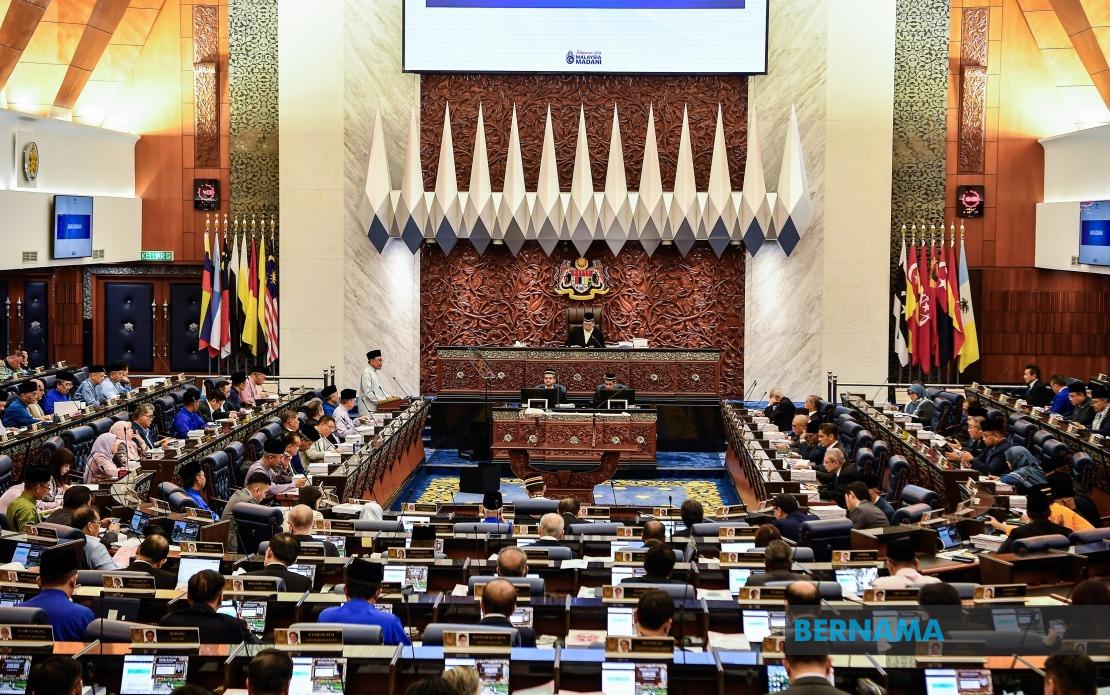
The Malaysian parliament has approved legislative amendments designed to modernise the regulatory framework governing the Malaysian Communications and Multimedia Commission, the federal body responsible for overseeing the nation's rapidly evolving communications sector. The Dewan Rakyat passed the Malaysian Communications and Multimedia Commission (Amendment) Bill 2026 on July 15 through a majority voice vote after members from both government and opposition sides debated the measure, signalling broad parliamentary support for updating governance standards that have largely remained unchanged since the MCMC's establishment.
Deputy Communications Minister Teo Nie Ching outlined the legislation's core objectives during closing remarks, emphasising that the amendments would position the MCMC to operate sustainably whilst maintaining appropriate oversight of Malaysia's communications and multimedia landscape. The Bill addresses several operational and governance dimensions that observers have long identified as requiring attention in light of technological changes and the sector's expansion. At its heart, the amendment package reflects a recognition that regulatory frameworks must evolve to match the pace of digital transformation affecting Malaysian businesses and consumers.
One significant element concerns how the government selects MCMC leadership. The revised legislation stipulates that the commission's chairman must remain independent of any legislative body, a requirement intended to insulate the regulator from political pressures that might compromise its decision-making. Teo emphasised that the appointment process continues to rest on merit-based criteria, including professional qualifications, demonstrated integrity, relevant experience, and capacity to provide strategic direction. The mechanism for ministerial appointment of commissioners has persisted since 1998 and remains in place under the amendments, though the new restrictions on legislative membership add another safeguard against conflicts of interest.
The Bill significantly elevates MCMC's financial authority over procurement decisions, raising the threshold for contract approvals from RM5 million to RM50 million. This tenfold increase acknowledges economic realities that have reshaped cost structures across the communications sector. Teo explained that the procurement limit had not been adjusted in over two decades, despite persistent inflation, technological advancement requiring more sophisticated infrastructure and systems, and steady increases in material and labour expenses. The increase aligns the MCMC with federal procurement guidelines established by the Finance Ministry, which permit fully internally-funded statutory bodies to approve transactions up to RM499 million. The government's decision to set the MCMC limit at RM50 million represents a measured approach that grants necessary operational flexibility whilst maintaining fiscal oversight.
Opposition voices during the parliamentary debate highlighted concerns about regulatory independence from political influence. Dr Halimah Ali, representing Kapar under the Perikatan Nasional bloc, advocated for more transparent appointment mechanisms for commissioners, calling on the government to adopt selection processes similar to those employed by the Human Rights Commission of Malaysia. Her proposal centred on establishing an open and competitive recruitment framework emphasising expertise, professional standing, and credibility rather than allowing appointment decisions to remain within ministerial discretion alone. Such mechanisms could strengthen public confidence in the regulator by demonstrating that leadership selections follow established, objective criteria rather than appearing potentially influenced by shifting political considerations.
Datuk Mas Ermieyati Samsudin, also from Perikatan Nasional, pressed for enhanced checks and balances governing several aspects of MCMC operations. She specifically highlighted the Universal Service Provision Fund, a mechanism designed to ensure telecommunications access reaches underserved populations across Malaysia. Her concerns focused on audit oversight, the transparency of ministerial directions issued to the commission, and the need for periodic parliamentary reporting on how the USP Fund is utilised. These calls reflect broader scrutiny of how statutory bodies manage public resources and exercise delegated regulatory authority. Enhanced transparency mechanisms could provide assurances that the MCMC operates according to public interest principles rather than opaque internal procedures.
Dr Richard Rapu, representing Betong under GPS, offered a more supportive assessment, characterising the amendments as foundational improvements for a regulator positioned to navigate the digital economy's complexities. His remarks recognised that beyond specific procedural changes, the legislative package signals a commitment to building institutional capacity and professionalism within the MCMC. As Malaysia continues digitalising its economy and society encounters growing demands for spectrum management, content regulation, and infrastructure standards, having a well-resourced and structurally sound regulator becomes increasingly important.
The amendments arrive at a consequential moment for Malaysian communications policy. The sector encompasses telecommunications operators managing 5G deployments, digital service providers navigating content obligations, and stakeholders requiring clarity on regulatory expectations. The MCMC's capacity to issue timely decisions, approve necessary infrastructure investments, and enforce standards affects investment confidence and competitive dynamics. By raising procurement thresholds, the amendments reduce bureaucratic friction that might otherwise slow deployment of network upgrades or technology solutions. Simultaneously, strengthened governance provisions seek to ensure such expanded authority operates within established ethical and accountability frameworks.
The procurement limit increase warrants particular attention for Malaysian technology companies and telecommunications providers. Contracts valued between RM5 million and RM50 million represent significant commercial opportunities in the sector. Previously, transactions above RM5 million required external approval processes, potentially delaying initiatives the MCMC deemed necessary for regulatory purposes or operational efficiency. The expanded threshold grants the commission faster decision-making capacity for moderate-scale procurements involving network monitoring systems, regulatory technology platforms, or consultation services. This flexibility could accelerate the MCMC's adoption of advanced tools for spectrum management, cybersecurity monitoring, and consumer protection—capabilities increasingly essential as digital services proliferate.
The Bill's passage demonstrates parliamentary consensus around modernising regulatory governance, even as some lawmakers pressed for additional safeguards. Opposition members' emphasis on transparency and competitive appointment processes reflects broader regional and international trends toward independent regulatory authorities insulated from political capture. Several Southeast Asian neighbours, including Singapore and Thailand, have experimented with different models for selecting telecommunications regulators, with varying results. Malaysia's approach of maintaining ministerial appointment authority whilst imposing legislative independence requirements represents a middle path, preserving executive prerogative whilst introducing constraints designed to prevent obvious conflicts of interest.
Looking forward, the amendments' success will depend significantly on implementation. Whilst statutory language can establish formal procedures, the regulator's effectiveness ultimately rests on individuals occupying leadership positions and the organisational culture they cultivate. Parliamentary observers, industry stakeholders, and civil society will likely scrutinise whether the MCMC applies its expanded procurement authority judiciously and whether appointment mechanisms produce commissioners with genuine expertise and commitment to public interest regulation. The amendments provide structural foundations, but realising their intended benefits requires complementary attention to recruitment, training, and accountability mechanisms.
The passage of the MCMC Amendment Bill 2026 reflects recognition that regulatory frameworks must evolve alongside technological and economic change. The specific increases in procurement authority and governance refinements address operational needs identified across the communications sector. However, as Dr Halimah Ali and Datuk Mas Ermieyati indicated, questions about how to strengthen independence whilst maintaining democratic accountability remain live issues deserving continued attention. The amendments represent incremental progress toward a regulatory regime better equipped for Malaysia's digital future, though implementing them effectively will require sustained commitment from government, the MCMC itself, and stakeholder communities.

