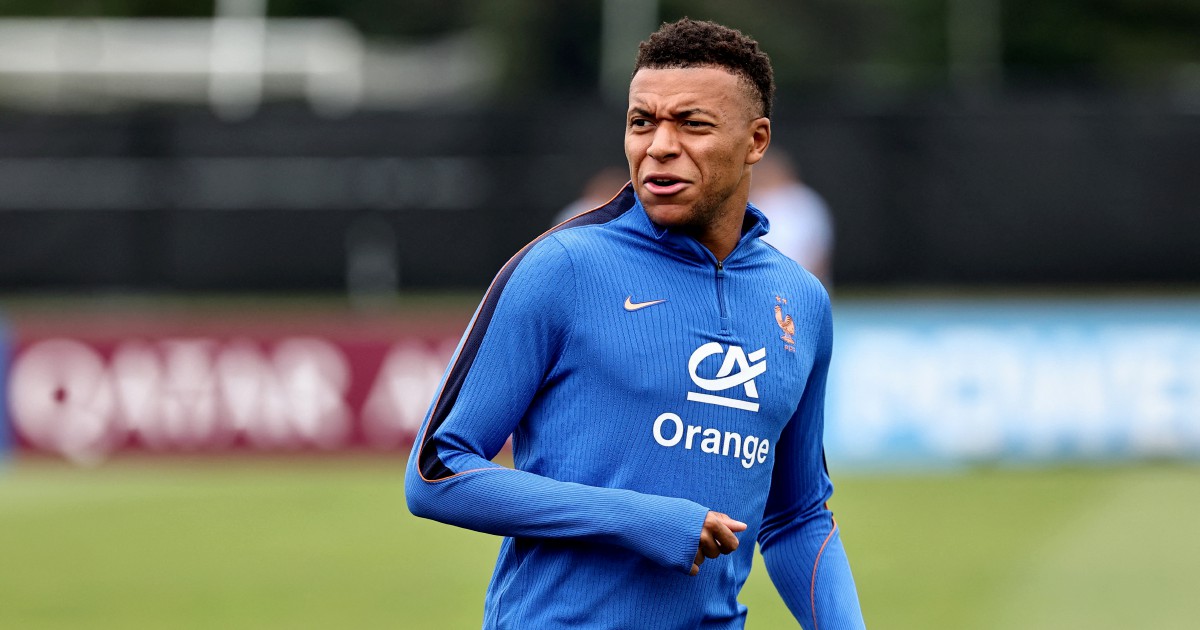
French prosecutors have taken the formal step of opening an inquiry following controversial statements made by a Paraguayan legislator targeting Kylian Mbappe, the commanding figure of France's national football side. The decision by Paris's public prosecutor's office on Tuesday marks an escalation in what appears to be a cross-border dispute involving political figures and the world's most prominent sport.
The investigation underscores the increasingly sensitive nature of public commentary around elite athletes, particularly those who command global influence. Mbappe's status as France's national team captain places him at the intersection of sporting excellence and national pride, making critical remarks from foreign officials potentially incendiary. The willingness of French prosecutors to formally intervene demonstrates how seriously authorities regard statements that may cross from legitimate criticism into territory that authorities deem problematic.
While the specific nature of the Paraguayan lawmaker's comments has not been detailed in the initial announcement, the decision to investigate suggests the remarks were sufficiently serious to warrant official action. Such interventions are uncommon in sports diplomacy, indicating that whatever was said transcended routine athletic disagreement. The fact that French legal authorities felt compelled to open a case reflects sensitivities around their national football icon and international relations protocols.
The incident carries broader implications for how countries interact through sports and public figures. When legislators from one nation make controversial statements about athletes from another, it can create diplomatic friction that extends beyond the sporting realm. Paraguay and France, while not typically involved in significant diplomatic disputes, now find themselves navigating this unexpected controversy involving one of world football's brightest talents.
Kylian Mbappe has long been accustomed to intense scrutiny given his extraordinary abilities and the expectations that come with leading France's national team. His club career has been equally high-profile, moving through France's domestic leagues before taking centre stage on the global stage. As a figure of national importance in France, comments about him from foreign officials can quickly become matters of international concern, particularly if authorities perceive them as inappropriate or offensive.
The investigation's scope remains unclear at this stage, with prosecutors not yet detailing what specific grounds or legal provisions might apply to the Paraguayan lawmaker's statements. France maintains various laws protecting individuals from harassment, defamation, and discriminatory speech, any of which could theoretically be engaged depending on the exact nature of the remarks. Understanding precisely what was said will be crucial to determining whether the investigation proceeds to formal charges or concludes without further action.
For Malaysian readers following international football and diplomatic developments, this incident illustrates how closely sports and politics intersect in the modern age. The treatment of athletes as representatives of their nations means that personal attacks on them can be interpreted as attacks on national pride. This tendency has grown stronger as social media amplifies individual statements and as sporting achievement becomes increasingly woven into national identity narratives across cultures.
The Paraguayan political establishment may now face pressure to clarify or retract the comments, particularly if diplomatic channels begin engaging on the matter. While Paraguay is geographically distant from France, both countries maintain international obligations and relationships that could theoretically be affected by unresolved tensions. The intervention by French prosecutors signals that this is no longer merely a matter of public debate but one with potential legal consequences.
This development also raises questions about the boundaries of legitimate political speech when addressing public figures. While criticism of athletes and their actions is entirely normal, remarks that cross into personal attacks or potentially defamatory territory occupy a legally grey zone that prosecutors must carefully evaluate. The investigation may ultimately clarify what constitutes acceptable political commentary about international sporting figures in the eyes of French law.
For football observers in Southeast Asia and beyond, the incident serves as a reminder that the sport's biggest names operate within complex webs of national symbolism, political significance, and international scrutiny. Mbappe's role as France's national team captain makes him not merely a sportsman but a representative of national interests, a status that attracts both admiration and, occasionally, controversy from unexpected quarters. How French authorities ultimately handle this investigation may influence how similar situations are managed internationally going forward.

