The French capital's most glamorous annual fashion spectacle this season played out beneath an oppressive climate, with Paris Couture Week unfolding as temperatures soared and a persistent heatwave settled over the city. For fashion's most prominent figures assembling at the shows, the challenge extended beyond selecting showstopping ensembles—it required navigating the uncomfortable contradiction between haute couture's traditional grandeur and the practical demands of extreme summer conditions. The result painted a revealing picture of how contemporary style adapts when environmental pressures force creativity, revealing that even at fashion's most exclusive venues, pragmatism and artistry need not remain mutually exclusive.
The heat had already tested fashion's resilience during the preceding menswear season in the city, establishing a pattern that would persist as the haute couture calendar commenced. Whereas previous editions might have celebrated heavy fabrics, intricate layering, and dramatic silhouettes regardless of seasonal comfort, this year's attendees demonstrated that luxury fashion could respond intelligently to climatic realities. The week essentially became an unplanned masterclass in warm-weather dressing for high-stakes formal events, with each appearance functioning as a case study in how established style conventions might evolve when thermal conditions demand evolution.
Actors like Tan Sri Michelle Yeoh exemplified the refined approach taken by many guests, arriving in elegant black designs that emphasised shoulders while maintaining sophisticated simplicity. This aesthetic choice reflected a broader trend visible throughout the front rows—the strategic embrace of exposed shoulders not merely as a design statement but as a genuine thermal necessity. Women's couture increasingly featured shoulder-baring configurations, creating an unintended uniformity born from practical thinking rather than coordinated aesthetic direction. The effect suggested that necessity, far from stifling fashion creativity, had instead prompted a collective recalibration of what constitutes elevated dressing during challenging conditions.
Sundress variations and their more sophisticated cousins emerged as particularly popular selections among attendees seeking breathability without sacrificing elegance. Priyanka Chopra's scalloped gown captured this spirit effectively—a piece that acknowledged summer's sensibilities whilst maintaining the structural integrity expected at couture presentations. These selections represented a middle ground between resort wear casualness and haute couture formality, suggesting that the week's most successful looks understood fashion not as an arena for uncompromising extremism but as a conversation between intention and circumstance. The prevalence of such pieces indicated a collective industry recognition that summer dressing at prestigious events need not default to impracticality.
The menswear arena witnessed its own strategic adjustments, with figures including Bad Bunny and Hudson Williams gravitating toward dramatically oversized suiting rendered in lighter palettes. These silhouettes abandoned the constraining tailoring traditionally synonymous with formal menswear, instead embracing proportions that permitted air circulation and movement. Equally significant was the visible frequency of shirtless presentations beneath suit jackets—a departure from conservative formality that represented a deliberate, fashion-forward response to thermal stress. The resulting aesthetic retained menswear's inherent sophistication whilst acknowledging that contemporary style could evolve beyond rigid conventions about layering and coverage.
Material selection proved another crucial consideration for guests navigating the intersection of luxury and comfort. Silk and silk variants dominated choices, offering a natural fabric option that delivered genuine cooling properties whilst maintaining the lustrous quality associated with fine tailoring. Lightweight textiles generally superseded heavier alternatives, with attendees recognising that fabric weight directly influenced both physical comfort and visual impact during photography and public appearances. The shift represented an understated but significant acknowledgment that luxury need not equate with thermal discomfort—a philosophical reposition with potential implications for how designers might approach seasonal collections going forward.
Hemline length emerged as another subtle but measurable adaptation, with many attendees selecting shorter proportions that permitted greater leg exposure and improved ventilation. This modification occasionally challenged traditional couture conventions that celebrated floor-length drama, yet the week's most acclaimed looks demonstrated that hemline elevation need not diminish formal impact. Shorter silhouettes, when executed with appropriate fabric and construction quality, communicated sophistication and contemporaneity rather than casual informality.
Songwriter Ejae's accessory choice—a simple black folding fan—represented perhaps the week's most explicitly pragmatic statement, transforming a cooling tool into an intentional styling element. This approach exemplified how sophisticated dressing during heat events might acknowledge practical necessity without sacrificing aesthetic consideration. The fan functioned simultaneously as functional object and fashion accent, suggesting that true style encompasses honest engagement with environmental reality rather than pretence about physical comfort.
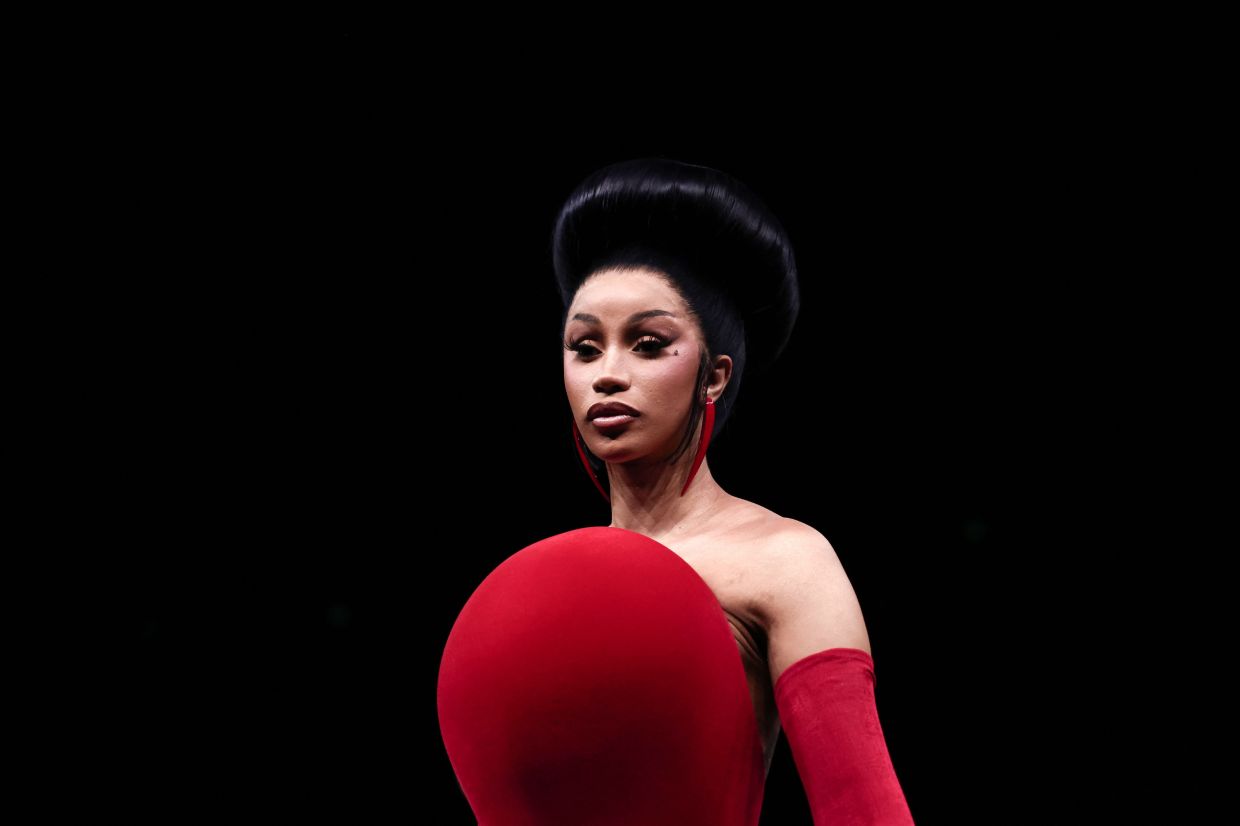
A notable exception to the week's prevailing ethos of comfort-conscious elegance came via rapper Cardi B, whose sculptural, exceptionally fitted silhouette prioritised avant-garde visual impact over thermal practicality. This choice deliberately departed from prevailing trends, asserting that fashion's cutting edge sometimes requires sacrificing comfort for artistic statement. Her look underscored an important distinction within high fashion: whilst most attendees negotiated climate and couture through pragmatic adaptation, certain figures viewed the heat as secondary to fashion's primary objective of visual spectacle and provocation.
The broader implications of this season's sartorial responses suggest that climate considerations may increasingly shape how luxury fashion evolves. As global temperatures fluctuate and extreme weather events become more frequent, the fashion industry may need to reconcile its traditional aesthetics with practical environmental realities. Paris Couture Week inadvertently demonstrated that such reconciliation need not diminish elegance or prestige—rather, it can prompt genuine creativity in how designers and wearers approach the fundamental challenge of dressing beautifully under difficult circumstances.

