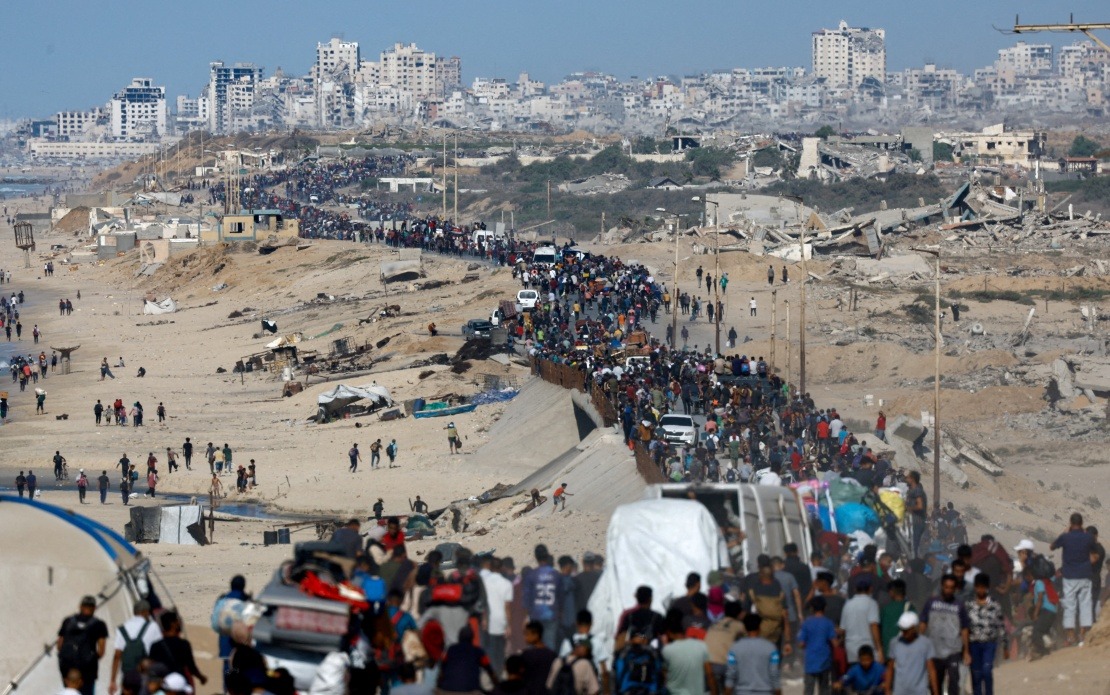
The Palestinian Foreign Ministry issued a formal rebuke on Wednesday against initiatives aimed at curtailing the United Nations Relief and Works Agency for Palestine Refugees in the Near East (UNRWA), underscoring the organisation's irreplaceable position in sustaining Palestinian populations. Officials characterised the agency as an essential humanitarian conduit that cannot be abandoned, particularly given the scale of suffering in Gaza following more than nine months of conflict that has claimed tens of thousands of lives.
UNRWA's operational footprint across the occupied Palestinian territories is extensive and multifaceted. Beyond emergency relief distributions, the agency administers educational institutions serving Palestinian children, operates primary healthcare facilities, manages social welfare programmes for vulnerable populations, and coordinates longer-term development initiatives. These services span East Jerusalem, the Gaza Strip, the West Bank, and refugee settlements across neighbouring nations, making it a comprehensive support structure that no single alternative institution could replicate without massive capital investment and logistical infrastructure.
The Palestinian position rests on established international law frameworks. UNRWA operates under a mandate derived from United Nations General Assembly Resolution 194, which recognised Palestinian refugee rights and their right of return—principles that remain contentious in Middle East diplomacy. The Foreign Ministry emphasised that the agency functions within these legal parameters and enjoys recognised status under international conventions governing humanitarian organisations, including protections for its personnel and facilities.
However, the ministry's statement carries deeper significance beyond institutional defence. Palestinian officials argue that dismantling UNRWA would represent a dangerous conflation of two distinct issues: addressing immediate humanitarian needs versus resolving the underlying political questions surrounding Palestinian statehood and refugee rights. In this framing, attempts to phase out the agency while leaving core disputes unresolved amount to removing a temporary band-aid while ignoring the wound beneath—a characterisation that resonates with how many developing nations view Northern attempts to restructure institutions in conflict zones.
The timing of this declaration reflects heightened tensions surrounding Gaza's post-conflict future. The Trump administration's newly established Board of Peace declared this week that UNRWA has no place in what it describes as a "new Gaza." The board characterised the agency as perpetuating dependency relationships and advocated for alternative governance models that would supposedly enable greater self-sufficiency. This rhetorical framing—emphasising empowerment and breaking cycles of aid reliance—carries superficial appeal but obscures the practical reality that Gaza's devastated infrastructure and demographic composition make conventional humanitarian operations essential for survival.
Understanding the board's position requires context about Trump's broader Gaza strategy. The initiative formed part of phase two of a comprehensive 20-point settlement proposal backed by a November United Nations Security Council resolution. The first substantive board meeting occurred in February at the US Institute of Peace in Washington, indicating serious institutional commitment to implementing this alternative vision. For Malaysia and other Southeast Asian states observing these developments, the question becomes whether international humanitarian standards can be maintained when powerful states pursue geopolitical objectives that diverge from established UN frameworks.
The human toll underlying these institutional debates cannot be minimised. According to Palestinian health authorities, the October 2023 conflict that triggered the current humanitarian emergency has resulted in over 73,000 Palestinian deaths and more than 173,000 injuries, with women and children comprising the majority of casualties. These figures, while contested by some international observers, establish that Gaza faces catastrophic population losses requiring sustained humanitarian intervention across multiple sectors simultaneously.
Palestinian officials also rejected what they characterised as terminology designed to fragment Palestinian territorial and political identity. By referring to Gaza separately from the broader Palestinian project, the ministry suggested, external actors were implicitly endorsing fragmentation that contradicted Palestinian nationalist aspirations for unified statehood. This argument reflects longstanding Palestinian concerns that external powers might impose solutions involving separated enclaves rather than coherent territorial entities—a concern with historical precedent in Middle East diplomacy.
For UNRWA operations specifically, institutional continuity faces practical challenges beyond political positioning. The agency depends on voluntary contributions from donor nations, and several countries have threatened or reduced funding based on various allegations. This financial vulnerability creates pressure points where diplomatic disputes translate directly into reduced service capacity. A phaseout would require either massive increases in Israeli state provision, establishment of parallel international agencies, or acceptance that critical services would deteriorate—scenarios that humanitarian organisations across the region view with alarm.
The Palestinian Foreign Ministry's call for international solidarity on this question signals the issue's broader dimensions. By appealing to "all states, institutions and international organisations" to respect UNRWA's mandate and protections, Palestinian authorities attempted to mobilise diplomatic support beyond immediate parties. For countries like Malaysia with significant diaspora communities and humanitarian commitments, such appeals highlight tensions between supporting established UN structures and accommodating powerful states pursuing alternative frameworks.
The underlying dispute ultimately concerns whether humanitarian institutions can remain politically neutral operators or inevitably become instruments of state policy in conflict situations. UNRWA's critics view it as perpetuating temporary solutions that delay political resolution, while its defenders argue that withdrawing aid before political settlements emerge abandons vulnerable populations to suffer the consequences of diplomatic failures. This fundamental disagreement will likely intensify as Gaza's reconstruction phase approaches and international actors debate institutional architecture for the territory's governance and development.

