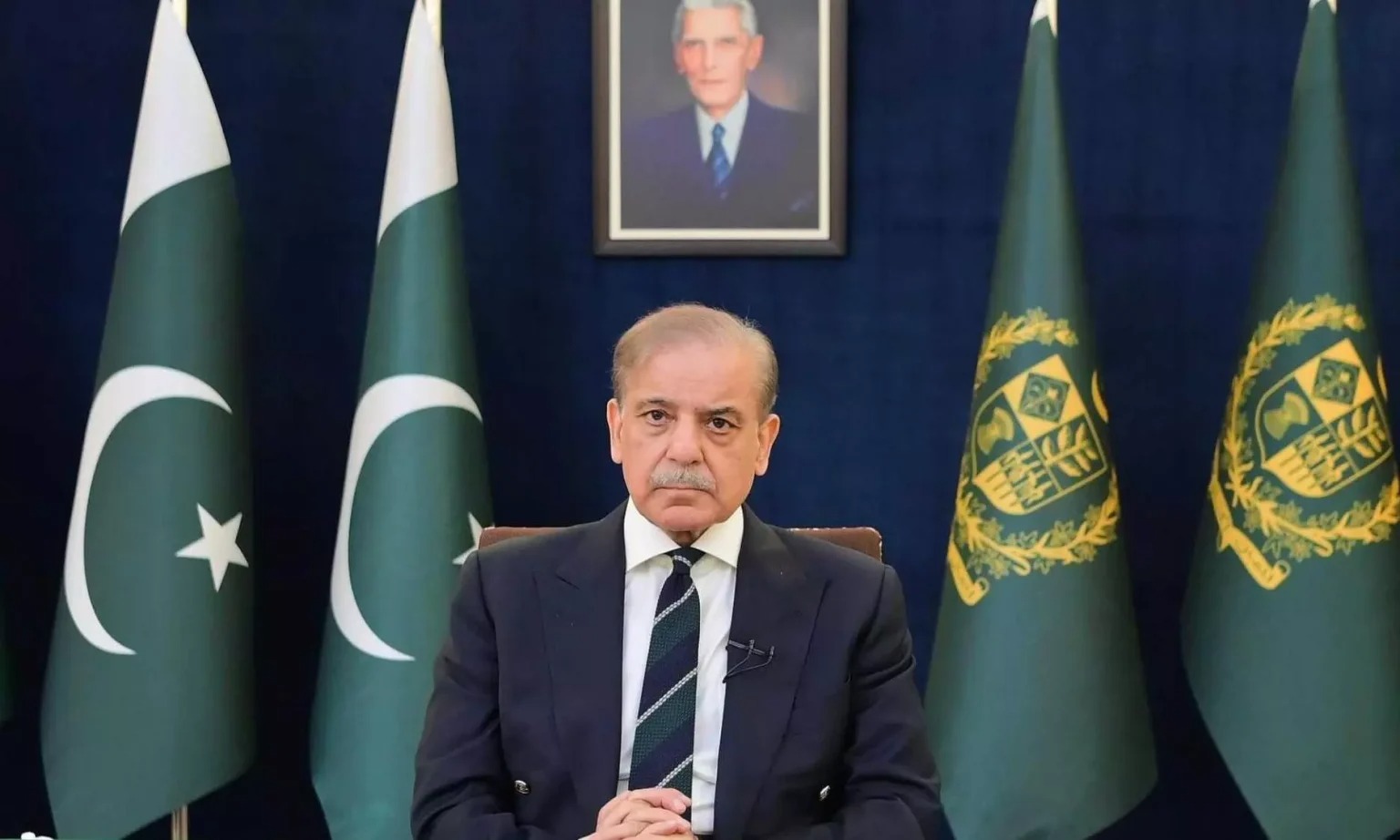
Pakistan's Prime Minister Shehbaz Sharif will attend the funeral ceremony of Iran's Supreme Leader Ayatollah Ali Khamenei in Tehran on July 4, underscoring the continued diplomatic ties between Islamabad and the Islamic Republic at a critical juncture for both nations and the broader region. The decision to send the country's premier, rather than a delegated official, reflects the significance Pakistan places on the relationship with its western neighbour and serves as a symbolic gesture of solidarity during Iran's period of transition and mourning.
The Pakistani Foreign Ministry formally announced the trip through spokesman Tahir Andrabi during a media briefing in Islamabad on Thursday. According to the statement, Sharif will express condolences on behalf of both the Pakistani people and government to Iran's leadership and the families of the deceased supreme leader. This diplomatic protocol, while routine in nature, carries weight given the geopolitical complexities facing both nations, particularly regarding security challenges along their shared border and their respective roles in regional power dynamics.
Shahbaz Sharif's attendance at the funeral comes at a time when Pakistan navigates complex foreign policy challenges spanning its relationship with the United States, China, and Middle Eastern powers. The trip demonstrates Islamabad's commitment to maintaining balanced relations across multiple strategic partners, a delicate equilibrium that has defined Pakistani diplomacy for decades. The presence of the prime minister himself, rather than a lower-ranking representative, signals respect for Iran's historical importance to Pakistan's regional calculus and acknowledges the need to nurture bilateral ties regardless of internal political transitions elsewhere.
The prime minister will be accompanied by a substantial delegation, including Deputy Prime Minister and Foreign Minister Ishaq Dar alongside other members of the cabinet. This high-level representation suggests that discussions between Pakistani and Iranian officials may extend beyond mere ceremonial acknowledgment of Khamenei's death. The composition of the delegation indicates Pakistan's intention to engage substantively with Iran's interim leadership during this period of uncertainty, potentially addressing shared concerns ranging from border security to counterterrorism cooperation and trade relationships.
Following his participation in the funeral, Sharif has accepted an invitation from Turkish President Recep Tayyip Erdogan to visit Ankara. This two-leg diplomatic mission, scheduled for July 3-5, reflects the interconnected nature of South and West Asian geopolitics, where Pakistan, Turkey, and Iran each maintain pivotal roles in regional architecture. The scheduled discussions in Turkey will focus on bilateral matters and broader regional issues, likely encompassing topics such as Afghanistan's stability, Chinese interests in Central Asia through the Belt and Road Initiative, and evolving Middle Eastern alignments.
The decision to conduct these talks in Turkey immediately following the Iranian funeral ceremony suggests careful coordination of Pakistan's diplomatic calendar. Turkey, as a NATO member with significant influence in the Middle East and Central Asia, serves as an important interlocutor for Pakistani interests. The sequential nature of these visits allows Sharif to assess the direction of Iran's leadership transition and convey Pakistani perspectives to Turkish decision-makers in real time, potentially enhancing the effectiveness of subsequent bilateral discussions.
Meanwhile, India will field a more modest representation at the funeral, with Bihar state governor Syed Ata Hasnain and deputy foreign minister Pabitra Margherita attending on behalf of New Delhi. The contrast between Pakistan sending its prime minister and India sending a state governor and mid-level foreign ministry official reflects the different strategic calculations and bilateral relationships each South Asian power maintains with Iran. Historically, India has cultivated strong ties with Iran, particularly regarding energy security and regional stability, but the composition of New Delhi's delegation suggests a more cautious diplomatic approach during this transition period.
For Malaysia and other Southeast Asian nations monitoring developments in South and West Asia, Pakistan's high-level diplomatic engagement with Iran carries implications for regional stability and the broader contest for influence across the Indian Ocean littoral. Pakistan's balancing act between maintaining relationships with the United States, China, Saudi Arabia, and Iran reflects the multipolar international environment that shapes opportunities and constraints for all mid-sized powers in the region. The funeral attendance and subsequent Turkey visit underscore how geopolitical pivots in one region reverberate across interconnected zones of strategic competition.
The broader context of Ayatollah Khamenei's death and the subsequent funeral ceremonies extends beyond ceremonial importance, as Iran navigates questions of succession, policy continuity, and its strategic posture amid international tensions. Pakistan's decision to send Shehbaz Sharif demonstrates that despite Pakistan's own internal economic and security challenges, maintaining robust diplomatic engagement with key neighbours remains a priority for Islamabad. This approach reflects the understanding that regional stability depends on continuous dialogue and the preservation of channels of communication, even when bilateral relations experience periodic strains or when broader geopolitical tensions intensify.

