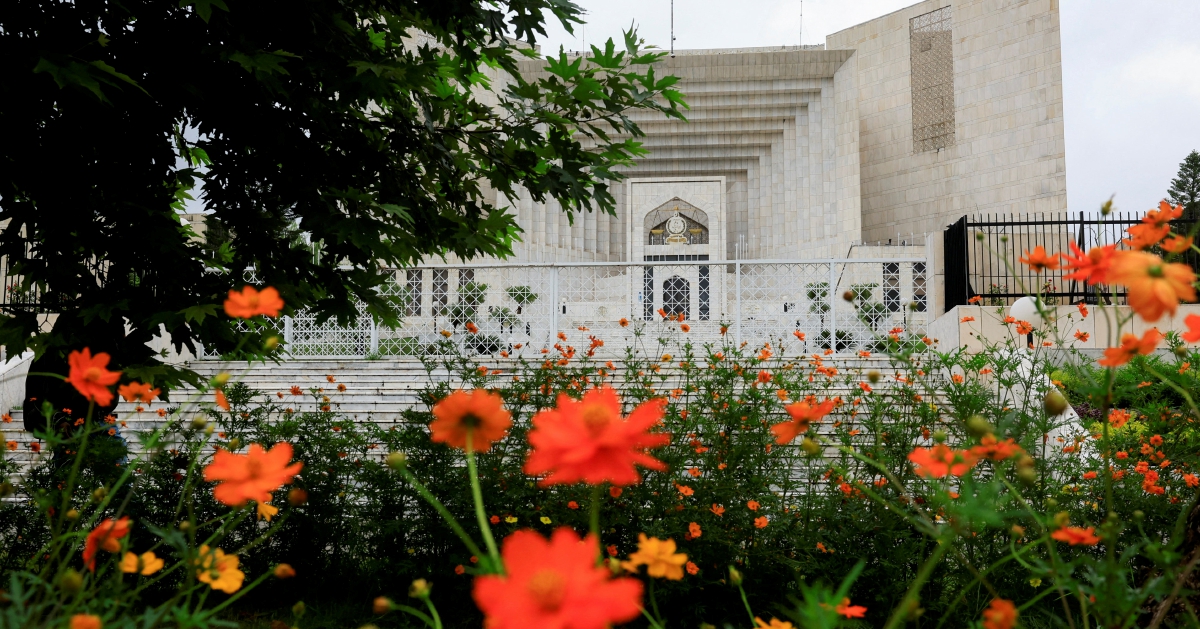
Imran Khan, the influential former prime minister who retains considerable support across Pakistan's political landscape, was transported to a medical facility for diagnostic testing following an explicit order from the country's highest judicial authority. The decision emerged early Friday, with Khan's political organisation announcing the development and underscoring the extraordinary circumstances surrounding his ongoing detention.
The Supreme Court's intervention demonstrates the complexity of Khan's legal situation, which has evolved significantly since his removal from office. The order for medical evaluation suggests concerns about his health status while in custody—a factor that has become increasingly central to his case and his party's public narrative. Pakistan's judicial system, often navigating contentious political terrain, appears willing to use its powers to ensure basic safeguards for high-profile detainees.
Khan's popularity presents a distinct challenge for Pakistan's governance structures. Despite facing multiple criminal charges and extended imprisonment, he maintains substantial grassroots support, particularly among younger voters and urban populations who view him as a reformist alternative to established political dynasties. This popularity has transformed his legal proceedings into more than routine criminal matters, with each court decision attracting intense scrutiny from his supporters and critics alike.
The circumstances leading to Khan's hospitalisation reflect broader tensions within Pakistan's criminal justice system. Detainee health concerns have periodically surfaced in high-profile cases, with family members and legal representatives frequently raising questions about conditions within detention facilities. The Supreme Court's proactive approach in ordering medical examination signals judicial recognition of these issues, even as questions persist regarding detention standards more broadly.
Khan's detention itself represents a significant moment in Pakistan's contemporary political history. His trajectory from celebrated cricket hero to government minister to opposition leader has placed him at the centre of the nation's most contentious political debates. The charges against him span financial crimes to security violations, though supporters contend that prosecutions are politically motivated, reflecting historical patterns of legal systems being deployed as instruments against opposition figures in Pakistan.
The role of Pakistan's military establishment in shaping political outcomes has long been a defining characteristic of the nation's governance landscape. Khan's relationship with these institutions has evolved considerably, transforming from apparent alignment to open confrontation. His current legal predicament must be understood within this broader context of institutional power dynamics that continue to define Pakistani politics.
International observers have monitored Khan's case closely, with human rights organisations raising concerns about due process and detention conditions. The Supreme Court's medical examination order may partially address these external criticisms while simultaneously managing the political dimensions of holding a nationally prominent figure in custody. Pakistan's judicial system faces the dual challenge of upholding the rule of law whilst navigating intense political pressure.
The timing of the hospitalisation order carries significance for Pakistani political dynamics. With national elections approaching and broader questions about the legitimacy of governance arrangements, Khan's status remains a focal point for public discourse. His party, Pakistan Tehreek-e-Insaf (PTI), has mobilised supporters around his detention, viewing it as emblematic of systemic injustice within Pakistani institutions. The Supreme Court intervention might be perceived as either ensuring fair treatment or managing political optics, depending on one's interpretation of judicial independence in the current environment.
For Malaysian and Southeast Asian observers, Khan's situation offers instructive parallels regarding the intersection of law and politics in developing democracies. The instrumentalisation of legal systems for political purposes represents a persistent challenge across the region, with several nations experiencing similar dynamics between detainee rights, judicial independence, and political stability. Understanding Pakistan's approach to high-profile cases provides useful context for evaluating governance trajectories throughout South and Southeast Asia.
The medical examination itself remains significant regardless of its eventual findings. Whether it reveals health complications or confirms adequate physical condition, the precedent of judicial intervention in detention matters affects how Pakistani courts may approach similar cases involving other high-profile political figures. This development potentially establishes frameworks for balancing security concerns with humanitarian considerations in future prosecutions.
Khan's continued detention amid ongoing legal proceedings reflects Pakistan's struggle to reconcile democratic aspirations with institutional legacies rooted in military governance and bureaucratic authoritarianism. The Supreme Court's willingness to intervene suggests recognition that political cases demand careful judicial management, even as questions persist regarding the fundamental independence of Pakistan's legal system from external pressures.
As Khan awaits further court proceedings, his case will likely continue generating domestic political reverberations and international commentary. The medical examination ordered by Pakistan's highest court represents both a humanitarian gesture and a strategic decision point within Pakistan's complex political economy. The outcome may significantly influence not only Khan's personal circumstances but also broader questions about the treatment of opposition figures and the trajectory of Pakistani democracy more generally.

