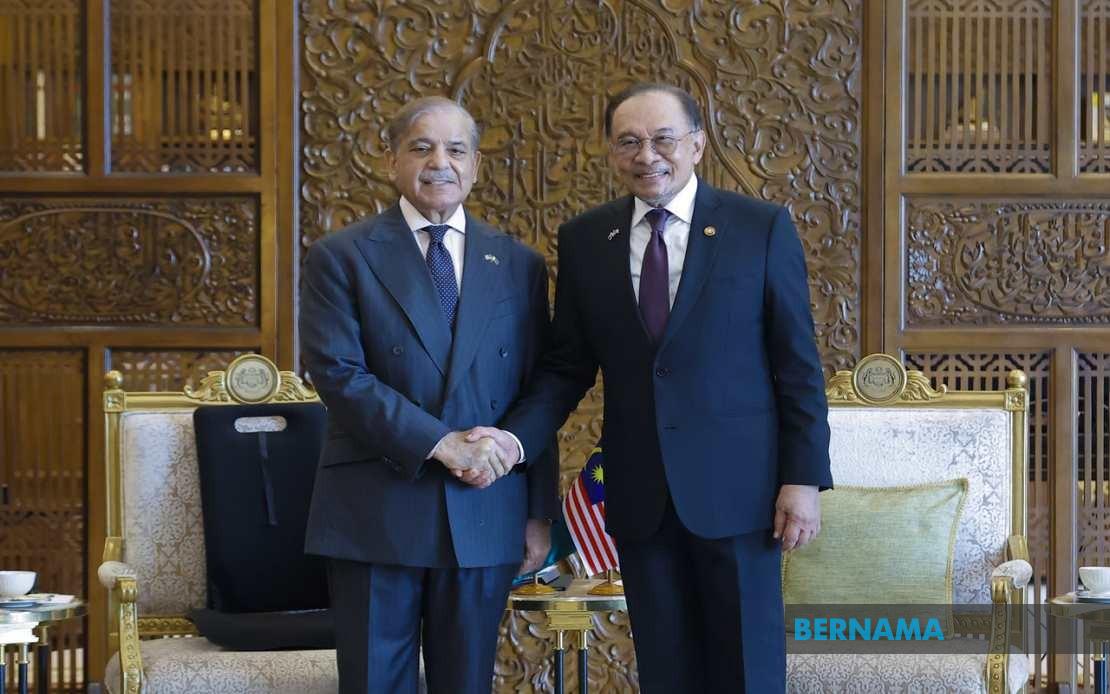
Pakistani Prime Minister Shehbaz Sharif has extended his warm wishes to Malaysia's leadership as Prime Minister Datuk Seri Anwar Ibrahim undergoes medical procedures at a medical facility in Kuala Lumpur. In a message conveyed through social media on Monday, Sharif expressed hopes for a smooth and rapid recovery for his Malaysian counterpart, reflecting the diplomatic ties between the two nations and the personal relationship between the two leaders.
The Pakistani premier's gesture demonstrates the close bonds maintained between Southeast Asian and South Asian political leadership. Sharif specifically invoked religious sentiment in his message, calling upon Allah's blessings for Anwar's speedy return to his official duties, language that resonates across both countries with significant Muslim populations. His statement framed the matter not merely as a health issue but as one of concern to the broader Pakistani nation, noting that the people of Pakistan joined him in prayer for Anwar's wellbeing.
According to an official statement from Anwar's office, the Prime Minister is undergoing a comprehensive set of medical examinations and procedures that have been carefully prescribed by a team of medical specialists. This planned approach suggests routine health assessments rather than emergency intervention, a distinction that has implications for government continuity and the stability of Malaysia's political leadership during the scheduled period. The deliberate scheduling of such medical work indicates advance planning to minimise disruption to the administration.
Anwar's Senior Press Secretary Tunku Nashrul Abaidah provided details to the media about the nature of the medical intervention, emphasising that all procedures had been prescribed by qualified medical professionals following a comprehensive assessment. The official characterisation of the situation has been measured and informative, designed to reassure both domestic and international observers about the status of Malaysia's chief executive. The transparency in releasing information about the medical procedures contrasts with historical practices in some jurisdictions where such matters remained opaque.
The Malaysian Prime Minister is expected to remain under medical observation for a two-day period following the procedures. This timeframe is standard practice in modern healthcare systems when multiple diagnostic or therapeutic interventions are undertaken, allowing medical teams to monitor recovery patterns and ensure no complications arise during the immediate post-procedure phase. The predetermined observation window suggests that medical authorities anticipate an uncomplicated recovery process.
The significance of Sharif's message extends beyond mere courtesy. Pakistan and Malaysia maintain multifaceted relations encompassing trade, defence cooperation, and religious and cultural exchanges. As heads of government, Sharif and Anwar represent the leadership dimensions of these bilateral ties. The public nature of Sharif's well-wishes through social media platforms demonstrates how modern political communication operates at the intersection of personal courtesy and public diplomacy.
For Malaysia's governance structure, the temporary medical absence of the Prime Minister is managed within constitutional and administrative frameworks that ensure continuity of state functions. While Anwar undergoes his procedures and observation period, Malaysia's administrative machinery continues to operate through established protocols that delegate responsibilities to other senior government figures. This institutional resilience is a hallmark of modern parliamentary democracies in the region.
The timing of such medical procedures, scheduled during the standard working week rather than during parliamentary sessions or major policy announcements, suggests careful coordination between the Prime Minister's office, medical professionals, and government administrators. This planning approach minimises potential disruption to critical state business while ensuring that Anwar receives necessary medical attention. The coordination reflects the professional standards now expected of high-level government offices throughout Southeast Asia.
From a regional perspective, Anwar's medical procedures and the international responses they have generated illustrate how leadership health matters resonate across borders. The Pakistani Prime Minister's public expression of concern underscores mutual respect within the community of South and Southeast Asian leaders. Such exchanges of goodwill, while seemingly ceremonial, serve important functions in maintaining diplomatic warmth and demonstrating to respective populations that their leaders maintain genuine concern for their counterparts' wellbeing.

