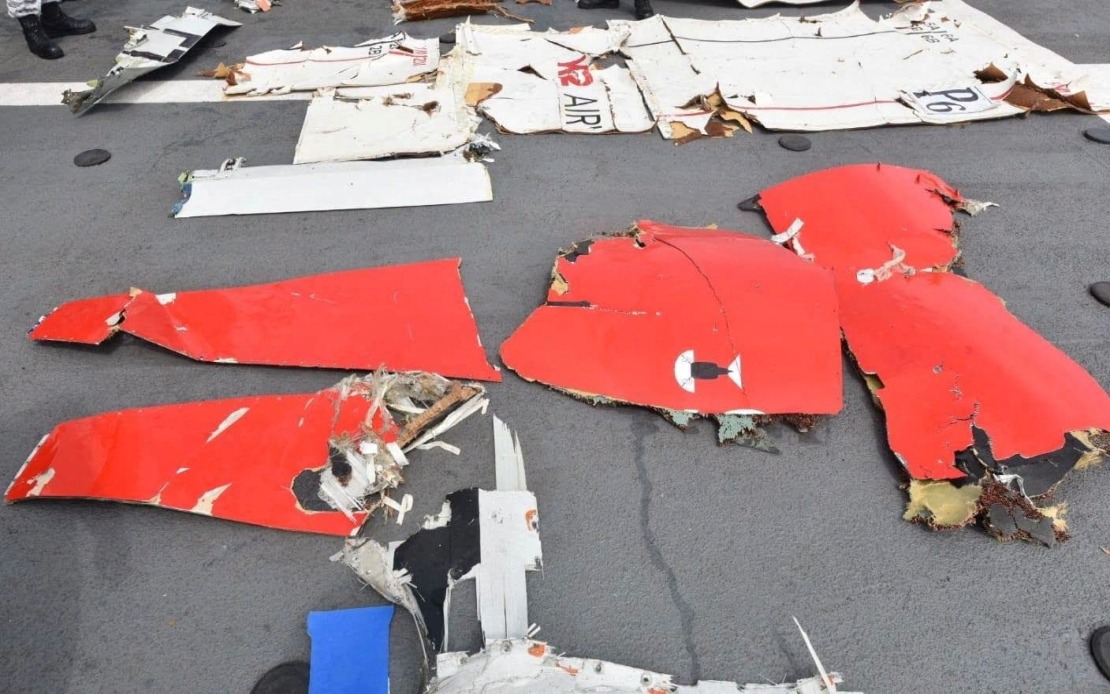
A Pakistani cargo aircraft has been lost over the Arabian Sea with its five-member crew unaccounted for, authorities confirmed Thursday. Naval units discovered fragments of the Boeing 737 operated by K2 Airways off the coast near Amara, west of Karachi, following a 12-hour search operation coordinated by Pakistan's airport authority. The discovery comes two days after contact with the plane was severed late Tuesday evening, leaving the fate of its personnel uncertain amid challenging maritime conditions.
The aircraft was en route from Sharjah in the United Arab Emirates to Karachi when it encountered difficulties. According to the airport authority, the crew reported navigation problems before the plane rapidly descended and disappeared from air traffic control radar. The sudden loss of altitude and subsequent vanishing suggest the aircraft experienced a serious technical or operational emergency during its final moments. The specific nature of the navigation issues remains unclear as investigators begin their examination of the recovered wreckage.
Weather conditions have substantially complicated rescue and recovery efforts. The Pakistani airport authority indicated that rough seas triggered by the onset of the monsoon season are hampering the search operation, limiting visibility and making it hazardous for naval teams to locate additional debris or any sign of the crew members. Monsoon conditions in the Arabian Sea during this period typically bring heavy seas and poor visibility, creating significant obstacles for maritime search missions. These environmental factors suggest that locating survivors or recovering remains will prove extremely challenging in the coming days.
K2 Airways, the private Pakistani airline operating the aircraft, has publicly identified the five crew members as consisting of two pilots, two engineers, and a loadmaster. The airline issued a statement expressing full cooperation with the Pakistan Civil Aviation Authority and other government agencies investigating the incident. K2 Airways, which commenced operations in 2018, emphasised its commitment to supporting families of the missing personnel and requested prayers for their safety. The company's statement underscores the gravity of the situation for those involved in Pakistan's aviation sector.
The aircraft itself had a lengthy operational history. The Boeing 737 entered service in 1999 as a passenger aircraft before being converted for cargo operations in subsequent years. The conversion to freight transport is a common practice in the aviation industry, allowing ageing passenger planes to extend their commercial lifespan by serving cargo markets. The aircraft's age and conversion status may become significant factors in investigators' examination of what precipitated the disaster.
Prime Minister Shehbaz Sharif acknowledged the tragedy on Wednesday, expressing sorrow over the accident and extending condolences to the families affected. The statement from Pakistan's leadership reflects the national concern surrounding the incident and demonstrates official recognition of the human cost involved. Such high-level acknowledgment typically signals that comprehensive investigations will follow standard international protocols for aviation accidents.
The disappearance of the K2 Airways flight underscores persistent challenges facing Pakistan's aviation sector, which has experienced multiple tragic incidents over recent decades. While Pakistan's airlines operate extensive international routes, safety concerns and technical incidents continue to draw scrutiny from international aviation organisations. The loss of this cargo aircraft will likely prompt renewed examination of maintenance standards, crew training protocols, and operational procedures across Pakistani carriers.
For the broader Southeast Asian region, the incident serves as a reminder of the inherent risks associated with maritime aviation and cargo operations across the Indian Ocean. Pakistan and neighbouring countries in South Asia rely heavily on air routes for trade and commerce, making aviation safety a matter of regional economic and security importance. The investigation findings may influence operational standards and safety protocols adopted by regional carriers servicing similar routes.
The recovery of wreckage marks a critical phase in the investigation process. Salvage teams will now work to recover additional debris that may contain crucial information about the aircraft's final moments, including flight data recorders, communications records, and structural components that could reveal mechanical failures. The monsoon conditions will continue to pose challenges for this recovery phase, potentially delaying the collection of evidence necessary for a comprehensive accident investigation.
For families of the missing crew members, the discovery of wreckage provides some answers but offers little reassurance regarding the fate of their loved ones. The absence of any trace of the personnel after two days suggests a catastrophic incident that likely resulted in fatalities, though authorities have not made definitive statements pending completion of the search and investigation. International aviation accident investigation procedures will guide Pakistan's Civil Aviation Authority and partnering agencies through the coming weeks and months as they work to determine what caused this maritime disaster.

