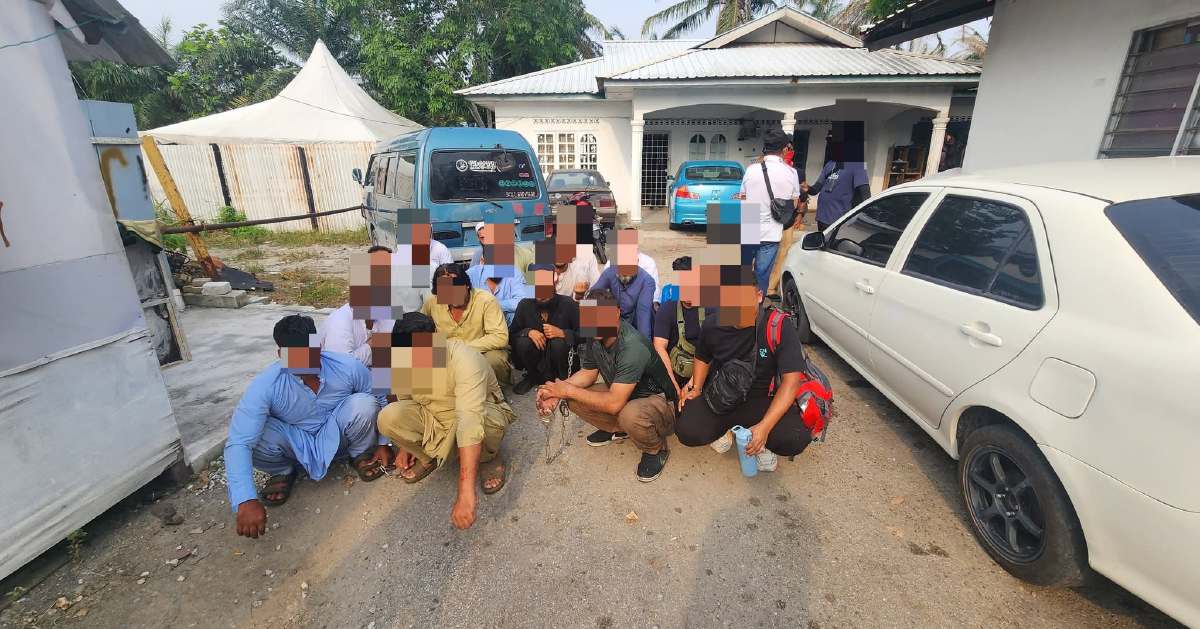
The Immigration Department has dealt a significant blow to organized crime in Selangor's industrial heartland, dismantling what investigators describe as a sophisticated vehicle parts trafficking operation centred in Klang. A single coordinated raid on Jalan Kapar yesterday resulted in the arrest of 20 individuals suspected of involvement in a large-scale dismantling and resale scheme. The operation appears to have been orchestrated by foreign nationals, with a Pakistani national identified as the likely mastermind coordinating the criminal enterprise across the region.
The bust represents a notable success for Malaysian authorities in combating organized vehicle-related crime, which has emerged as a persistent problem in the Klang Valley industrial zone. The area, with its dense concentration of manufacturing facilities, workshops, and logistics hubs, has become an attractive base for criminal syndicates seeking to operate with relative anonymity. The scale of the operation—involving two dozen individuals in a single location—suggests the group had achieved substantial operational capacity before being disrupted.
The syndicate's modus operandi involved systematically stripping vehicles for high-value components, which were subsequently distributed through commercial channels. Vehicle parts theft rings typically target catalytic converters, engines, gearboxes, and electronic control systems, which possess considerable resale value both domestically and in neighboring countries. The financial incentives driving such operations are substantial; organized groups can earn significant returns with minimal capital investment, making the business model particularly attractive to criminal enterprises operating across Southeast Asia.
The involvement of foreign nationals, particularly those from Pakistan, reflects broader patterns in regional organized crime. Pakistani nationals have been identified in various smuggling and trafficking operations across Malaysia in recent years, often playing coordinating or management roles in transnational criminal networks. Their participation suggests the Klang operation may have had connections extending beyond Malaysia's borders, potentially linking to broader supply chains servicing demand in South Asia or the Middle East.
For Malaysian manufacturers and logistics operators, the implications are significant. Vehicle parts theft and organized smuggling directly impact legitimate supply chains, increase operational security costs, and create liability concerns for companies whose vehicles or premises may be targeted. The clustering of such criminal activity in Klang—a major industrial and commercial hub—represents both an immediate security challenge and a potential drag on the region's reputation as a dependable manufacturing and trading centre. Businesses in the area may face increased insurance premiums and security expenditures as a result of organized crime activity.
The raid itself required coordination between immigration authorities and likely other enforcement agencies, indicating the seriousness with which officials treat the matter. Immigration involvement suggests the investigation may have identified documentation fraud, undocumented workers, or visa violations within the syndicate structure—common facilitating factors in transnational criminal operations. Such administrative irregularities often provide practical entry points for law enforcement to pursue prosecutions when traditional evidence gathering proves challenging.
The geographical focus on Jalan Kapar is telling. The area has become known to enforcement agencies as a concentration point for light industrial workshops and informal mechanical operations, many of which lack transparent ownership structures or operate with minimal regulatory oversight. This creates both opportunity and cover for illicit activities. Legitimate businesses operating in the vicinity may face reputational damage by association, as customers and partners become aware of significant criminal activity in the area.
The arrest of 20 individuals suggests the operation achieved notable scale before detection. Law enforcement agencies estimate that vehicle parts syndicates often require supporting networks of spotters, mechanics, drivers, warehouse staff, and dealers to function effectively. The numbers arrested indicate the group had constructed such an infrastructure, pointing to extended operational duration and substantial proceeds diverted to criminal hands.
For regional security cooperation, the case underscores the transnational character of organized crime affecting Malaysia and neighboring countries. Pakistani nationals' involvement hints at connections potentially extending to Sri Lanka, Thailand, and beyond. Enhanced information-sharing and coordinated enforcement responses among Southeast Asian nations could help disrupt similar operations before they achieve the maturity demonstrated by the Klang syndicate.
The Immigration Department's success in this particular operation should provide some reassurance to legitimate business operators in Klang. However, the underlying conditions that enabled this syndicate to flourish—inadequate regulatory oversight of informal workshops, porous supply chains, and border vulnerabilities—likely remain present. Sustained pressure on such operations will require continued enforcement vigilance combined with stricter regulatory frameworks governing vehicle dismantling, parts trading, and workshop documentation standards throughout the region.
Proceedings against the arrested individuals will likely involve coordination between immigration, police, and customs authorities, with potential charges ranging from trafficking offences to document fraud and commercial crime. The outcome of the prosecutions may influence how effectively similar investigations are pursued in future. The case also highlights the importance of public-private cooperation; businesses reporting suspicious activity at neighboring workshops can provide valuable intelligence supporting enforcement efforts and disrupting criminal supply chains before significant harm occurs.
Beyond immediate law enforcement success, the operation demonstrates that organized vehicle-related crime remains a priority concern for Malaysian authorities. The Klang bust will likely prompt increased scrutiny of similar operations elsewhere in the Klang Valley and beyond, potentially preventing additional syndicates from achieving comparable operational scale. Whether these arrests meaningfully diminish the broader market demand for stolen vehicle parts, however, remains to be seen.

