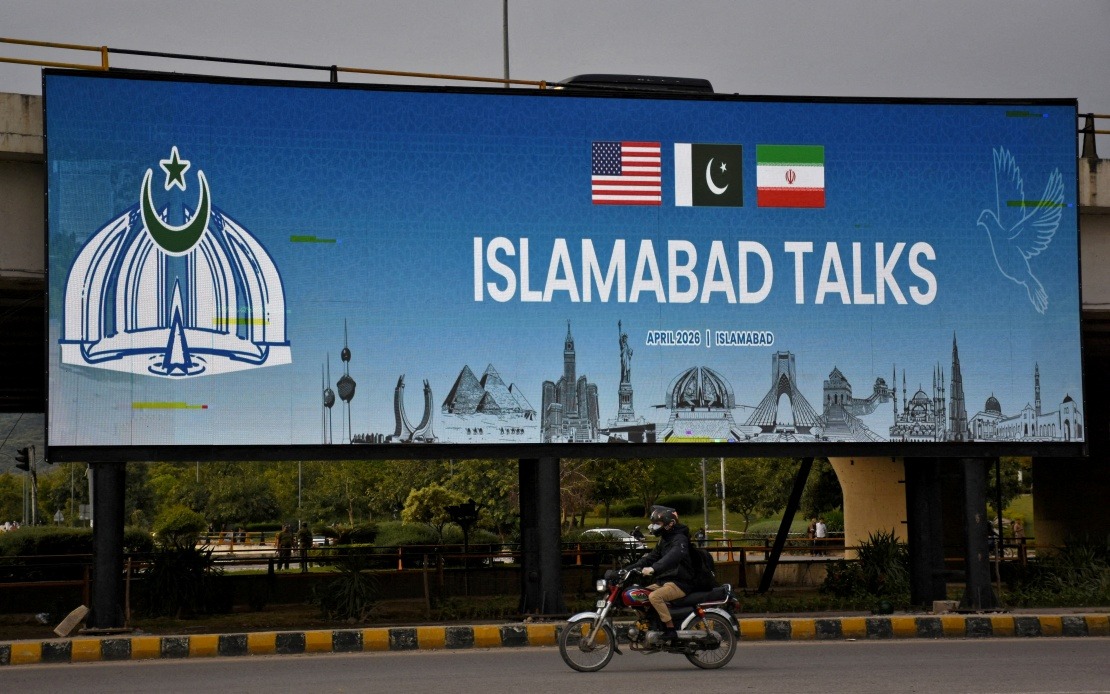
Pakistan is set to become the venue for the next critical round of negotiations between the United States and Iran on July 11, according to reports from regional media outlets. The resumption of talks represents a continuation of diplomatic efforts aimed at resolving longstanding tensions between the two countries, with discussions expected to address multiple contentious issues including international sanctions, Iran's blocked overseas assets, and the country's nuclear programme.
The diplomatic initiative builds upon a recent memorandum of understanding signed remotely between Washington and Tehran in the early hours of June 18. That agreement marked a significant turning point, establishing a framework to halt the military conflict that had erupted on February 28 and setting out concrete timelines for mutual de-escalation measures. Under the terms reached, the United States committed to terminating its naval blockade of Iranian ports while Iran agreed to restore maritime traffic through the Strait of Hormuz, a critical waterway through which much of the world's oil supplies transit daily.
The nuclear question remains perhaps the most complex element awaiting resolution. Tehran has committed itself to refraining from acquiring nuclear weapons capabilities, yet the intricate details of how this pledge will be verified and enforced must still be negotiated. Crucially, the parties have designated a 60-day window from the June 18 agreement to complete separate negotiations specifically addressing Iran's nuclear programme. This compressed timeline underscores the urgency both sides attach to achieving a comprehensive settlement that encompasses not only security guarantees but also the economic relief Tehran desperately seeks.
For Iran, the ultimate objective of these negotiations is unambiguous: the removal of punishing economic sanctions that have crippled its economy for years. The country views sanctions relief as the essential quid pro quo for compliance with any nuclear restraint measures and for its cooperation in de-escalating regional tensions. This fundamental dynamic—Iran's willingness to make concessions contingent upon tangible economic benefits—will likely structure the entire negotiation framework moving forward.
Pakistan's selection as a neutral venue for these talks reflects the country's long-standing role as a diplomatic intermediary in regional affairs. The location offers practical advantages and symbolic significance, positioning Pakistan as a responsible stakeholder capable of hosting sensitive negotiations between global and regional powers. For Malaysia and other Southeast Asian nations monitoring these developments, Pakistan's involvement demonstrates how middle powers can leverage geographical position and diplomatic relationships to influence major power interactions.
The timing of the talks has been carefully coordinated around significant political developments in Iran. The composition of the Iranian delegation will reportedly not be finalised until after the funeral of Ali Khamenei, the former Supreme Leader whose death represents a momentous transition for the Islamic Republic. This scheduling reflects the importance the Iranian government attaches to ensuring its negotiating team operates with full political legitimacy and mandate during this period of internal transition.
The broader implications for regional stability are substantial. A successful resolution of the US-Iran dispute could reshape Middle Eastern geopolitics, potentially reducing military expenditures and opening pathways for economic cooperation across the region. Conversely, a breakdown in negotiations could trigger a new escalation cycle with unpredictable consequences for global energy markets and regional security architecture. These outcomes carry indirect but meaningful consequences for Southeast Asia, given the region's heavy dependence on Middle Eastern energy supplies and its exposure to disruptions in international trade flows.
The sanctions question extends beyond bilateral concerns between Washington and Tehran. Numerous countries, including allies and potential trading partners of Iran, maintain heightened interest in how this issue is resolved. Any lifting of sanctions would immediately reshape business opportunities and trade relationships across Asia, with Malaysian companies potentially positioned to participate in sectors currently restricted by American secondary sanctions regimes. The economic dimensions of this negotiation therefore extend far beyond the Middle East.
The structure of the July 11 talks—focused simultaneously on immediate ceasefire implementation, sanctions frameworks, and longer-term nuclear arrangements—reflects the interconnected nature of these disputes. Progress on any single track could facilitate movement on others, yet complications in one area might impede resolution elsewhere. The careful orchestration of these parallel discussions over coming weeks will test the diplomatic skills of both American and Iranian negotiators and determine whether de-escalation achieved militarily can be translated into durable political agreements.

