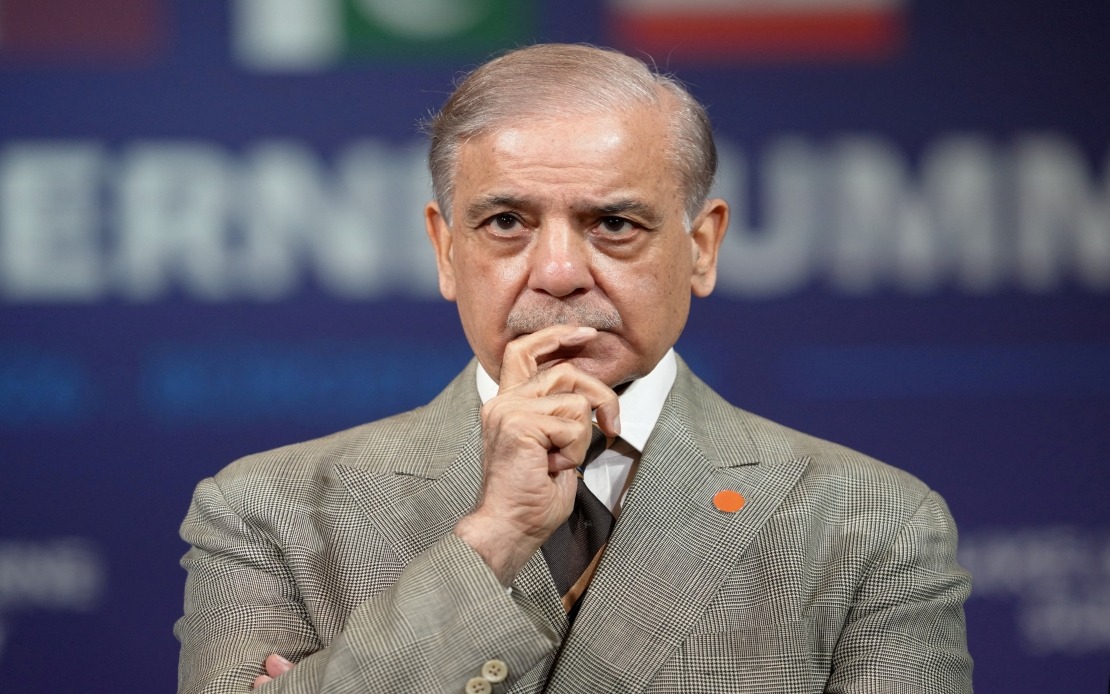
Prime Minister Shehbaz Sharif of Pakistan met with President Recep Tayyip Erdogan in Istanbul to discuss bolstering the economic relationship between the two nations, signalling a renewed push to deepen commercial ties at a time when both countries face significant economic pressures. The Saturday gathering centred on broadening collaboration across multiple sectors and setting ambitious targets for bilateral commerce, reflecting shared interests in regional stability and mutual prosperity.
During their discussions, Pakistani and Turkish leaders identified a mutual goal of reaching US$5 billion in annual trade volumes. This target represents a significant expansion from current levels and underscores both governments' determination to move beyond traditional political cooperation into substantive economic engagement. The figure suggests both sides view the relationship as a genuine commercial partnership with tangible growth potential, rather than merely a diplomatic arrangement.
The bilateral agenda encompassed diverse sectors critical to both economies' development strategies. Energy security, a perennial concern in South Asia given Pakistan's persistent power shortages, featured prominently in talks. Transportation infrastructure, particularly relevant given the two nations' geographic positioning as potential transit hubs, also commanded attention. Additionally, discussions extended to cooperation in critical minerals—a dimension reflecting global competition for resources essential to modern manufacturing and technology sectors—as well as digital technologies, which increasingly shape competitive advantage.
A particularly noteworthy initiative involves establishing a Pakistan-Turkey digital corridor, an ambitious project that Prime Minister Shehbaz Sharif championed during meetings with Turkish technology executives. This corridor would enhance digital connectivity across the region, enable secure data movement between borders, and integrate digital infrastructure more comprehensively. For Malaysia and Southeast Asia, such developments carry relevance as regional digital integration accelerates; successful Pakistan-Turkey models could inform broader Asian connectivity initiatives and competition for digital leadership.
Pakistan's Deputy Prime Minister and Foreign Minister Ishaq Dar played an active role in the economic negotiations, alongside ministerial colleagues overseeing maritime affairs, energy, petroleum, privatisation, information technology, and telecommunications. This multi-sectoral representation demonstrates the comprehensive nature of Pakistan's economic outreach and suggests systematic government engagement rather than isolated commercial discussions. The breadth of ministerial involvement signals to Turkish investors that Pakistan's commitment spans institutional levels.
Turkish business participation was notably strong, with executives from major conglomerates and enterprises attending the Pakistan-Turkey business conference. Koc Holding, a diversified industrial powerhouse; Arcelik, a substantial appliances manufacturer with significant regional operations; Aygaz, active in gas distribution; and Demir Export all sent senior representation. This calibre of participation indicates serious Turkish interest in Pakistani opportunities and suggests potential for substantial capital flows and technology transfer.
The energy sector emerged as particularly significant within these discussions. Pakistan has long struggled with energy deficits that constrain economic growth and industrial competitiveness. Turkish expertise in energy generation, distribution, and renewable technologies could address critical infrastructure gaps. Manufacturing and industrial investment also received prominent attention, reflecting recognition that both nations must diversify their economic bases and attract foreign direct investment to sustain growth.
Mining and mineral extraction formed another cooperation pillar, relevant given Pakistan's substantial natural resource endowments and Turkey's processing and manufacturing capabilities. Collaboration in these sectors could create integrated value chains where Pakistan supplies raw materials while Turkish enterprises add processing and manufacturing value, benefiting both partners and potentially serving broader regional markets.
For observers across Southeast Asia, including Malaysian policymakers and businesses, the Pakistan-Turkey engagement model demonstrates how neighbouring nations with complementary resources and capabilities can structure economic partnerships. The emphasis on digital corridors and infrastructure connectivity aligns with regional frameworks like the Digital Economy Framework Agreement and evolving Asian integration strategies. Turkey's role as a bridge between Europe and Asia also carries implications for supply chain resilience and diversification.
The diplomatic timing reflects broader geopolitical realignments. Pakistan faces external economic pressures and seeks to strengthen relationships with major regional powers and emerging economies. Turkey, similarly navigating complex regional dynamics, recognises Pakistan as a strategic partner spanning South Asia and the Islamic world. Their deepening economic ties signal mutual strategic calculation beyond immediate commercial benefit.
Implementation will prove crucial. Bilateral trade agreements require regulatory alignment, investment protection frameworks, and operational infrastructure. The $5 billion target demands sustained effort and removal of procedural impediments. The digital corridor initiative, while ambitious, necessitates significant technological investment and cross-border regulatory cooperation. Success would demonstrate that political commitment can translate into meaningful economic outcomes.
The business community engagement suggests momentum beyond government pronouncements. When Turkish conglomerates commit senior executives to overseas business conferences, they signal genuine exploration of opportunities rather than ceremonial attendance. Pakistani government officials' presence across multiple portfolios reinforces this seriousness and indicates receptiveness to Turkish investment and expertise across sectors.
Regionally, Pakistan-Turkey cooperation carries broader implications. Enhanced economic ties between the two nations could stimulate similar initiatives elsewhere in South Asia and the broader Islamic world. For Malaysia, Turkey's demonstrated capacity to engage multiple South Asian partners simultaneously suggests opportunities for expanded cooperation and potential trilateral arrangements that might enhance mutual competitiveness in global markets.

