Syria's Foreign Minister Asaad Hassan Al Shaibani has embarked on a historic visit to Pakistan, marking the first such ministerial trip in almost twenty years and signalling a significant warming of relations between the two Muslim-majority nations. The visit to Islamabad reflects a broader strategic repositioning as both countries seek to strengthen partnerships in an increasingly complex regional landscape, particularly following Syria's recent diplomatic rehabilitation following years of international isolation.
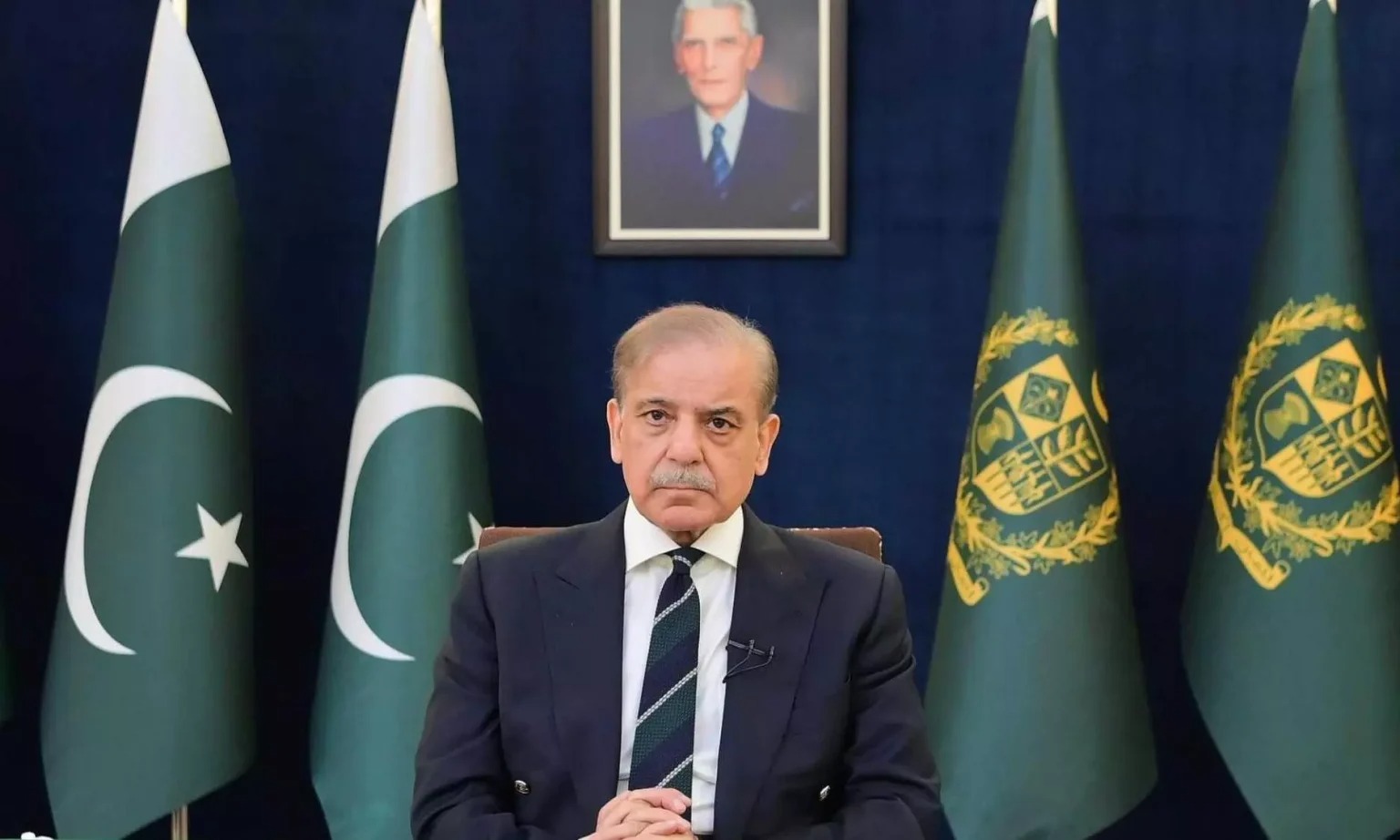
During his week-long stay, Shaibani engaged with Pakistan's top political leadership, including Prime Minister Shehbaz Sharif, who used the occasion to reaffirm Pakistan's longstanding support for Syria's territorial integrity and sovereignty. The prime minister's emphasis on Syria's position regarding the Golan Heights underscores Pakistan's alignment with the Arab nation's stance on this contested region, a key issue for Damascus's foreign policy agenda. This display of solidarity carries particular significance given Pakistan's traditional role as a bridge-builder within the Islamic world and its influence across South Asian and Middle Eastern geopolitical calculations.
The substance of bilateral discussions extended well beyond ceremonial gestures, with both governments identifying concrete areas for practical cooperation. Pakistan's government statement highlighted the intention to translate historical ties into tangible partnerships spanning political dialogue, defence and security matters, commercial exchange, investment flows, educational programmes, and human resource development initiatives. Such comprehensive framing suggests ambitions that reach far deeper than superficial diplomatic courtesy, reflecting genuine interest in establishing enduring institutional frameworks for engagement.
One particularly notable proposal involves the resumption of direct airline service between the two countries, a practical measure designed to facilitate increased travel and strengthen cultural connections at the grassroots level. The absence of regular direct flights has historically constrained people-to-people interaction and commercial activity, making aviation links a critical enabler for broader relationship expansion. This initiative resonates with broader regional trends toward connectivity infrastructure development across South Asia and the Middle East.
Trade and investment featured prominently in Shaibani's discussions with Pakistani Commerce Minister Jam Kamal Khan, reflecting each nation's economic priorities. Pakistan sought to activate greater engagement between private business communities, recognising that sustained bilateral relations ultimately depend on profitable commercial opportunities for enterprises in both countries. Shaibani, for his part, highlighted Syria's substantial infrastructure and reconstruction needs stemming from the country's prolonged conflict, positioning Pakistan as a potential partner in that rebuilding effort. This framing opens possibilities for Pakistani contractors, engineers, and investors to participate in Syria's post-conflict reconstruction, potentially generating employment and economic benefits for Pakistani firms.
A particularly significant development emerging from the commerce discussions involves the proposed establishment of a joint business council, a formal institutional mechanism intended to foster systematic dialogue between private sectors and provide structured pathways for identifying and pursuing mutually beneficial commercial ventures. Such councils typically function as networking platforms, policy advocacy forums, and project incubation spaces that can dramatically accelerate commercial relationships beyond what ad hoc interactions might achieve. The existence of such frameworks often correlates with increased bilateral trade volumes and investment flows.
Beyond bilateral matters, Shaibani and Pakistan's Deputy Prime Minister and Foreign Minister Ishaq Dar engaged in broader strategic discussions addressing major regional and international developments. Their agenda encompassed the Palestinian question, a perennial concern for Arab nations and a touchstone issue within Pakistan's foreign policy discourse; the Golan Heights; Afghanistan's ongoing political dynamics; South Asian security concerns; and wider West Asian developments. This expansive conversational scope indicates that Pakistan and Syria view their bilateral relationship not as isolated but as embedded within larger regional strategic frameworks requiring coordinated positioning.
Syria's formal welcome of the Makkah Joint Defence Agreement represents a particularly noteworthy dimension of the visit, signalling Damascus's interest in regional security architectures that might involve Pakistani participation. The agreement, initially concluded between Saudi Arabia and other Gulf states, represents an important security initiative within the Arab world. Syria's expressed appreciation for Pakistan's constructive approaches to regional peace, particularly regarding US-Iran tensions, reflects recognition of Islamabad's nuanced diplomatic positioning within Middle Eastern rivalries. Pakistan has historically maintained complex relations with both Washington and Tehran, positioning itself as a potential de-escalation agent rather than an unambiguous partisan actor.
The timing of this visit carries additional significance given Syria's gradual international rehabilitation following years of diplomatic estrangement resulting from its internal conflict. As Damascus works to restore regional standing and reintegrate into broader Arab and Islamic institutional frameworks, engagement with significant players like Pakistan becomes strategically valuable. For Pakistan's part, the outreach represents an opportunity to expand its Middle Eastern footprint and strengthen ties with a nation whose geopolitical importance derives partly from its central location within Middle Eastern affairs.
From a Southeast Asian perspective, this Pakistan-Syria development merits attention as part of broader patterns of intra-Islamic world relationship consolidation. The rise of trilateral and multilateral initiatives among Muslim-majority nations, coupled with infrastructure and connectivity projects spanning Asia and the Middle East, creates interdependent networks that influence how regional actors navigate global challenges. Pakistan's strengthening of ties with Syria could have indirect implications for regional stability and investment patterns affecting Southeast Asian nations with commercial or strategic interests in either region.
The emphasis on defence and security cooperation, though not elaborated in detail during the visit, signals potential areas for military-to-military engagement and intelligence-sharing frameworks. Such arrangements, when formalised between countries, can substantially deepen strategic partnership depth beyond what purely commercial or cultural exchanges might achieve. Pakistan's military experience and defence industry capabilities could prove relevant to Syria's security requirements as it transitions away from conflict toward reconstruction and stabilisation phases.
Looking forward, the establishment of concrete mechanisms such as the proposed joint business council will determine whether this diplomatic high-level engagement translates into sustained, measurable increases in bilateral activity. History demonstrates that regular high-level visits without supporting institutional infrastructure often fail to generate lasting relationship deepening. The specific commitment to reinstituting direct flights represents a particularly concrete deliverable that could serve as an early indicator of implementation momentum behind the broader engagement framework articulated during Shaibani's visit.

