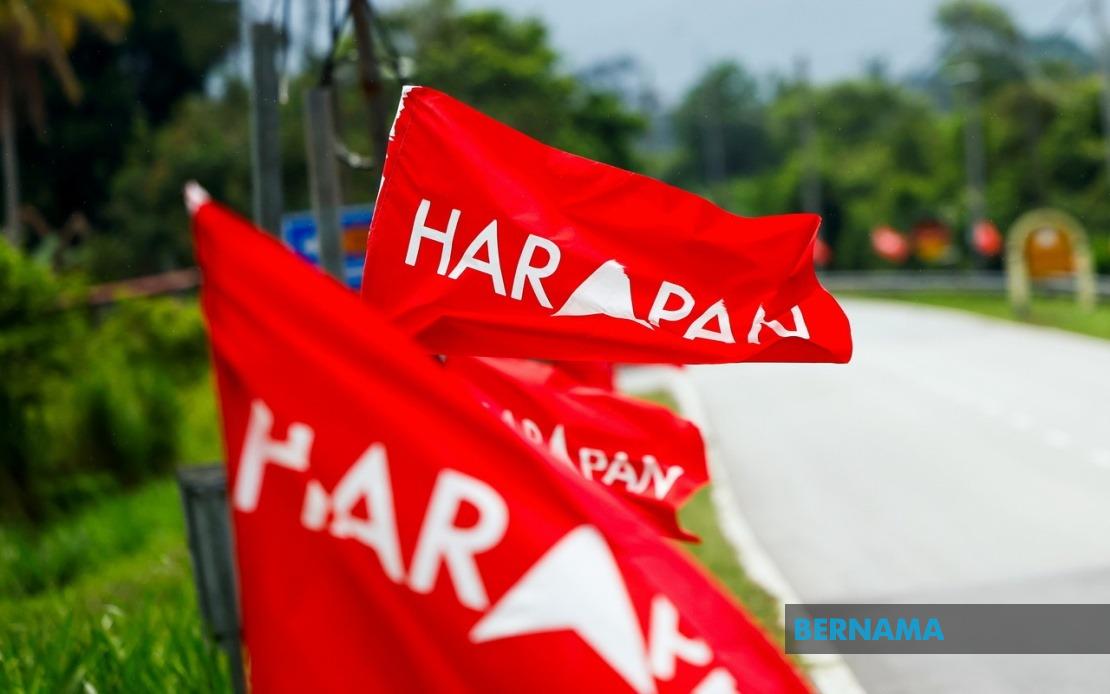
Pakatan Harapan is set to present its electoral platform for the 16th Negeri Sembilan state election, with the manifesto unveiling scheduled for tonight in Seremban. The coalition's state operations director, Datuk Muhammad Zaki Md Sabri, outlined the party's intention to anchor its campaign around the achievements and prosperity residents have experienced under its administration since 2018, signalling a continuity-focused strategy ahead of the August 1 polling day.
The manifesto represents a comprehensive policy document crafted by the party's senior leadership to demonstrate how sustained economic growth and social welfare improvements can benefit ordinary Negeri Sembilan residents. Rather than proposing radical shifts in direction, PH's approach appears designed to capitalise on incumbency advantages and the tangible improvements visible across the state over the past six years. Muhammad Zaki emphasised that the document has been carefully constructed to articulate how the coalition intends to maintain momentum on fiscal management and social programmes that have resonated with voters.
As the campaign enters its second phase, PH's ground machinery appears to be operating efficiently, according to the operations director's assessment. Candidates have reported encouraging responses from constituents during door-to-door engagement and public events, suggesting the party's messaging on development achievements is connecting with voters at the grassroots level. The smooth execution of logistical operations—from candidate deployment to voter outreach coordination—indicates PH has invested substantially in campaign infrastructure across the state's constituencies.
Muhammad Zaki's remarks also reflected broader concerns about maintaining campaign decorum and civility. He called on all participating parties to avoid inflammatory rhetoric and to steer clear of sensitivities related to the "3R" framework—religion, royalty, and race—issues that remain deeply embedded in Malaysian electoral politics. This appeal for restraint suggests organisers are conscious of the potential for tensions to escalate as campaigns intensify over the coming weeks, particularly given Malaysia's historical experience with heated state elections.
The Negeri Sembilan State Legislative Assembly was dissolved on June 5, setting the election machinery in motion. The Election Commission established August 1 as election day, with early voting opportunities available on July 28 for military personnel, their spouses, and police officers. This staggered voting arrangement affects a subset of the total electorate but reflects Malaysia's established procedures for accommodating public sector workers who may be on duty during normal polling hours.
Approximately 889,490 registered voters are eligible to participate in the election across Negeri Sembilan's constituencies. This figure comprises 867,151 ordinary voters who will cast ballots on August 1, alongside 16,884 military voters and their families plus 5,455 police personnel designated as early voters. The scale of participation suggests a competitive election where every constituency could prove decisive, making ground operations and voter messaging critical to any party's overall success.
For PH, presenting a coherent manifesto emphasising stability and proven governance offers a strategic counterweight to potential opposition arguments about the need for change. In Malaysian state politics, incumbent governments often face pressure to demonstrate tangible results, and Negeri Sembilan residents will evaluate whether PH's claimed development record—economic initiatives, infrastructure projects, social programmes—justifies continued electoral backing. The manifesto launch represents a formal opportunity to crystallise these claims into a binding policy commitment.
The opposition will undoubtedly present contrasting visions for Negeri Sembilan's future, potentially arguing that new leadership could accelerate development or address perceived shortcomings in current governance. However, without the manifesto details being publicly available yet, the substantive debate between competing platforms remains to unfold. Both sides will seek to frame narratives around economic opportunity, public services delivery, and state-level competence—factors that consistently influence voter behaviour in Malaysian elections.
Negeri Sembilan occupies a notable position in Malaysia's political landscape as a state that has experienced significant shifts in governance. The transition of power to PH in 2018 represented meaningful electoral change, and the upcoming contest will indicate whether voters view that transition as having delivered positive results. Incumbent governments often enjoy structural advantages in state elections, including media coverage, administrative resources, and demonstrated track records that voters can evaluate directly.
The campaign period represents a critical window for PH to consolidate support among voters who backed the coalition previously, while simultaneously attempting to persuade swing voters or those who have not previously supported the party. The manifesto unveiling serves as a high-profile media event designed to project unity, competence, and clear direction. How effectively the party communicates its policy proposals and development vision will significantly influence the final electoral outcome on August 1.

