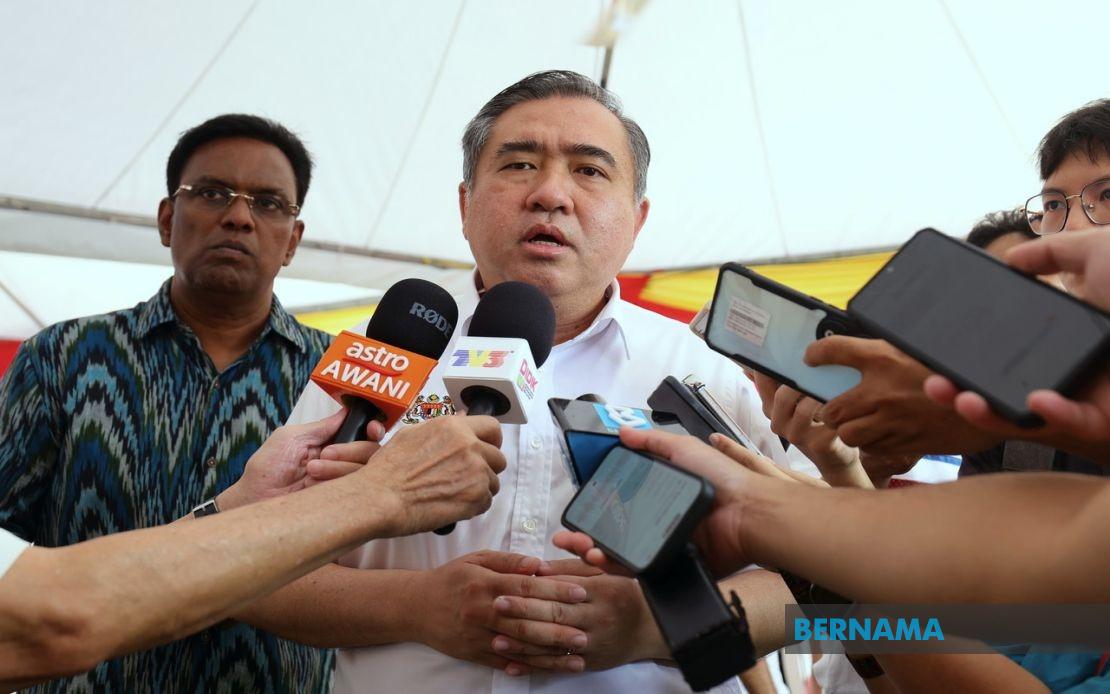
The ruling Pakatan Harapan coalition has declared itself unfazed by the prospect of opposition cooperation in the forthcoming Negeri Sembilan state election, with party leadership insisting that electoral victory will hinge on the strength of its own political machinery rather than its rivals' tactical manoeuvres. In remarks made in Seremban on July 16, DAP secretary-general Anthony Loke dismissed concerns about potential coordination between Barisan Nasional and Perikatan Nasional, stating that such alignments had been anticipated based on recent electoral patterns observed in neighbouring Johor.
Loke's comments arrive amid speculation that BN and PAS may coordinate their seat allocation and constituency negotiations to maximize combined opposition impact in the state assembly polls. The DAP leader framed such opposition strategy as neither novel nor particularly concerning, drawing parallels to previous state contests where similar alliances had been tested. His measured response reflected a broader PH approach of projecting confidence while signalling that the coalition remains alert to emerging political developments that could shape the contest.
The transport minister outlined PH's strategic priorities with deliberate focus on internal consolidation rather than external polemics. He emphasized that unity among the coalition's component parties—a feature that has sometimes proven fragile in previous electoral cycles—represented the genuine foundation for securing victory across contested seats. This messaging carries particular weight given the coalition's mixed recent performance in state-level contests and the emergence of internal strains, most notably in Melaka where ideological and procedural disagreements have threatened PH's control.
For Malaysian voters accustomed to volatile coalition politics, Loke's confidence may ring somewhat hollow given the historical track record of both BN and PH in making bold pre-election claims only to face disappointing results. However, his invocation of PH's governance record in Negeri Sembilan under Menteri Besar Datuk Seri Aminuddin Harun since 2018 suggests the coalition intends to anchor its campaign in concrete administrative performance rather than abstract promises. This approach potentially resonates more powerfully with rural and semi-urban constituencies where development outcomes directly affect voter sentiment.
The anticipated contest for Chinese voter support represents a particularly delicate dimension of the coming campaign. Loke acknowledged that MCA and other opposition parties would mount efforts to capture this demographic, traditionally viewed as critical to coalition fortunes in mixed constituencies across Peninsular Malaysia. Rather than dismissing such threats, the DAP chief adopted a pragmatic posture, noting that voters retain agency in making electoral choices and that pre-election assertions about support levels prove meaningless without polling day results. This concession implicitly recognizes growing uncertainties surrounding voter behaviour and coalition loyalty that have characterized recent Malaysian politics.
The broader context of PH's current political position adds urgency to the Negeri Sembilan contest. As the federal ruling coalition, Pakatan Harapan faces the perennial challenge of mid-term governing fatigue, where administrations struggle to maintain early momentum and public enthusiasm. Simultaneously, BN and PN have their own incentives to demonstrate electoral viability, with BN seeking rehabilitation after years of decline and PN pursuing consolidation of its earlier gains in other states. This triangular competition creates a genuinely competitive environment in which no outcome can be taken as assured.
The Melaka situation that Loke addressed tangentially underscores the real fragility beneath PH's facade of unity. When the Melaka DAP component decided to withdraw from the state administration over disputes concerning nominated assembly members, the incident revealed fundamental disagreements about governance philosophy and democratic practice within the coalition. Though Loke characterized the matter as settled following the state government's rearrangement of legislative assembly seating, the episode demonstrates how internal tensions can flare with minimal warning, potentially complicating PH's broader political standing during election season.
Loke's discussion of the MADANI Adopted Village, MADANI Adopted School, and Santuni MADANI initiatives showcased another dimension of PH's pre-election positioning. By emphasizing continuity of rural development programmes across ministries since 2025, the transport minister sought to reframe infrastructure investment and village assistance as systematic governance rather than opportunistic electioneering. The initiatives targeting Kampung Baru Mantin, Kampung Mantin Dalam, and Sekolah Jenis Kebangsaan Cina Chung Hua Mantin demonstrate attention to both general rural development and specific Chinese community interests, reflecting the demographic complexity that will shape the contest.
The strategic challenge facing Pakatan Harapan extends beyond Negeri Sembilan itself. A convincing performance in this state election would provide crucial momentum heading toward potential federal-level political recalibrations, while underperformance could encourage opposition parties to intensify their challenges to PH's federal governance. Conversely, opposition gains in Negeri Sembilan could catalyze broader realignments among BN and PN at the national level, potentially reshaping the parliamentary arithmetic that currently sustains PH's federal position.
For Southeast Asian observers tracking Malaysian political dynamics, the Negeri Sembilan contest exemplifies the region's characteristic fluidity in coalition politics. Unlike more stable two-party systems, Malaysian electoral competitions involve multiple major coalitions with shifting memberships, competing ideological orientations, and volatile voter preferences. The forthcoming state election will provide valuable data about whether PH can maintain its position as the dominant national coalition or whether opposition parties have successfully arrested the decline that characterized the post-2018 period.
Ultimately, Loke's carefully calibrated statements reveal a leadership consciously projecting preparedness while acknowledging genuine uncertainties about electoral outcomes. PH's assertion that it remains focused on strengthening internal unity and government performance represents a reasonable strategic posture, though whether such emphasis proves sufficient to secure decisive victory remains to be determined by voters themselves. The coalition's track record in previous contests suggests that confidence expressed before elections often requires considerable qualification once results arrive, making the actual polling day outcome in Negeri Sembilan genuinely competitive and unpredictable.

