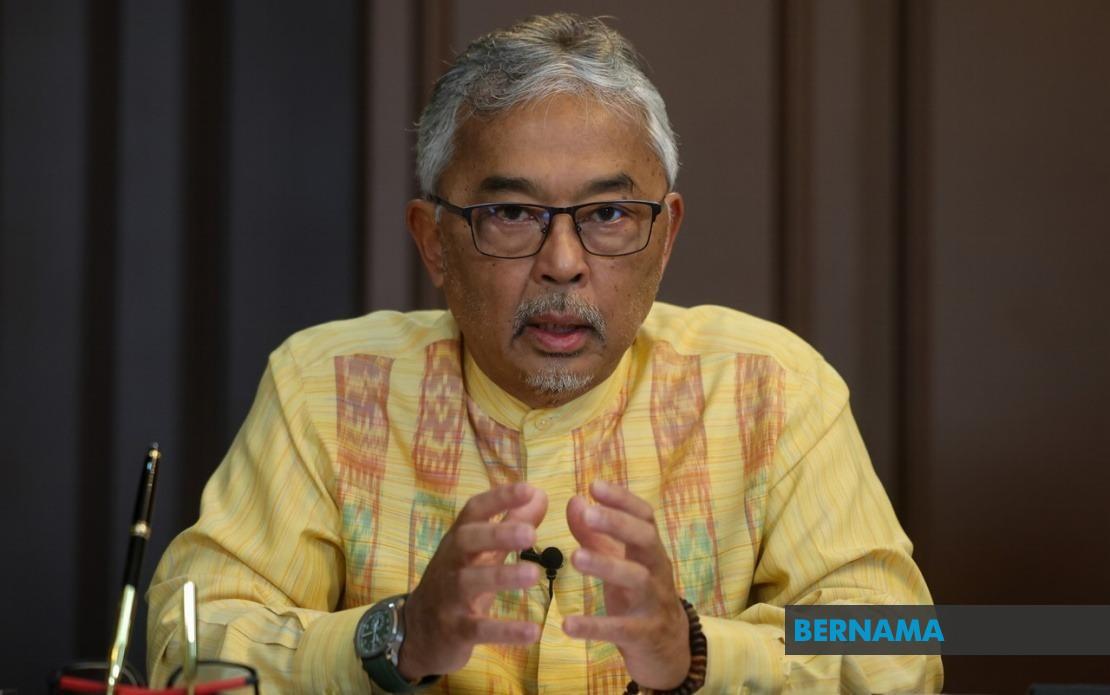
The Sultan of Pahang, Al-Sultan Abdullah Ri'ayatuddin Al-Mustafa Billah Shah, has issued a directive requiring all local authorities throughout the state to undertake comprehensive assessments of mature and aging trees that may threaten public safety. The order, issued from Kuantan on August 14, represents a significant shift toward preventive measures in managing environmental hazards across Pahang's municipalities and township councils.
The directive specifically targets large trees positioned in high-traffic areas, including parks, roadside verges, residential neighbourhoods, and other locations frequented by the public. By concentrating attention on these vulnerable zones, the Ruler seeks to identify potential hazards before incidents occur rather than responding reactively after accidents. The emphasis on regular and systematic inspections underscores a commitment to embedding tree safety protocols into routine municipal operations.
Al-Sultan Abdullah stressed the critical importance of immediate follow-up action when inspections reveal trees at risk of failure. Rather than simply documenting hazardous conditions, local authorities must implement corrective measures promptly—whether through professional pruning, bracing, or removal—to eliminate threats to residents and road users. This approach recognises that identifying a problem without resolution offers little protection and may create liability issues for municipal bodies.
The Ruler's directive comes in response to a troubling pattern of tree-related incidents across Malaysia that have resulted in fatalities and serious injuries. These accidents, often occurring during storms or simply as ageing trees reach the end of their structural integrity, have prompted growing public concern about municipal maintenance standards. By taking direct action, the Pahang sultanate demonstrates how traditional leadership can reinforce modern safety governance.
Tree hazard assessment represents a surprisingly neglected area in many Malaysian municipalities, despite the country's tropical climate and high rainfall that can weaken root systems and compromise structural stability. The decentralised nature of local authority management means that uniform standards rarely apply, creating inconsistencies in how different townships approach tree management. Some districts may rely on citizen complaints to identify problems, while others adopt systematic inspection protocols. Pahang's new requirement aims to establish a standardised baseline across all jurisdictions within the state.
The practical implementation of these inspections will require local authorities to invest in training arborists and tree surgeons capable of assessing structural health, diagnosing diseases, and evaluating risk levels. Many municipalities lack in-house expertise and may need to engage external specialists, presenting budget implications during periods of fiscal constraint. However, the cost of inspections pales in comparison to potential compensation claims, emergency response expenses, and the human toll of preventable accidents.
For Malaysian readers and particularly those in Pahang, this directive has immediate relevance to daily safety in parks, residential areas, and along commuting routes. Parents using public spaces, residents living near mature trees, and road users all stand to benefit from more vigilant oversight. The directive also sets a precedent that other state rulers and local authorities nationwide might emulate, potentially elevating tree safety standards across the country.
The environmental dimension deserves consideration as well. Rather than encouraging indiscriminate felling, a proper assessment protocol can distinguish between trees that genuinely pose hazards and those requiring only maintenance. This balanced approach preserves urban canopy and biodiversity benefits while removing genuine risks—a crucial distinction as Malaysian cities grapple with heat island effects and environmental degradation.
Local authorities in Pahang will now face pressure to demonstrate compliance with the Ruler's directive, likely through documentation of inspection schedules, identified hazards, and remedial actions taken. This creates an accountability mechanism that encourages municipalities to take the mandate seriously rather than treating it as a symbolic gesture. Regular reporting requirements could transform tree safety from an overlooked municipal function into a priority requiring dedicated resources and personnel.
The directive also reflects broader trends in governance toward anticipatory rather than reactive approaches. Instead of managing crises after they occur, forward-thinking administrations invest in prevention. This philosophy, when extended across infrastructure management more broadly, could improve safety outcomes and reduce public trauma associated with preventable accidents in shared spaces.

