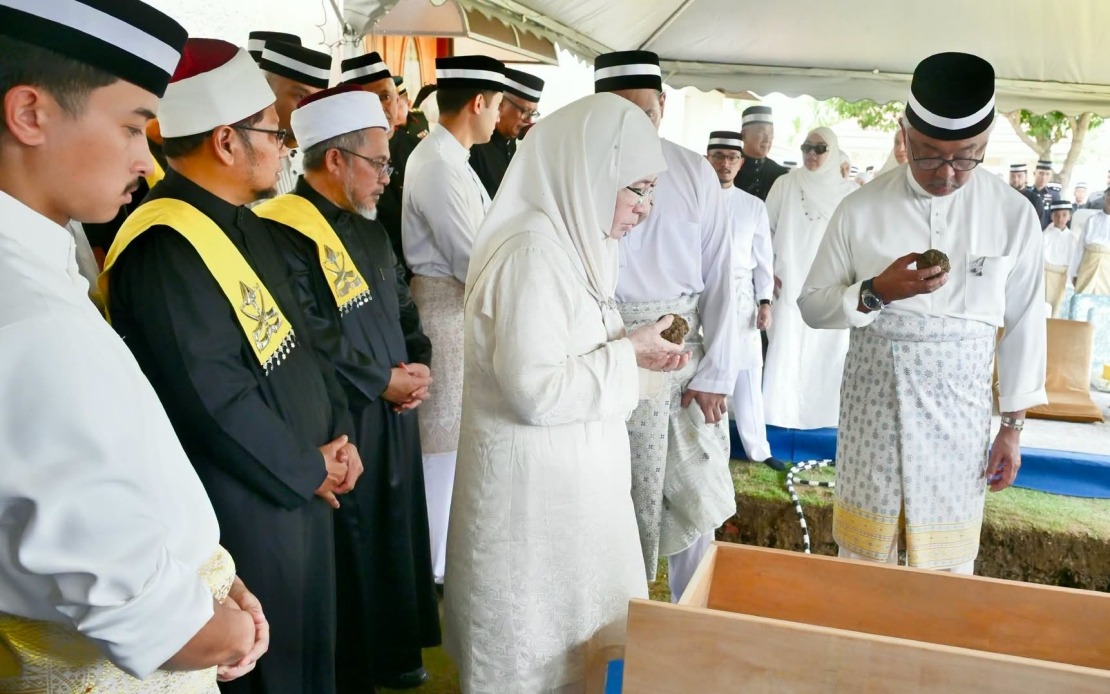
The Pahang royal family has commenced formal mourning following the death of Tengku Puteri Seri Kemala Tengku Datuk Seri Aishah, the elder sister of Sultan Al-Sultan Abdullah Ri'ayatuddin Al-Mustafa Billah Shah. The three-day observance, which began on Wednesday and extends through Saturday, reflects established protocols within the state's royal household and underscores the significance of her passing within Pahang's ruling family structure.
Major General Datuk Mohamed Zahari Yahya, the Comptroller of the Royal Household, outlined the formal requirements governing the mourning period in an official statement released from Kuantan. These directives establish specific protocols for family members during this time of bereavement, emphasizing the ceremonial nature of the observance and the state's traditions surrounding royal mourning practices.
Members of the extended royal family have been instructed to adopt white attire throughout the three-day period, a symbolic choice reflecting solemnity and respect in Malaysian royal customs. Male family members face additional dress code requirements, which form part of the comprehensive guidelines established by the royal household to ensure uniformity and proper decorum during this significant period.
Tengku Puteri Seri Kemala passed away at a Kuala Lumpur hospital at 9.15 pm on Wednesday evening. Her remains were subsequently transported to Pekan, where final funeral rites were conducted at the Royal Mausoleum the same afternoon, following Islamic burial practices observed within the royal family.
The Sultan and Tengku Ampuan of Pahang, Tunku Azizah Aminah Maimunah Iskandariah, have been particularly affected by the loss, as emphasized in the royal household's statement. The announcement specifically highlighted the personal significance of Tengku Puteri Seri Kemala's passing to these senior members of the state's royal institution, acknowledging their close familial bonds.
Beyond the immediate royal family, the comptroller's statement extended an appeal to the broader Pahang community to participate in collective remembrance. Residents have been encouraged to recite Al-Fatihah and offer prayers for Tengku Puteri Seri Kemala's soul, seeking divine forgiveness and mercy in accordance with Islamic practice. This invitation to public participation reflects the interconnected relationship between the monarchy and the rakyat in Malaysian constitutional systems.
The death represents a significant transition within Pahang's royal lineage, as Tengku Puteri Seri Kemala occupied a distinctive position as the Sultan's elder sibling. Her role within the family hierarchy and her historical presence in state affairs, accumulated over many decades, distinguish her passing as an event of considerable importance to the state's institutional fabric and collective memory.
Royal mourning protocols in Malaysia serve multiple functions beyond simple grievance expression. They reinforce dynastic continuity, demonstrate respect for established customs, and provide structured frameworks through which families and communities process significant loss. The three-day observance, while limited in duration, carries substantial symbolic weight within the context of state traditions and public awareness of the royal institution's stability.
For Malaysian observers accustomed to tracking developments within state royal households, such mourning announcements offer insight into family structures and succession considerations that periodically surface in public discourse. The careful articulation of mourning requirements and the inclusive messaging toward the general population demonstrate how contemporary Malaysian monarchies balance private grief with public institutional responsibilities, particularly across predominantly Muslim states such as Pahang where Islamic observance structures ceremonial protocols.

