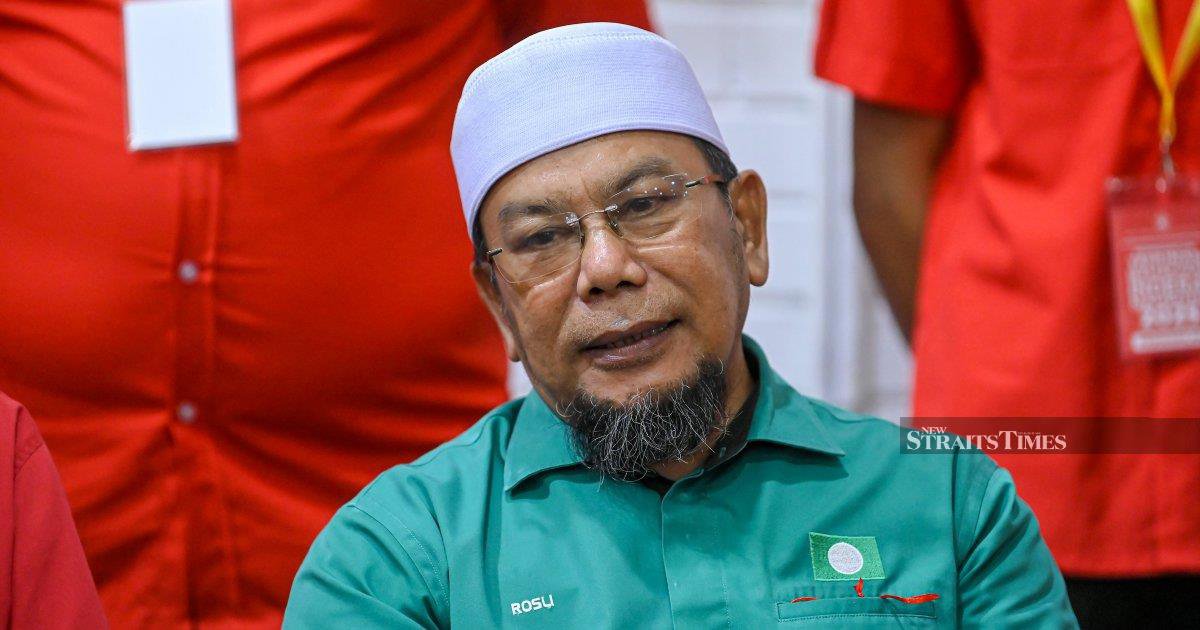
Pahang's Islamic Party (PAS) is carefully balancing its political options in the state, neither fully committing to an alliance with UMNO nor ruling out the possibility of competing independently in upcoming electoral contests. This cautious positioning reflects the complex dynamics within PAS as it navigates between its federal partnership arrangements and localized political considerations that may differ significantly from national-level strategies.
The party's leadership in Pahang has maintained that substantive discussions remain possible with UMNO regarding potential cooperation frameworks. This openness stems partly from the successful track record of PAS-UMNO collaboration in several states, where combined electoral strength has delivered decisive results. However, the Pahang branch appears unwilling to surrender negotiating leverage by signalling unequivocal commitment too early in preliminary discussions. Such strategic ambiguity is common in Malaysian political dealmaking, where parties often preserve flexibility until formal negotiations conclude.
Within the broader Malaysian political context, PAS finds itself in a position of relative strength. The party has demonstrated substantial grassroots support and has expanded its electoral footprint considerably over recent election cycles. This enhanced standing means PAS negotiators can engage with UMNO from a position less dependent on alliance arrangements than might have been the case in previous decades. Consequently, PAS can credibly threaten independent contestation as a negotiating tactic without appearing desperate or isolated.
The Pahang situation also reflects internal PAS considerations regarding candidate selection and seat allocation. If cooperation occurs, UMNO and PAS would need to determine which party contests which constituencies, a process historically fraught with tension between coalition partners. PAS may be signalling that unless it receives satisfactory seat numbers and safe constituencies, the party would prefer to field its own candidates statewide rather than accept a subordinate position in a power-sharing arrangement. This calculation particularly matters in Pahang, where PAS has cultivated significant support among both rural and increasingly suburban constituencies.
UMNO's position in Pahang remains complicated by internal divisions and the party's broader struggles at the national level. The dominant Malay-Muslim party faces pressure to demonstrate continued relevance and electoral viability, making it potentially receptive to PAS cooperation if such arrangements can be structured to benefit both organizations. However, UMNO's Pahang leadership may view independent PAS contestation as a genuine threat, given PAS's demonstrated capacity to outperform UMNO in specific constituencies and demographic categories.
For Malaysian voters in Pahang, this political positioning creates uncertainty regarding which candidates will ultimately represent which parties in the next state election. Such uncertainty can depress voter enthusiasm and engagement, or conversely, can stimulate interest as potential supporters wait to see final candidate nominations. The business and investor community in Pahang may also find this ambiguity concerning, as political instability or protracted government formation processes can affect development projects and administrative decision-making.
Regionally, the Pahang situation fits into broader Southeast Asian patterns where Islamist parties increasingly negotiate as co-equal partners rather than junior coalition members. PAS's confidence in maintaining such negotiating positions reflects demographic changes, improved party organization, and demonstrated electoral competitiveness. This regional trend carries implications for Malaysia's federal system and the balance of power between major coalitions.
The timeframe for clarity remains crucial. PAS and UMNO must ultimately resolve their cooperative intentions prior to formal candidate registration for state elections. Should negotiations stall or prove unproductive, both parties face the prospect of competing directly against each other, potentially fragmenting the Malay-Muslim vote and benefiting opposition parties. Such outcomes would represent a significant departure from the cooperative arrangements that have generally characterized UMNO-PAS relations in recent years, though tensions between the parties have occasionally erupted in specific states.
Temperamental variations between PAS and UMNO leaders in Pahang may also influence outcomes. Personal relationships and institutional trust between key figures often matter more than formal party directives in determining whether cooperation materializes. Individual politicians may harbour grievances or harbour ambitions that complicate national-level agreements. Conversely, pragmatic local leaders committed to electoral victory might find common ground more readily than their national counterparts.
The economic dimension adds another layer to these political calculations. Pahang's development needs, resource management, and investment attraction could benefit from stable, unified Malay-Muslim leadership following elections. Voters increasingly prioritize competent governance and economic performance over purely sectarian considerations, potentially rewarding parties that demonstrate administrative capacity. Both PAS and UMNO may recognize that cooperation enhances their collective capability to deliver development outcomes that satisfy voter expectations.
Ultimately, Pahang's PAS is exercising rational political strategy by maintaining options and preserving negotiating flexibility. Complete commitment to either alliance or opposition contests at this juncture would surrender advantages that only become apparent during formal discussions. As political developments unfold over coming months, the actual shape of PAS-UMNO relations in Pahang will clarify, either through explicit partnership frameworks or through the emergence of competitive dynamics.

