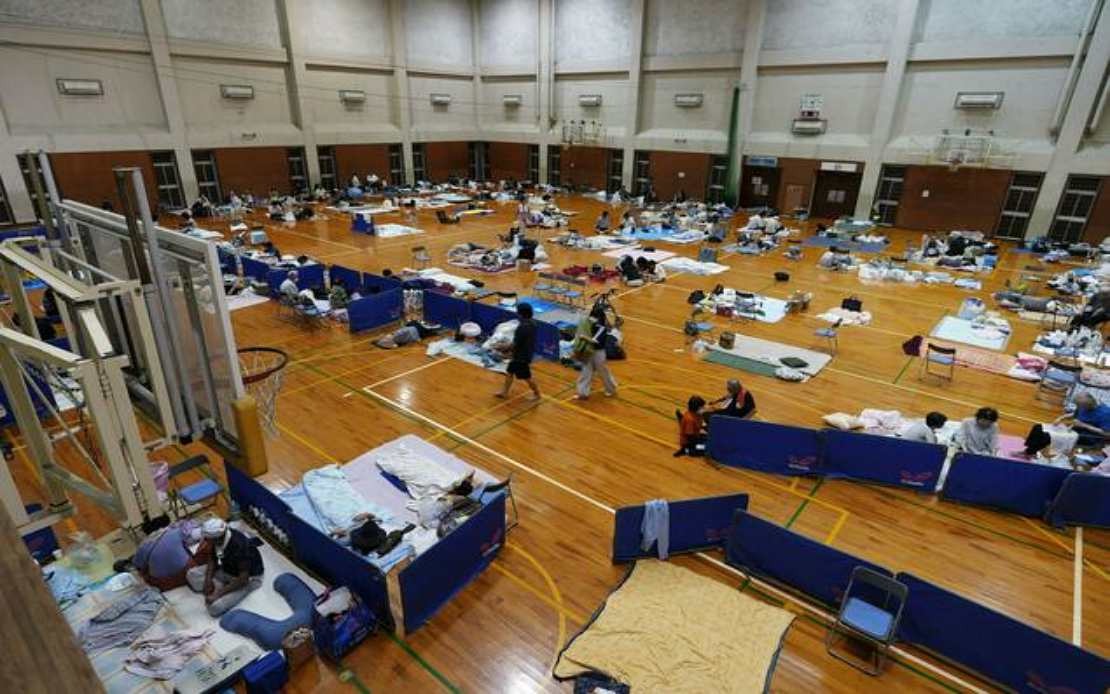
Seven days have passed since a powerful magnitude 7.1 earthquake jolted Kumamoto Prefecture in southwestern Japan on July 28, yet the humanitarian crisis continues to unfold with mounting urgency. Over 8,000 people remain sheltered in 150 emergency facilities across the region, while approximately 12,000 buildings lie damaged or destroyed. The initial disaster has been compounded by two cascading challenges: widespread water supply disruptions affecting tens of thousands of households and an intense heat wave bringing temperatures that in some locations have never been recorded at such heights, creating a potentially deadly combination for vulnerable populations.
The scale of destruction from the earthquake itself has been substantial and tragic. The official death toll stands at 38, a figure that reflects both the severity of the initial tremor and secondary disasters triggered by structural failures. Among the most devastating incidents was an explosion at an Aeon shopping mall in Kashima that claimed seven lives, while a chimney collapse at Nippon Paper Industries Co.'s facility in Yatsushiro resulted in nine deaths. These incidents underscore how seismic events in densely populated industrial areas can transform into multiple catastrophes, with consequences radiating far beyond the immediate impact zone.
The heat wave presents an insidious threat that official agencies are racing to address. Large portions of Kumamoto Prefecture recorded maximum temperatures of 35 degrees Celsius or above on Monday alone, with several locations reaching 40 degrees Celsius—unprecedented levels for those areas. For people sleeping in evacuation shelters or, worse, in vehicles due to overcrowding, these conditions create severe health risks. At least one suspected death from heatstroke has already been recorded among those sheltering in cars, prompting authorities to treat heat prevention as a matter of life-or-death urgency. The number of people actually sleeping in vehicles remains unknown and likely exceeds initial estimates, indicating that the true scope of displacement may be substantially larger than official figures suggest.
Water supply failures have dramatically worsened conditions across the affected region. Approximately 45,000 households in five municipalities continue to experience water outages more than a week after the earthquake. For evacuation shelters housing thousands of people, the inability to maintain adequate water supplies creates cascading problems: insufficient drinking water for hydration during extreme heat, inadequate water for sanitation and hygiene, and challenges in managing basic facility operations. The national and prefectural governments have mobilized water trucks dispatched from across Japan to various affected areas, yet the scale of the need continues to strain logistics and supply chains. Additional measures have included expansion of portable toilet facilities and deployment of spot cooling equipment within shelters, reflecting a multi-pronged approach to preventing health crises.
The situation has proven sufficiently grave that Prime Minister Sanae Takaichi visited evacuation shelters on Monday and announced the government would formally designate the earthquake as a "disaster of extreme severity." This classification carries significant financial consequences, enabling affected local governments to access higher subsidies for reconstruction and recovery efforts. The designation reflects official recognition that standard disaster assistance frameworks are inadequate for the scale of rebuilding required across Kumamoto Prefecture. Authorities have already begun implementing longer-term recovery measures, including applications for secondary evacuation to hotels and the commencement of temporary housing construction in the hardest-hit municipalities of Uki and Hikawa.
The international dimension of this disaster has emerged through humanitarian assistance from neighboring regions. The southern Taiwanese city of Kaohsiung has sent essential care supplies to Miyabien, a nursing home located in Yatsushiro, after learning of the facility's critical shortages. Midori Tagata, the director of the nursing home, publicly expressed gratitude for the donation, emphasizing that water outages throughout the city have made it extremely difficult to maintain proper hygiene standards for elderly residents. This cross-border assistance demonstrates how major disasters activate international networks of goodwill and mutual support, particularly among closely connected East Asian communities.
Transportation infrastructure damage has further complicated recovery and relief operations. The Kyushu Shinkansen Line bullet train service remains suspended between Kumamoto and Kagoshima-chuo stations, disrupting major passenger connections within this densely populated region of southwestern Japan. The Kyushu Expressway has also been closed to general vehicles between the Matsubase and Ebino exits, forcing alternative routing that increases travel times and strains local roads. These transportation disruptions hamper not only the movement of evacuees and recovery personnel but also the supply chain logistics essential for delivering emergency supplies and managing the complex logistics of a major disaster response.
The ongoing water crisis represents one of the most pressing challenges for authorities managing the immediate aftermath. With thousands of people concentrated in shelters and surrounding communities deprived of normal water service, preventing waterborne disease and maintaining basic sanitation has become paramount. Water trucks operating throughout affected municipalities provide a temporary lifeline, but the scale and duration of the outages suggest that full restoration of normal water supplies will take considerably longer. Coordination between national, prefectural, and municipal authorities is essential to prioritize water allocation to shelters and medical facilities while also addressing the needs of surrounding communities.
The experience in Kumamoto carries important lessons for disaster preparedness across Japan and throughout Southeast Asia, where seismic activity poses ongoing risks to densely populated regions. The compounding effects of secondary hazards—in this case extreme heat and infrastructure failures—can rapidly transform a disaster from a response challenge into a complex humanitarian emergency. The vulnerability of elderly residents in care facilities, the risks faced by people sheltering in vehicles, and the rapid depletion of basic utilities all highlight systemic weaknesses in disaster resilience that extend beyond earthquake engineering. For Malaysia and other regional nations, the Kumamoto experience underscores the importance of developing comprehensive emergency management frameworks that account for cascading hazards and the particular vulnerabilities of displaced populations during extended recovery periods.

