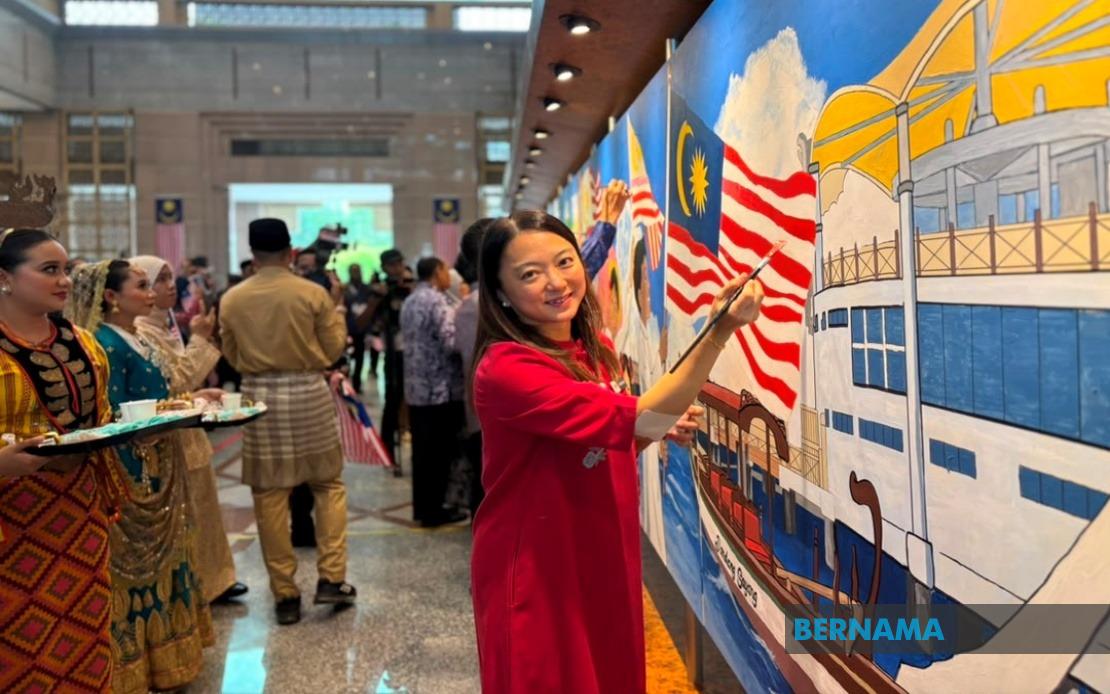
The Federal Territories have received more than 62,000 national flags as preparations intensify for the 2026 National Day and Malaysia Day festivities. Hannah Yeoh, the Minister in the Prime Minister's Department responsible for Federal Territories, announced that 62,386 Jalur Gemilang flags have been systematically distributed throughout Kuala Lumpur, Putrajaya and Labuan beginning in early August. The distribution represents a significant outreach effort to encourage patriotic sentiment across the nation's administrative centres.
The flags have been strategically positioned along protocol roads, prominent public spaces, and residential neighbourhoods within the three Federal Territories. This widespread placement aims to create a visible manifestation of national pride during the buildup to the independence celebrations. The coordinated effort involves multiple government agencies, including the Federal Territories Department and Putrajaya Corporation, demonstrating institutional commitment to fostering national consciousness through symbolic representation.
Hannah Yeoh emphasised that Malaysian citizens need not feel apprehensive about displaying the Jalur Gemilang, particularly on digital platforms. She encouraged Malaysians to showcase their patriotism by flying the flag in their homes, businesses, and across social media channels. This appeal reflects a broader governmental strategy to normalise flag display as an everyday expression of national identity rather than confining such demonstrations to official ceremonies or commemorative periods.
A critical dimension of the campaign focuses on ensuring proper flag etiquette. The minister stressed that agencies and institutions must observe correct protocols when displaying the national flag, as lapses in procedure undermine the dignity of the symbol. She acknowledged that some citizens harbour concerns about committing errors in flag handling and advised against allowing such hesitation to discourage participation. This recognition of public anxiety demonstrates sensitivity to the practical barriers that sometimes inhibit grassroots patriotic expression.
To address concerns about improper flag display, Hannah Yeoh highlighted the availability of comprehensive guidelines accessible through government websites. These resources provide clear visual examples demonstrating correct protocols for hoisting and caring for the Jalur Gemilang. By democratising access to technical knowledge, the authorities aim to empower ordinary Malaysians to display their flag with confidence and correctness. This approach treats flag etiquette education as a public service rather than an exclusive governmental prerogative.
The minister extended specific guidance to business owners and corporate managers, urging them to ensure that employees responsible for flag handling receive adequate training. She recommended that management implement verification procedures to identify and correct any breaches of proper protocol before they occur. This cascading responsibility structure reflects recognition that institutional practices influence public behaviour and that private sector compliance sets important examples for residential and community engagement.
The patriotic campaign extended beyond symbolic distribution to include a community art initiative. Hannah Yeoh participated in completing a 25.40-metre mural at Menara Seri Wilayah, an iconic federal government building in Putrajaya. This Independence Mural incorporated architectural representations of landmarks distinctive to each Federal Territory alongside the national flag, creating a unified visual narrative linking local identity with national sovereignty. The collaborative mural project transformed abstract patriotic sentiment into tangible community participation.
The artistic component of the HKHM 2026 campaign reflects evolving approaches to civic engagement that extend beyond traditional official ceremonies. By incorporating public art and visual representation into independence commemorations, authorities acknowledge that sustained national consciousness emerges through aesthetic experience and creative participation. The mural bridges generational gaps by appealing to residents of varying ages and educational backgrounds, ensuring that patriotic messaging resonates across diverse demographic segments.
Hannah Yeoh articulated a vision of flag patriotism rooted in childhood education and sustained through school experiences. She argued that instilling respectful flag practice during formative years creates enduring civic habits that persist into adulthood. This pedagogical perspective positions the 2026 campaign as part of a longer-term nation-building initiative aimed at cultivating generations of Malaysians who naturally express patriotic sentiment through symbolic gestures. The emphasis on early socialisation reflects evidence-based understanding that values developed during childhood demonstrate greater persistence than those acquired later.
The Federal Territories Department and Putrajaya Corporation leadership participated in the flag distribution and mural completion activities, signalling executive-level commitment to the patriotic initiative. The presence of senior officials from these agencies underscored the seriousness with which government institutions approached the campaign and conveyed implicit messages about the significance of national symbols and independence commemorations.
For Malaysian observers, the campaign illustrates how government institutions approach civic engagement during election-adjacent periods and significant commemorative moments. The emphasis on accessibility, education, and removing barriers to participation suggests a deliberate strategy to broaden patriotic expression beyond traditionally enthusiastic segments of the population. As the 2026 celebrations approach, the systematic distribution of flags and provision of etiquette guidance will likely influence how diverse Malaysian communities manifest national sentiment during the independence anniversary season.

