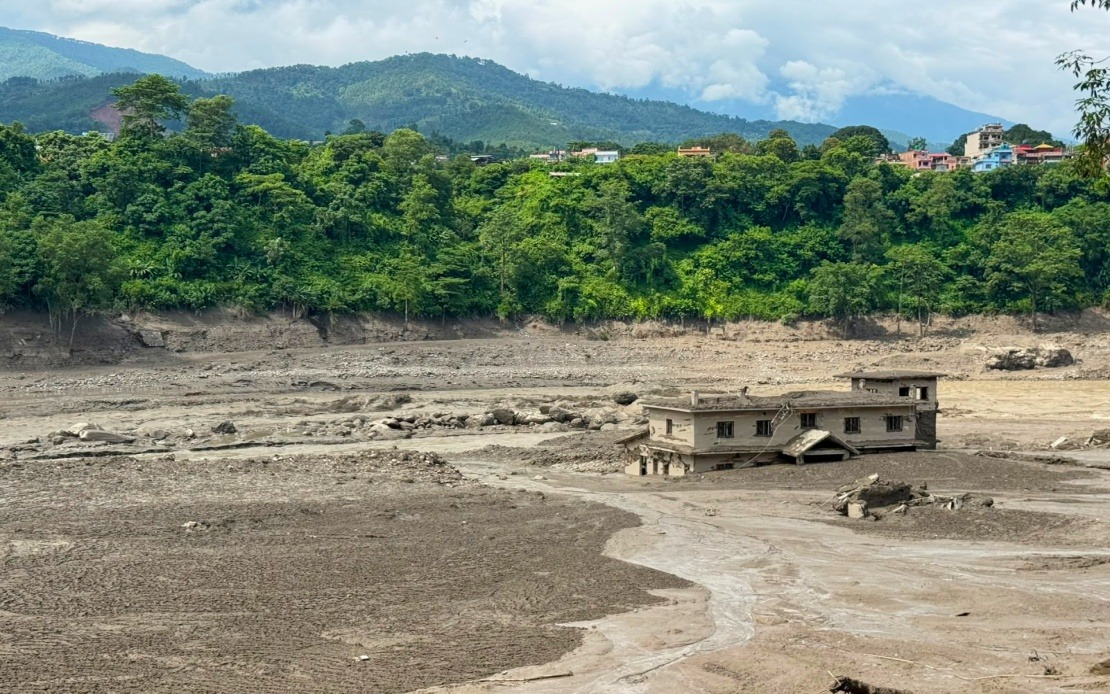
Nepal faces a mounting humanitarian crisis as flooding sweeps through the mountainous nation, leaving hundreds of tourists unaccounted for in one of the region's most popular trekking and tourism destinations. The Nepal Tourism Board confirmed on Wednesday that 384 travellers have gone missing across affected areas, comprising 291 foreign nationals and 93 Nepali citizens. The disaster underscores the vulnerability of Nepal's tourism infrastructure during extreme weather events and raises fresh concerns about safety protocols for international visitors exploring the Himalayan nation.
Among the missing are substantial numbers of tourists from major source markets. Indian nationals comprise the largest single contingent with over 100 citizens unaccounted for, reflecting India's significant share of Nepal's tourist arrivals. Malaysian authorities are particularly focused on locating 17 missing nationals caught in the flooding zone. Additionally, 12 British tourists remain missing, while four South Africans, three American citizens, one Australian, and one Dutch national are also among those yet to be found. The nationalities of 111 other missing persons have not yet been determined, indicating the scale of verification challenges faced by authorities still processing information from travel companies and guides operating across multiple affected areas.
The Nepal Tourism Board stressed that the preliminary figures represent incomplete information still undergoing verification and cross-checking protocols. Coordination efforts span tourism operators, licensed guides, local administrative officials, and security agencies attempting to establish definitive accounts of who was in affected zones when the flooding occurred. This layered verification process, while necessary for accuracy, means the actual situation may differ as more detailed information emerges from remote mountain communities and trekking routes disrupted by flooding. Travel agencies and local operators who maintained direct contact with tourist groups are providing crucial witness accounts to piece together movements and current whereabouts of missing persons.
Nepal's tourism sector, heavily dependent on international visitors trekking to locations like the Himalayas, Mount Everest base camp, and Annapurna region, faces significant reputational challenges following such incidents. Flooding in Nepal's mountainous terrain can rapidly develop with limited warning, affecting trekking routes where communication infrastructure may be compromised. The presence of such substantial numbers of tourists from diverse nations highlights how interconnected global tourism networks concentrate visitors in specific regions during particular seasons, amplifying the human impact when disasters strike. This incident will likely prompt discussions about disaster preparedness, early warning systems, and safety briefings for international trekkers.
For Malaysia, the situation represents a direct diplomatic and consular concern with 17 citizens among the missing. Malaysian authorities would be working through official channels with Nepal's government, engaging the tourism industry, and liaising with families of affected nationals. The Malaysian government has experience managing citizen welfare during regional disasters, though the mountainous terrain and ongoing flooding present logistical complications for rescue and recovery operations. Information flow to affected families in Malaysia and broader public communication about the situation becomes critical during such crises, particularly given the international media attention Nepal's tourism disasters typically generate.
Authorities have imposed high alert status for communities located downstream of affected areas, indicating that flooding may continue or secondary disasters may develop as water levels change. This precautionary measure suggests ongoing instability in affected regions and the potential for further displacement and casualties if conditions deteriorate. Search and rescue operations in flooded mountain terrain present extreme challenges, with weather conditions, terrain accessibility, and visibility creating substantial obstacles to locating missing persons. Helicopter operations, which might otherwise assist in remote areas, may be constrained by weather conditions that precipitated the flooding.
The incident reflects broader climate and environmental vulnerability affecting South Asian tourism. Mountainous regions like Nepal face increasing weather volatility, with monsoon patterns potentially intensifying and bringing more severe flooding. This creates a paradox for tourism-dependent economies: the natural attractions that draw visitors also expose them to environmental hazards that are becoming less predictable. Tourism operators in Nepal must balance economic imperatives with safety considerations, particularly when international clients pay substantial fees with expectations of manageable risk profiles.
International response protocols for missing persons typically involve consular missions, insurance companies, and international coordination mechanisms. The diversity of nationalities among missing tourists means Nepal's government must interface with numerous foreign diplomatic missions simultaneously, each seeking information about their respective citizens. This multiplies communication channels but also ensures that international pressure and resources focus on the situation. Insurance and repatriation mechanisms that cover adventure tourism in Nepal will likely face substantial claims, potentially affecting pricing and coverage terms for future trekking expeditions.
The preliminary nature of current figures emphasizes the information vacuum that typically characterizes initial disaster phases. As communications are restored in affected areas and missing persons locate assistance or are discovered, the picture will likely shift substantially. Some tourists may have reached safety independently, encountered delayed communication rather than being genuinely missing, or been temporarily unable to contact loved ones due to infrastructure damage. Conversely, thorough investigation may reveal casualties that had not been immediately accounted for. Patience in allowing verification processes to conclude, even as media attention intensifies, remains essential for accurate understanding of what occurred.
Nepal's tourism stakeholder community—from operators to guides to hospitality workers—faces both immediate pressure to assist in rescue efforts and longer-term pressure regarding operational changes. The incident will influence international perceptions of safety in Nepali tourism, potentially affecting booking patterns for upcoming trekking seasons. Transparent communication about what happened, comprehensive investigation into contributing factors, and visible improvements to safety protocols may help restore confidence among international visitors once the immediate crisis resolves.

