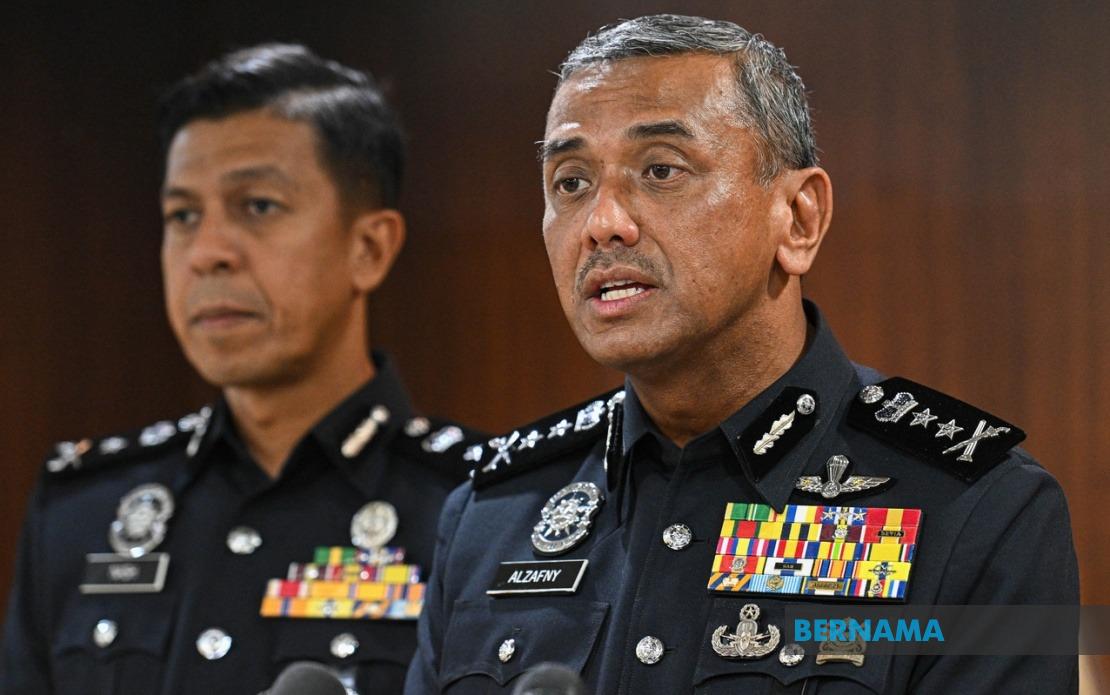
The Negeri Sembilan state election will see unprecedented participation from security and defence personnel through an early voting arrangement on July 28, with authorities confirming that over 22,000 PDRM and ATM members along with their families have registered to cast ballots before the main polling day on August 1. This substantial block of voters reflects the practical arrangements made for uniformed personnel who are typically deployed on election day itself, requiring them to exercise their democratic right separately from the general population.
According to Negeri Sembilan police chief Datuk Alzafny Ahmad, the early voting cohort comprises 5,455 Royal Malaysia Police officers and personnel based in the state, with the significantly larger contingent of 16,884 Malaysian Armed Forces members and their spouses making up the remainder of those eligible. The disparity in numbers underscores the substantial military presence across Negeri Sembilan, reflecting both national defence installations and the broader footprint of armed forces operations throughout the peninsula.
The logistical undertaking to facilitate this early voting arrangement is considerable. On July 28 itself, when early voting takes place, 1,796 personnel will be distributed across all operational zones to maintain order and ensure the smooth conduct of voting. This deployment density suggests authorities anticipate manageable crowds during the early period, contrasting sharply with the anticipated volume on the main election day.
Security arrangements intensify substantially as the electoral calendar progresses. During nomination day this Saturday, 2,393 personnel will be on duty across locations hosting nomination proceedings, reflecting the critical nature of the nomination phase when candidates formally declare their candidacy and campaign machinery begins to mobilise. The nomination period historically has been prone to heated exchanges and confrontations, necessitating heightened police presence.
Throughout the official campaign period, which runs from nomination day until polling eve on July 31, 1,685 personnel will maintain continuous deployment across Negeri Sembilan. This sustained presence aims to prevent breaches of electoral conduct rules and contain any incidents that might compromise the integrity of the democratic process. Finally, on polling day itself on August 1, the force reaches its peak deployment with 4,788 personnel stationed at polling stations and across the state to manage the anticipated surge in voter turnout.
Datuk Alzafny's remarks to the media underscored the police force's commitment to ensuring the 16th Negeri Sembilan state election proceeds without incident. He issued a comprehensive reminder to all political contenders and their supporters that maintaining decorum throughout the campaign period remains non-negotiable. The message conveyed implicit concern that the intensity of electoral competition might provoke transgressions that could derail the orderly conduct police are mandated to protect.
The police chief specifically flagged several categories of prohibited conduct: unauthorised public processions, orchestrated distribution of false information, defamatory language targeting opponents, hate speech targeting any community, and statements designed to undermine social cohesion. These restrictions reflect hard-earned lessons from previous Malaysian elections where campaign enthusiasm occasionally spilled into activities that endangered public order or inflamed communal sensitivities.
Particularly sensitive are matters touching on religion, race, and the Royal Institution—the so-called 3R issues—which Datuk Alzafny emphasised would receive singular police attention. Candidates and supporters were warned that these topics remain off-limits in political speeches, campaign materials, media statements, and social media content. The explicit focus on digital platforms acknowledges the reality that modern electoral campaigns increasingly play out online, where inflammatory content can circulate virally and incite real-world unrest before traditional law enforcement mechanisms can respond.
Beyond enforcement against misconduct during the campaign period, authorities have also issued guidance on post-election conduct. Candidates, supporters, and the broader public are expected to accept the officially announced results with mature acknowledgement of the democratic process, even when disappointed. Complaints about electoral outcomes must be lodged through established legal channels rather than through protests or actions that might disturb public security. This emphasis reflects Malaysia's experience with contentious elections where unsuccessful candidates have occasionally mobilised supporters in ways that test public order infrastructure.
The Election Commission has structured the electoral timeline with nomination day on July 19, followed by the early voting window on July 28 for security personnel and other eligible groups. The main polling day on August 1 will determine which party or coalition secures the mandate to govern Negeri Sembilan for the coming years. This extended electoral calendar, stretching across nearly two weeks, requires sustained police and security deployments that must balance facilitation of voter participation with prevention of campaign-related disturbances.
The Negeri Sembilan state election assumes particular significance within Malaysia's broader political landscape, as state-level contests frequently serve as barometers of shifting voter sentiment and testing grounds for campaign strategies before federal elections. The successful conduct of this election under intensive security supervision will be scrutinised by political analysts and observers as an indicator of electoral maturity and institutional capacity to manage democratic participation at scale.
For voters in Negeri Sembilan, understanding the staggered election calendar is essential. Those among the 22,000 early voters should prepare to cast ballots on July 28, while the remaining electorate can vote on August 1. Information regarding designated polling locations and voting procedures is available through official Election Commission channels and state-level announcements.

