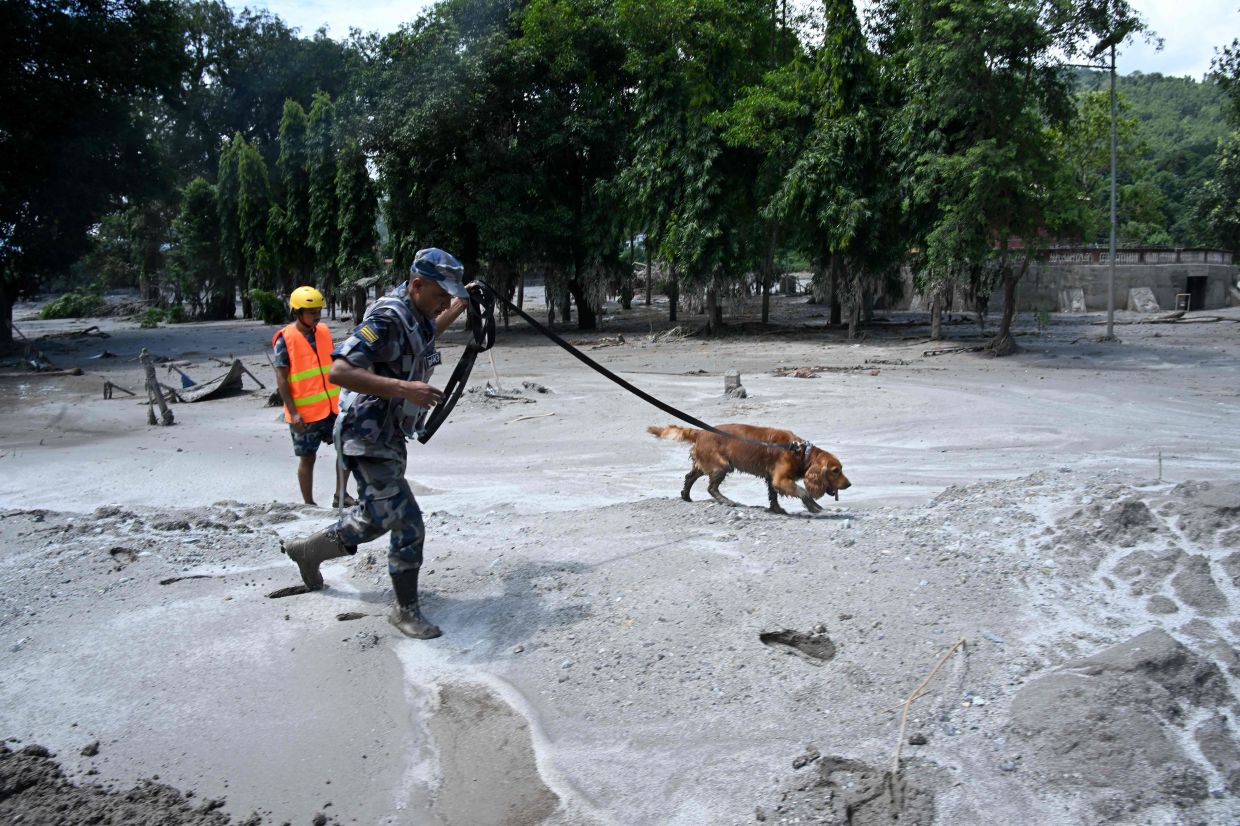
The devastating flash floods and landslides that struck the Nepal-Tibet border region have claimed at least 392 lives, with search and rescue efforts complicated by the vast number of missing persons spanning multiple nations. Authorities reported more than 1,400 people unaccounted for across both sides of the border, a figure that underscores the scale of destruction from what appears to be one of the region's most severe natural disasters in recent memory.
The challenge of compiling accurate casualty and missing person figures remains acute. Disaster management officials have cautioned that numbers are likely to shift as recovery operations continue, a pattern typical of major calamities. Dual nationals being counted separately, difficulties matching recovered bodies with missing persons lists, and the inherent chaos of emergency response all contribute to fluctuations in reported figures. Nepal's disaster management agency reported 910 unaccounted individuals on Thursday, August 27, while Chinese authorities across the border documented 558 missing persons, bringing the combined total to 1,468 people.
Among the missing are substantial numbers of foreign nationals and tourists. Nepal's disaster agency indicated that at least 517 of those unaccounted for within Nepal are foreigners, though specific nationality breakdowns were initially incomplete. Across the Tibet border, China reported 260 foreigners among its missing. The Nepal Tourism Board provided more granular data, identifying 667 missing tourists and travellers, encompassing both Nepali visitors and international visitors to the region.
Malaysia is directly affected by the crisis, with Prime Minister Anwar Ibrahim confirming that more than 50 Malaysians in Nepal have become unreachable since the disaster struck. The Nepal Tourism Board's figures align closely with this assessment, listing 51 Malaysians among the missing. For Malaysia's government and families awaiting news, the incident represents an urgent diplomatic and humanitarian priority, with officials working to establish contact and coordinate rescue efforts with Nepali authorities.
Indian nationals represent another significant contingent among the missing, with the Nepal Tourism Board documenting 178 citizens of India unaccounted for, though eleven others have been rescued. The figure highlights the region's appeal to Indian tourists and trekkers, who frequently visit Nepal's mountain areas. United States authorities have reported 90 missing American citizens, with the State Department noting that three have been rescued and no US deaths have been confirmed so far, though the Nepal Tourism Board's earlier assessment cited 65 unaccounted for.
European countries have also seen citizens caught in the disaster. Canada reports 30 citizens and permanent residents whose whereabouts remain unconfirmed, according to Foreign Minister Anita Anand, a figure slightly higher than the Nepal Tourism Board's initial count of 25. Ukraine's foreign ministry stated that 56 Ukrainians are listed as out of contact, though it emphasised that none have been confirmed among the injured or deceased. Australia's Foreign Minister Penny Wong reported that 39 Australian nationals are missing, a figure that rose as search operations continued and additional cases were identified.
The United Kingdom has 33 citizens unaccounted for, while New Zealand, Japan, and France each have five nationals missing. Germany reported eight missing citizens, and Russia similarly has eight unaccounted for, with two having been rescued. South Korea's labour force was affected as well, with nine hydropower workers in the Rasuwa district losing contact, though four were later rescued. Singapore has nine missing nationals, and smaller contingents from Latvia, South Africa, and other nations are also among those unaccounted for.
The missing persons data reveals a complex international dimension to the disaster, reflecting the region's popularity as a trekking and tourism destination. High altitude valleys and remote mountain passes that attract adventure tourists and workers have become zones of destruction, complicating rescue efforts. The variety of nationalities involved means coordinated international response efforts are essential, straining Nepal's already stretched emergency services and requiring diplomatic coordination among numerous countries.
For Southeast Asian nations, the disaster carries particular significance. Nepal remains a popular destination for Malaysian, Singaporean, and Thai tourists seeking mountain experiences and cultural tourism. The incident underscores regional vulnerability to natural disasters and the challenges of emergency response in remote, mountainous terrain. The missing persons figures will likely continue evolving as rescue teams access more difficult-to-reach areas and as family members report additional missing relatives.
China and Nepal have established coordinated response mechanisms given the cross-border nature of the disaster, with the two nations sharing information on casualties and missing persons. However, variations between different countries' figures for missing nationals suggest ongoing challenges in verification and communication. Official statements from multiple governments have sometimes differed, reflecting the fog of emergency situations and the difficulty of establishing definitive counts when borders, multiple languages, and varying reporting systems intersect.
The humanitarian response has mobilized both regional and international resources. Nepal's tourism industry, while facing disruption, has mobilized to assist stranded visitors and coordinate with foreign governments. The experience highlights the importance of pre-positioned disaster response capabilities and cross-border cooperation mechanisms in the Himalayan region, where such natural disasters pose recurring threats. For Malaysia and other nations with citizens missing, the coming days and weeks will remain critical as rescue teams work to locate survivors and provide answers to anxious families.

