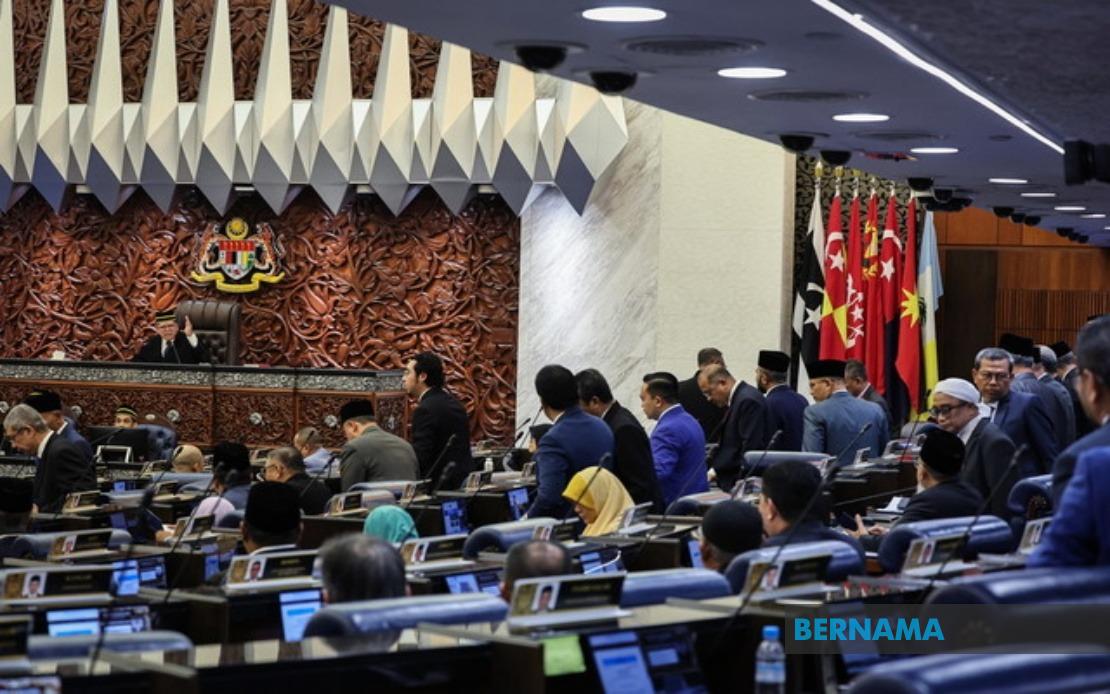
Perikatan Nasional MPs staged a dramatic walkout from the Dewan Rakyat during special proceedings on the Lembaga Tabung Haji report, leaving unresolved questions about whether political protest can serve the interests of millions of depositors whose retirement savings are at stake. Opposition Leader Datuk Seri Hamzah Zainudin, PN Chief Whip Datuk Seri Takiyuddin Hassan, and PN chairman Datuk Seri Dr Samsuri Mokhtar led the departure after Takiyuddin proposed that the sitting be adjourned over the absence of Prime Minister Datuk Seri Anwar Ibrahim and Deputy Prime Minister Datuk Seri Fadillah Yusof, both receiving medical treatment. The walkout deprived Parliament of substantive debate on the Royal Commission of Inquiry findings released publicly on July 29, throwing into sharp relief the tension between using parliamentary procedure as a forum for accountability and employing it as a venue for symbolic protest.
Academics who study Malaysian politics offer a nuanced assessment of the Opposition's strategy, distinguishing between its stated justification and its likely consequences. Prof Datuk Dr Sivamurugan Pandian of Universiti Sains Malaysia's School of Social Sciences characterises the departure as fundamentally a political manoeuvre protesting the Prime Minister's non-attendance rather than a tactic designed to protect the interests of Tabung Haji beneficiaries. By abandoning the chamber, he argues, Opposition MPs created space for a damaging narrative: that their political calculations matter more than the welfare of depositors who have entrusted their funds to the institution. This perception risk is particularly acute given that Tabung Haji manages retirement savings for nearly two million Malaysian Muslims, and the RCI's findings carry implications for their financial security.
The academic's analysis reveals the strategic paradox embedded in the Opposition's choice. While the walkout generates immediate media coverage and projects defiance toward the government, it simultaneously surrenders Parliament's most potent tool: the creation of an official, permanent record of scrutiny, questioning, and argumentation. Had Opposition MPs remained in the chamber despite their objections to the Prime Minister's absence, they could have challenged the government's handling of Tabung Haji directly, presented alternative analyses of the RCI data, proposed corrective measures, and enshrined their positions in Hansard, the official parliamentary record. These contributions would have formed part of Malaysia's historical documentation of how Parliament held government accountable on a matter affecting millions of Malaysians' retirement prospects. A walkout, by contrast, leaves that public record silent.
Particularly telling is Sivamurugan's observation that some Opposition MPs chose not to participate in the walkout, suggesting internal disagreement within the bloc about its prudence. This fracture signals that not all Opposition members accepted the premise that the Prime Minister's absence justified abandoning the debate entirely. Such divergence hints at unresolved strategic tensions within the Opposition coalition regarding when to prioritise symbolic resistance against when to utilise parliamentary mechanisms to defend constituent interests. For depositors watching from outside Parliament, this split carries troubling implications: if Opposition representatives cannot unanimously agree that defending Tabung Haji warranted remaining at their posts, what confidence can citizens place in the Opposition's commitment to their financial wellbeing?
The significance of the Prime Minister's non-attendance deserves serious consideration, for it carries real symbolic weight in parliamentary democracy. A head of government's presence at debates concerning major national institutions suggests institutional priority and personal investment in addressing public concerns. The absence of both the Prime Minister and Deputy Prime Minister from a sitting devoted to scrutinising a major scandal affecting millions of Malaysians reasonably appears to some as disrespectful toward Parliament and dismissive of affected citizens. Sivamurugan acknowledges this dimension, noting that the Opposition's frustration with the executive's apparent lack of seriousness cannot be dismissed as mere political theatre. The question, however, becomes whether staging a walkout effectively communicates that frustration or simply ensures that no counter-narrative to government positions appears in the parliamentary record.
From the perspective of Tabung Haji depositors scattered across Malaysia, the practical implications of the Opposition's absence are considerable. These individuals cannot attend Parliament themselves to hear arguments made on their behalf or to learn how their elected representatives assess the RCI findings. They depend on media coverage and second-hand accounts to understand what transpired during the debate. Media coverage, however, necessarily compresses complex policy discussions into headline narratives. By walking out, Opposition MPs ceded the opportunity to engage in the detailed, technical examination that the RCI report demands. Questions about fund management practices, investment decisions, governance failures, and remedial proposals require sustained parliamentary discourse, not brief news reports about who left the chamber and when.
The scholarly perspective advanced here reflects a broader principle about parliamentary democracy's function within plural societies. Legislatures exist not merely as platforms for protesters or venues for expressing political disagreement, but as institutions designed to create enforceable accountability mechanisms through documented scrutiny, debate, and the construction of official records that survive changes in government. When lawmakers bypass these mechanisms in favour of dramatic exits, they potentially weaken democracy's infrastructure while creating short-term political advantage. The Opposition's walkout may have resonated emotionally with supporters frustrated by government conduct, but it arguably surrendered the institution best equipped to hold government accountable on technical matters affecting mass welfare.
Sivamurugan emphasises that Parliament's role as a check on executive power requires continuous recording of arguments, analyses, criticisms, and alternative proposals. This record-making function distinguishes parliaments from street protests or media campaigns. When an Opposition leader argues something into the official record, that argument becomes part of the legal and political foundation upon which future governments must build. It creates obligations for future administrations to address documented criticisms and respond to recorded proposals. A walkout, by contrast, leaves government claims uncontested in any official sense, allowing it to characterise the RCI response unilaterally without facing coordinated, documented counter-arguments.
The timing of this parliamentary drama also carries implications for Southeast Asia's broader democratic development. Malaysia's democracy has faced considerable pressure in recent years, with questions about institutional independence and the balance between executive and legislative power. When Parliament's opposition bloc chooses symbolic exits over substantive engagement, it potentially signals to external observers that Malaysian democracy privileges performative gestures over functional institutions. This perception matters for Malaysia's standing among regional peers and for investor confidence in the stability and transparency of Malaysian governance. The Tabung Haji RCI's findings concerning governance, accountability, and institutional reform directly affect Malaysia's reputation for managing public assets responsibly.
Moving forward, the incident highlights unresolved tensions about what Parliament's role should be during times of executive-legislative conflict. Government ministers will likely defend the Prime Minister's absence as medically necessary, positioning opposition criticism as heartless or disrespectful toward a leader's health needs. Opposition parties will maintain that significant national issues cannot be shelved due to one individual's medical circumstances, and that institutional governance requires continuity regardless of personnel. Both positions contain elements of validity, yet the debate risks obscuring the core question: how can Parliament most effectively represent and protect the interests of Tabung Haji depositors who have no voice in this institutional struggle? The answer, Sivamurugan's analysis suggests, lies in Opposition MPs remaining present, engaged, questioning, and creating a parliamentary record that serves the people rather than themselves.

