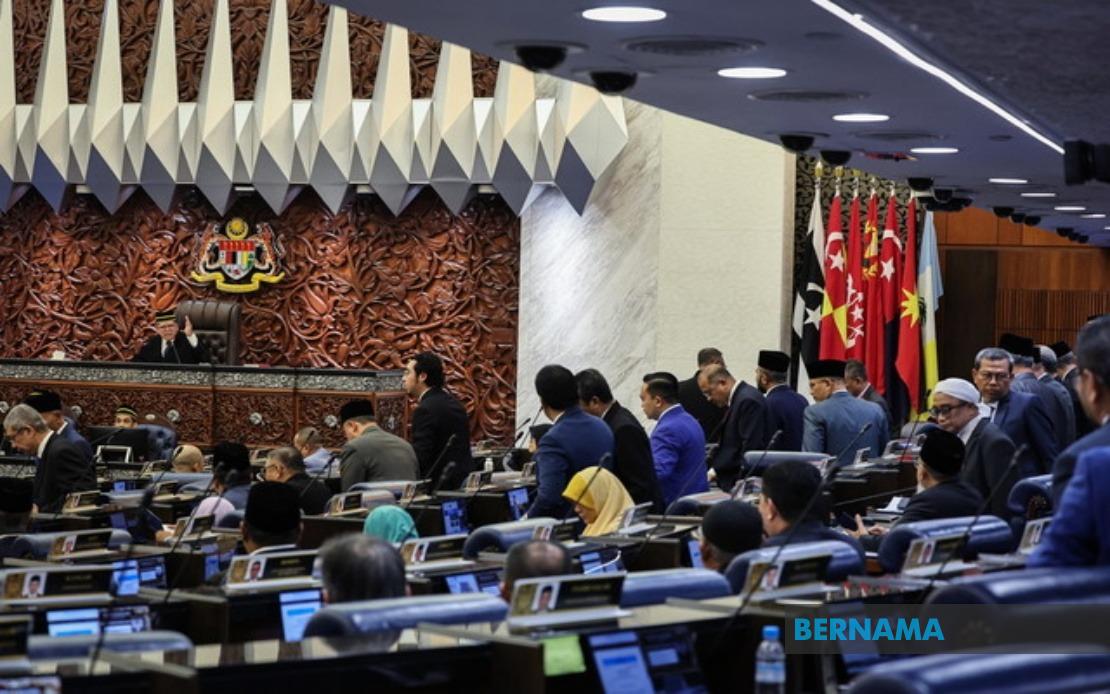
Opposition Members of Parliament staged a dramatic exit from the Dewan Rakyat on August 11 during a special sitting dedicated to presenting findings from the Royal Commission of Inquiry into Lembaga Tabung Haji's management and operations. The boycott reflected growing tension between the government and its parliamentary opponents over the handling of the high-profile investigation into the Islamic pilgrimage fund, which has faced scrutiny regarding its financial performance and governance structures.
The walkout was triggered by Speaker Tan Sri Johari Abdul's decision to proceed with the ministerial briefing despite the conspicuous absence of Prime Minister Datuk Seri Anwar Ibrahim. Opposition lawmakers argued that the session lacked sufficient gravitas without the Prime Minister's participation, particularly given the significance of the RCI findings for public accountability. The decision underscored a fundamental disagreement over parliamentary protocol and the appropriate forum for discussing matters of national importance.
Perikatan Nasional opposition chief whip Datuk Seri Takiyuddin Hassan had formally proposed postponing the sitting to accommodate the medical leave being taken by both Anwar and Deputy Prime Minister Datuk Seri Fadillah Yusof. Both senior government figures were receiving medical treatment at the time, creating a leadership vacuum that opposition representatives believed rendered the briefing premature. The proposal reflected a broader concern about whether Parliament was functioning at its intended capacity when dealing with matters requiring executive-level discussion and accountability.
The Speaker, however, rejected the opposition's concerns and took a confrontational stance toward the departing lawmakers. Johari declared that anyone dissatisfied with proceeding could leave, framing the decision as a matter of individual conscience regarding the importance of the briefing. His remarks carried an implicit criticism that opposition members were prioritising political theatre over substantive engagement with the RCI report. The Speaker's permissive stance toward the walkout effectively allowed the session to continue with reduced parliamentary representation.
Minister in the Prime Minister's Department (Religious Affairs) Dr Zulkifli Hasan subsequently delivered the briefing on Tabung Haji's findings to the remaining MPs. The absence of opposition representation during this presentation meant that critical questioning and scrutiny of the RCI conclusions were significantly diminished, raising questions about the effectiveness of parliamentary oversight. The reduced attendance also limited the diversity of perspectives shaping the initial parliamentary response to what are likely damaging findings about fund management.
The Tabung Haji RCI investigation has been one of Malaysia's most closely watched inquiries in recent years, examining how the pilgrimage fund—which holds assets and savings from millions of Malaysian Muslims—has been administered. Concerns about investment losses, governance failures, and potential impropriety have made the commission's report highly anticipated by stakeholders and the public. The political management of the RCI findings thus carries implications extending well beyond parliamentary theatre into questions of institutional trust and public confidence.
The confrontation between Speaker Johari and opposition MPs highlights persistent friction within Malaysia's political establishment regarding the boundaries of legitimate parliamentary dissent. While the Speaker's authority to manage proceedings cannot be questioned, opposition boycotts raise concerns about the legitimacy of parliamentary discussions when major opposition voices are absent. The incident suggests that fundamental disagreements persist over how Parliament should function as a deliberative body and a forum for government accountability.
For Malaysian citizens and Southeast Asian observers, the incident illustrates broader challenges facing Malaysia's democracy. The role of Parliament as a check on executive power depends on robust participation from all political factions, regardless of their relationship with the government. When opposition lawmakers withdraw from sessions, even in protest, they forfeit the opportunity to interrogate ministers and shape legislative outcomes. Conversely, when government leadership is absent during important briefings, questions arise about the priority assigned to parliamentary obligations.
The walkout also reflects positioning ahead of potential political shifts. Opposition parties maintain their base by demonstrating that they contest government actions vigorously, and boycotts serve as visible symbols of disagreement. Yet such tactics risk appearing opportunistic to observers focused on the substance of governance rather than partisan conflict. The Tabung Haji RCI report demands serious engagement regardless of political calculations, as affected contributors and the broader public seek accountability.
The incident underscores Malaysia's ongoing challenge of maintaining parliamentary institutions that command respect across political divides. Strong democracies require that opposition parties accept legitimate procedural decisions while maintaining the right to dissent on substance, and that governments treat parliamentary sessions with appropriate seriousness. The August 11 walkout revealed fissures in both dynamics, suggesting that Malaysian political leadership continues grappling with how to balance competitive politics with institutional integrity and public service.
Looking forward, how government and opposition resolve such procedural disputes will influence Parliament's effectiveness as a scrutiny mechanism. The Tabung Haji RCI findings require thorough parliamentary examination if public confidence in the fund and broader government institutions is to be restored. Walkouts and boycotts, whatever their political justification, ultimately weaken Parliament's capacity to perform this essential function. Both government and opposition face incentives to demonstrate that Malaysia's legislature remains a functional venue for serious deliberation on matters affecting millions of citizens.

