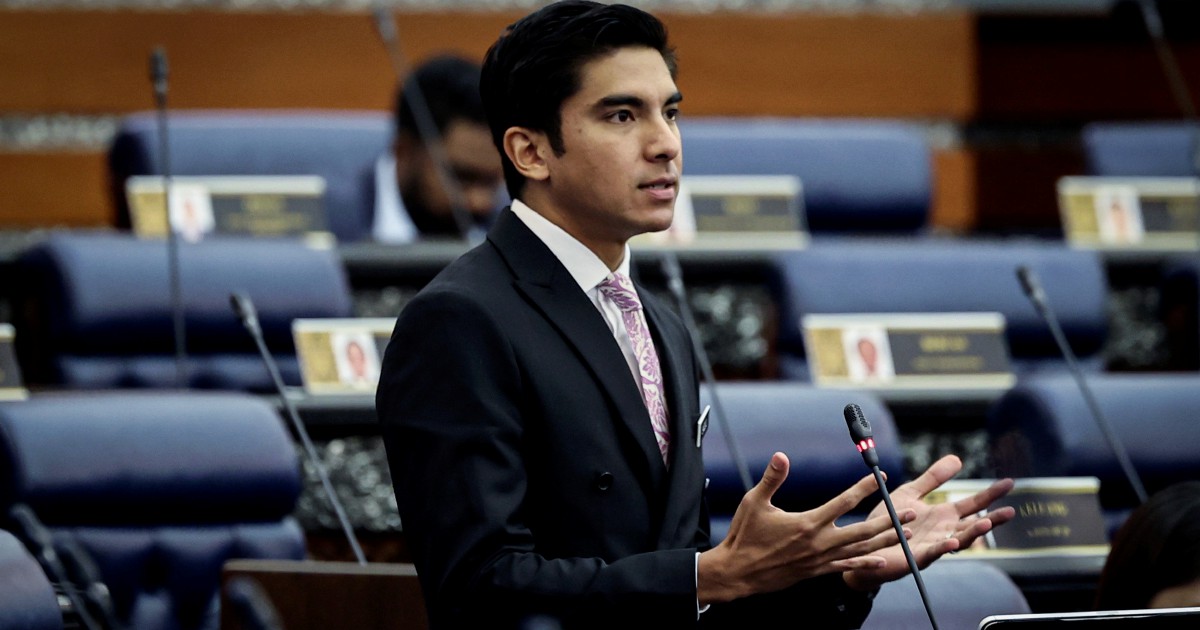
Syed Saddiq Syed Abdul Rahman, the Muda MP representing Muar, has launched a scathing criticism of the opposition bloc's decision to abstain from the parliamentary debate on the Tabung Haji Royal Commission of Inquiry report, characterizing their absence as a fundamental betrayal of the millions of ordinary Malaysians whose savings are held by the fund. His remarks underscore the deepening fault lines in Parliament over how the nation's lawmakers intend to address the findings stemming from what has become one of the most significant governance questions to grip Malaysia's Islamic financial institutions in recent years.
The Royal Commission of Inquiry was established to investigate the circumstances and decisions that led to the substantial losses incurred by Tabung Haji, the state-owned Islamic pilgrimage savings fund that holds deposits from approximately 10 million Malaysians. These depositors represent a diverse cross-section of the nation's population—many of them ordinary workers, retirees, and families who have entrusted their savings to the institution over decades, viewing it as a secure and religiously sanctioned investment vehicle. The scale of the potential impact on these account holders makes the parliamentary proceedings surrounding the RCI findings a matter of significant public importance, particularly for communities across Malaysia that depend upon Tabung Haji funds for their hajj pilgrimages.
Syed Saddiq's accusation against the opposition carries particular weight because it raises questions about the legislative opposition's commitment to accountability and transparency in matters concerning public financial institutions. The decision to boycott rather than participate in debate suggests, according to his interpretation, a form of political abdication at a critical moment when the institution and its depositors require robust parliamentary scrutiny. The Muar MP's intervention into this controversy reflects broader concerns about the quality of parliamentary discourse in Malaysia and whether elected representatives are prioritizing political positioning over substantive engagement with issues that directly affect their constituents' financial security.
Tabung Haji's challenges have accumulated over several years, marked by significant portfolio losses and questions regarding investment decisions made by the fund's management. The establishment of the RCI represented a formal acknowledgment by the government that the institution required independent investigation into its operational and financial governance. The commission's findings were anticipated to provide clarity on how resources entrusted by millions of Malaysians were managed, and which decisions or oversight failures may have contributed to the losses experienced. For depositors, particularly those approaching retirement or pilgrimage eligibility, the outcomes of this inquiry held considerable personal and financial consequence.
The opposition's boycott of the parliamentary debate reflects a political strategy that extends beyond this single institutional question. In Malaysian parliamentary practice, boycotts have historically served as tools of protest against what opposition parties perceive as procedural irregularities, government overreach, or perceived unfairness in how legislation or inquiries are being handled. However, Syed Saddiq's criticism suggests that regardless of the opposition's broader political objections, the specific subject matter—the welfare of 10 million ordinary depositors—transcends partisan calculations and demands engagement from all parliamentary quarters.
The timing and context of the opposition's absence also merit examination within Malaysia's evolving political landscape. The nation has experienced significant electoral volatility in recent years, with multiple changes in government and reconfigured coalitions. Within this fluid environment, parliamentary discipline and the willingness of opposition members to engage constructively on matters of governance has become increasingly scrutinized by both the public and civil society observers. The Tabung Haji debate represents precisely the type of institutional accountability matter that should command bipartisan commitment, regardless of which coalition holds executive authority.
For Malaysian depositors and the wider public, the absence of the opposition from this debate creates an incomplete parliamentary record. Robust and adversarial questioning from opposition benches typically serves an essential function in parliamentary systems—challenging government witnesses, probing assumptions underlying policy decisions, and ensuring that the perspectives of affected constituencies are ventilated in the public forum. When that role remains unfilled, the overall quality of parliamentary investigation and accountability potentially diminishes, leaving gaps in the scrutiny that institutions like Tabung Haji require.
The incident also illuminates persistent challenges within Malaysia's system of parliamentary governance. The strength of a parliament depends not merely on the presence of members within the chamber, but on their willingness to engage seriously with substantive matters affecting the nation. Debates concerning institutional governance and the protection of public financial assets should theoretically command consensus that transcends the usual left-right divides characterizing much parliamentary business. The opposition's choice to withdraw rather than participate suggests either a deliberate tactical decision or a judgment that the rules governing the debate were sufficiently compromised to warrant non-participation, though Syed Saddiq's framing emphasizes the cost to ordinary citizens.
Looking forward, the controversy surrounding this boycott may serve as a catalyst for broader reflection within Malaysia's political class about the responsibilities that parliamentarians bear toward the vulnerable populations most affected by institutional failures. The 10 million Tabung Haji depositors cannot themselves participate in parliamentary debates or ensure that their concerns receive adequate attention. That responsibility falls upon their elected representatives across all parties and coalitions. Whether the opposition's absence was justified by procedural concerns or represented a strategic miscalculation, the fundamental accountability owed to these millions of Malaysians remains constant and urgent.

