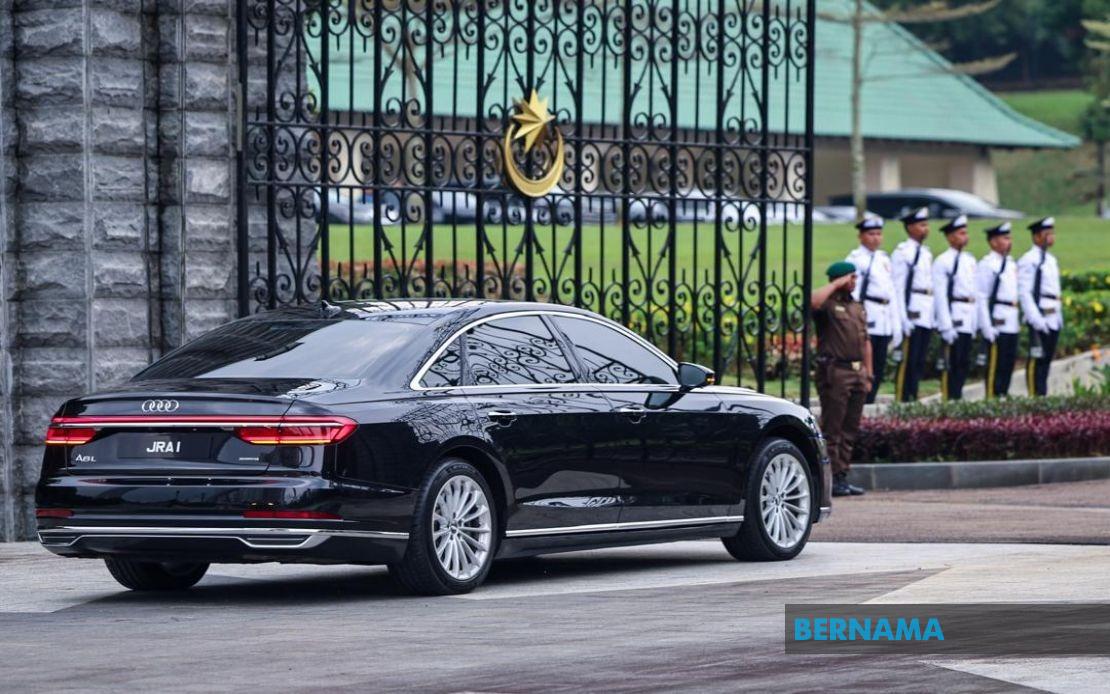
Datuk Onn Hafiz Ghazi, the Johor Barisan Nasional chairman representing the Machap constituency, made his way to Istana Bukit Serene in Johor Bahru on the afternoon of July 12 to be sworn in as the state's new Menteri Besar. The prominent political figure's arrival at the palace grounds at approximately 3.40 pm capped a significant day in Johor's political calendar, with his appointment representing a decisive mandate from voters who rewarded the ruling coalition at the ballot box just hours earlier.
The Machap assemblyman had departed from the Menteri Besar's official residence in Saujana at 3.35 pm, with his motorcade drawing the attention of journalists who had positioned themselves since midday to document the historic transition. The palace itself, recognising the ceremonial importance of the occasion, had issued specific instructions to media outlets outlining that coverage would be restricted to designated areas at the Mahkota gate of Istana Bukit Serene, a standard protocol for royal and state ceremonies involving the Sultan.
Onn Hafiz's elevation comes on the heels of Barisan Nasional's commanding performance in the 16th Johor State Election, held the previous day. The coalition secured an overwhelming 48 of the 56 state assembly seats available, a landslide result that left little doubt about the direction of Johor's leadership. This decisive electoral endorsement provided the incoming Menteri Besar with substantial political capital and a clear indication that voters had confidence in the BN's vision for the state's future development and governance.
The swearing-in ceremony itself represented more than a routine transfer of power within the state administration. It marked the formal establishment of a new political administration in one of Malaysia's most economically significant states, a region that contributes substantially to the nation's industrial and manufacturing output. The ceremonial proceedings at the historic palace, one of the most iconic state buildings in the country, underscored the constitutional and symbolic weight attached to the position of Menteri Besar within Malaysia's federal structure.
The security arrangements visible around the palace grounds throughout the afternoon reflected both the importance of the occasion and standard protocols for high-level state functions. Government officials, security personnel, and media representatives converged on the location to witness the proceedings, creating the formal atmosphere typically associated with such constitutional moments. The controlled access points and restricted media coverage zones demonstrated the careful orchestration required to balance public interest in state affairs with the privacy and dignity customary for such ceremonial occasions.
For observers of Malaysian politics, Onn Hafiz's appointment as Menteri Besar carries significance beyond the immediate state context. Johor has long been considered a bellwether for national political trends, with electoral outcomes in the southern state frequently offering insights into broader shifts in public sentiment across Malaysia. The BN's decisive performance in the recent election, coupled with the smooth transition of power reflected in the Istana Bukit Serene ceremony, suggested a consolidation of support for the ruling coalition in this crucial state.
The appointment also carries implications for the internal dynamics within Barisan Nasional itself. With Onn Hafiz assuming the Menteri Besar position, questions about coalition cohesion, power-sharing arrangements among component parties, and the direction of state-level policy under the new administration would inevitably shape political discourse in the coming months. His elevation represented not merely a change in personnel but potentially a shift in priorities and emphasis within Johor's governance framework.
For Johor's business community and residents, the swearing-in ceremony marked the beginning of what would be a fresh mandate period for state leadership. The incoming administration would inherit both opportunities and challenges, including questions about economic diversification, infrastructure development, and social policies affecting millions of people across the state. The emphatic electoral victory provided the new Menteri Besar with a degree of political flexibility in setting agendas and pursuing initiatives that his administration deemed priorities.
The timing of the ceremony on July 12, merely hours after the electoral results had been announced and processed, reflected the efficiency with which Malaysia's constitutional and political systems facilitate transitions of power. Unlike some democracies where such processes may stretch over weeks or months, the rapid movement from election day to the formal swearing-in of the winning coalition's chosen leader demonstrated the well-established procedures governing state-level administrations within the Malaysian federal framework.
As Onn Hafiz crossed the threshold into his new role, the Johor administration entered a new chapter. The Machap assemblyman's previous experience within state politics and his position as BN chairman suggested he was not unfamiliar with the complexities of managing a state government. Nevertheless, the swearing-in ceremony at Istana Bukit Serene symbolised the beginning of formal accountability for implementing the vision that had resonated with voters in the recent election, setting the stage for the administration's performance over the mandate period ahead.

