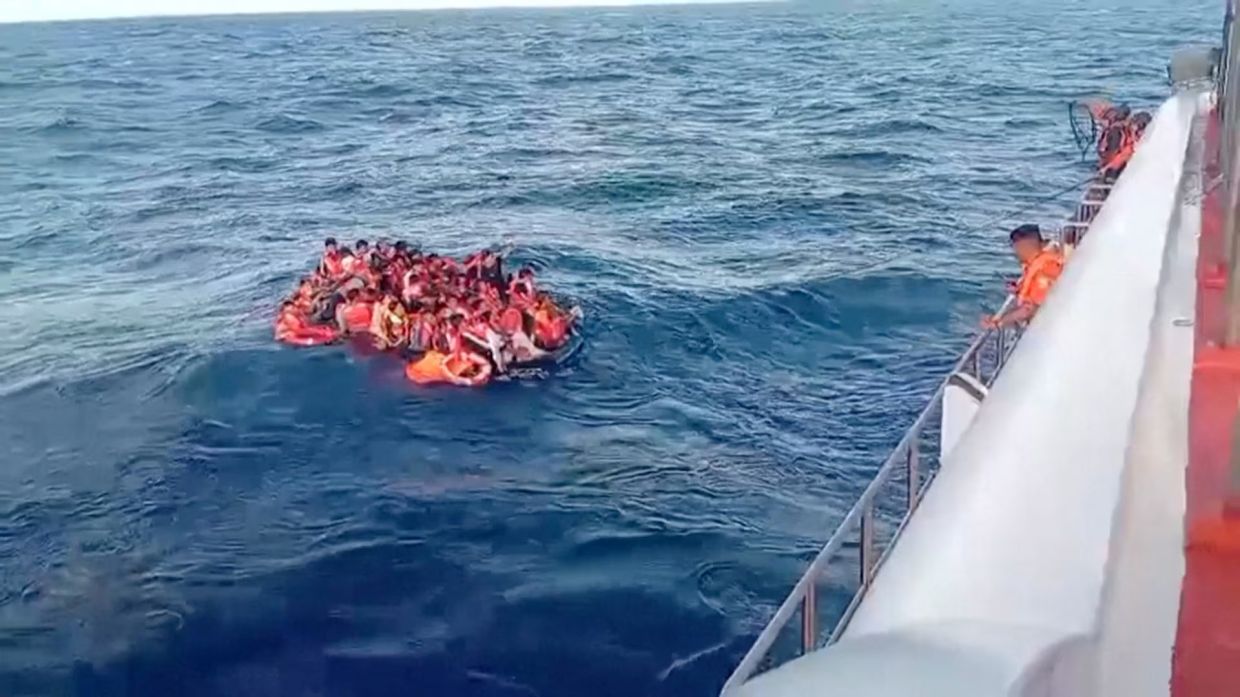
A passenger ferry erupted in flames near Bali on Wednesday morning, claiming one life and forcing authorities to mobilise one of the archipelago's largest coordinated rescue operations. The Putri Yasmin caught fire at approximately 4:15 a.m. local time whilst travelling from Bali to the neighbouring island of Lombok, prompting what local authorities have described as a swift and successful evacuation of 211 people to safety. One Indonesian woman was confirmed dead in the incident, according to an official statement released by regional authorities on Thursday morning.
The scale of the rescue operation underscores both the complexity of maritime emergencies in Indonesia and the readiness of the country's emergency response agencies. Personnel from the National Search and Rescue Agency, the Indonesian Navy, maritime police, and nearby civilian vessels coordinated efforts to extract passengers and crew from the burning vessel and transport them to ports on both Bali and Lombok. Survivors were distributed across both destinations, with the evacuation described as having proceeded without significant further incident.
However, the incident has exposed potential gaps in maritime record-keeping and passenger accountability. The ferry's manifest indicated 131 people aboard, including 17 crew members, yet authorities later established that a considerably larger number of unregistered passengers were present when the fire broke out. This discrepancy raises questions about how thoroughly operators are monitoring occupancy on inter-island routes, a recurring concern in Indonesia's ferry sector where informal travel arrangements and overcrowding have contributed to past disasters.
Investigations into the cause of the blaze have already commenced, with the National Transportation Safety Committee taking the lead alongside the Lembar Port Authority. At this stage, no preliminary findings have been released regarding what sparked the fire or whether the vessel's age, maintenance protocols, or operational practices played any role in the emergency. Assessments of material losses—encompassing the ferry itself, vehicles transported aboard, and cargo—remain ongoing and have not yet been quantified.
The incident reflects persistent vulnerabilities in Indonesia's maritime transport network, which remains essential for connecting the nation's sprawling 17,000-island archipelago. Despite ferries' critical role in linking communities and enabling trade across Southeast Asia's largest economy, safety standards have long been criticised as inconsistent. Poor enforcement of regulations, ageing vessels operating beyond their intended lifespan, and unpredictable weather patterns in equatorial waters have historically combined to produce tragedies that claim dozens or even hundreds of lives.
For Malaysian observers and those across the region, the Putri Yasmin incident serves as a sobering reminder that maritime safety remains a shared regional challenge. The Bali-Lombok route itself carries considerable passenger traffic, with thousands of tourists and locals traversing the strait weekly. The fact that evacuation succeeded with only one fatality may owe as much to the vessel's proximity to major ports and the swift response of rescue agencies as it does to safety design or protocols.
The discrepancy between registered and actual passenger numbers is particularly noteworthy for Southeast Asian shipping authorities. Accurate manifests are fundamental to emergency response, allowing rescue coordinators to ascertain how many people require assistance and whether anyone remains unaccounted for. Indonesia's ferry operators, many of which serve remote communities with limited transport alternatives, face pressure to maximise revenue, a dynamic that can incentivise overlooking unregistered passengers or operating with surplus capacity.
Authorities in both Bali and Lombok have not yet announced whether additional safety inspections will be conducted on sister vessels operated by the same company or whether new regulations will be introduced to tighten passenger monitoring. The National Transportation Safety Committee's investigation will likely focus not only on the immediate cause of the fire but also on whether the vessel maintained proper documentation, safety equipment, and crew training standards.
The rescue itself highlights the resourcefulness of Indonesia's maritime sector, where neighbouring vessels and commercial operators frequently assist in emergencies given the distances involved and the limited formal infrastructure across many routes. This informal safety net, whilst admirable, underscores that formal mechanisms remain inadequate to prevent such incidents from occurring in the first place. Moving forward, the findings from the investigation may reshape how ferry operators approach passenger registration, vessel maintenance, and crew preparation for maritime emergencies.

