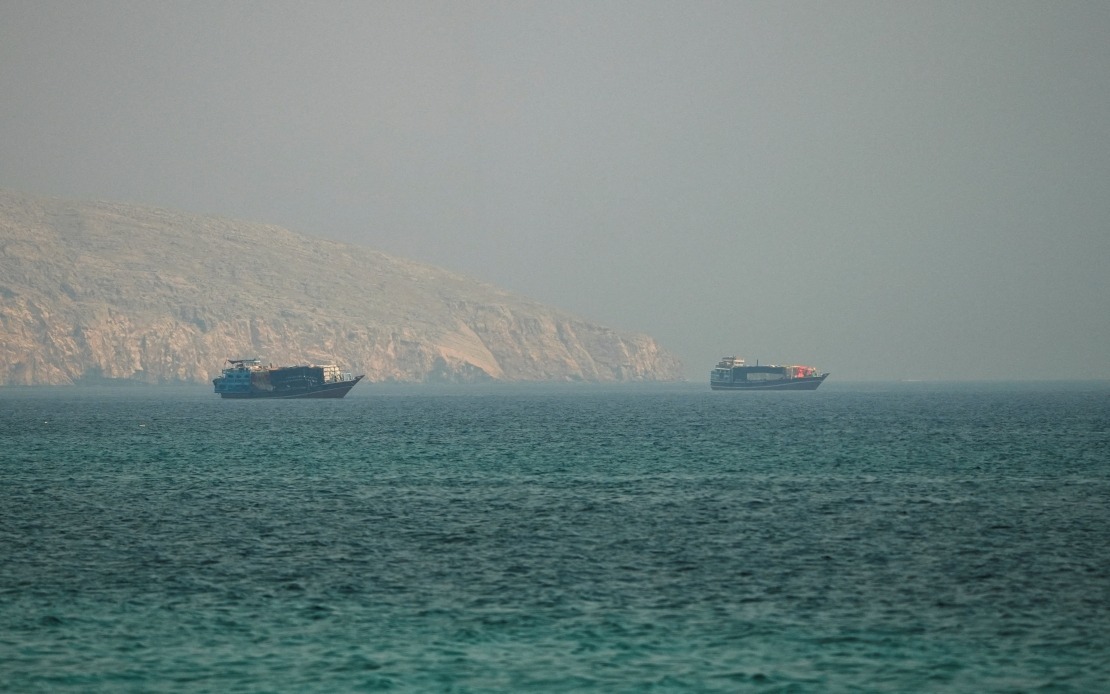
Oman has formally rejected the imposition of compulsory transit fees on ships navigating the strategically critical Strait of Hormuz, signalling instead a preference for voluntary fee structures tied to specific maritime services. An Omani delegation made this position clear during the 137th session of the International Maritime Organisation Council, which convened in London from July 6 to 10, emphasising the sultanate's commitment to established international maritime principles governing passage through contested waterways.
The Omani stance represents a carefully calibrated middle position in an escalating dispute over toll arrangements in one of the world's most vital shipping corridors. Recent reporting indicated that Oman had submitted proposals to the United States and other Western nations outlining a framework where shipping companies would make voluntary contributions to support navigational infrastructure and safety services rather than facing mandatory levies. This voluntary approach draws conceptual inspiration from existing fee structures already operational in the Strait of Malacca and Singapore, waterways that have successfully balanced commercial interests with environmental and security concerns.
Oman's diplomatic positioning reflects the sultanate's strategic location as a neighbour and key mediator in the Persian Gulf. The country maintains long-standing relationships with all parties involved in Hormuz navigation disputes, including Iran on one side and various Western maritime powers on the other. By advocating for voluntary arrangements rather than mandatory systems, Oman appears to be seeking a consensus solution that could satisfy shipping industry concerns about unpredictable costs while addressing legitimate regional security and infrastructure requirements.
The distinction between mandatory and voluntary fee structures carries profound implications for global maritime commerce. Mandatory transit tolls essentially function as taxation on international shipping, raising complex questions about sovereignty, freedom of navigation, and the legitimacy of toll-collecting authorities under international law. Voluntary contribution models, by contrast, preserve the principle of free passage while incentivising payment through recognition of genuine service provision benefits. This framing may prove more palatable to the international maritime community and major shipping nations concerned about precedent-setting for other chokepoint waterways.
During the same IMO Council session, the United Arab Emirates alongside several other nations presented a formal proposal condemning reported transit tolls that Iran has allegedly imposed on vessels transiting the Strait of Hormuz. Iran's toll policies have been a consistent source of friction within the international shipping community, with various maritime authorities and trading blocs questioning both their legal basis and their practical implementation. These condemnatory proposals underscore deep divisions among regional and maritime powers regarding acceptable governance arrangements for Hormuz navigation.
In response to the UAE-backed proposal, Iran submitted its own diplomatic submission asserting that it has maintained ongoing consultations with Oman regarding management frameworks and coordination mechanisms for administering the waterway in accordance with international law and applicable domestic regulations. This statement suggests that Iran views the toll question as negotiable and subject to bilateral or multilateral discussion, though it does not explicitly abandon or modify existing toll arrangements. The Iranian position notably singles out Oman as a cooperative partner, implying that Muscat's role as an intermediary may be gaining traction among all parties.
Oman's reaffirmation of the international law principle of transit passage carries particular weight in this context. Transit passage—the right of vessels to pass through international straits without interference for the purpose of traversing from one part of the high seas to another—represents a foundational element of modern maritime law. By anchoring its position to this established principle, Oman emphasises that any legitimate fee arrangement must complement rather than contradict the underlying freedom of navigation that underpins global maritime commerce.
For Malaysian readers and Southeast Asian stakeholders, these developments in the Hormuz dispute carry direct relevance. The Strait of Malacca and Singapore Strait, which anchor regional shipping networks and serve as models for Oman's proposed voluntary framework, handle enormous volumes of regional and global trade. Any precedent established regarding toll collection, fee structures, or navigational governance in Hormuz could eventually influence discussions about enhanced cost-recovery mechanisms or security arrangements in comparable Southeast Asian waterways. Malaysia's position as a major maritime nation and stakeholder in Malacca Strait governance makes this regional debate consequential for long-term shipping policy.
The Omani proposal also reflects sophisticated understanding of how voluntary contribution systems can function effectively without legal compulsion. The Strait of Malacca arrangement, which Oman explicitly cited as a model, has generated cooperative funding for navigational aids, safety infrastructure, and anti-piracy measures without establishing formal toll gates. This model preserves shipping industry goodwill while ensuring adequate funding for essential maritime services. If adopted in Hormuz, such an approach could potentially de-escalate regional tensions by framing fee collection as service provision rather than tribute or taxation.
Oman's diplomatic engagement on this issue reflects its broader role as a stabilising force within the fractious geopolitical environment of the Persian Gulf. The sultanate maintains formal neutrality in many regional disputes while developing pragmatic relationships across sectarian and political divides. By proposing voluntary contribution models and working closely with both Iran and Western maritime powers, Oman positions itself as a problem-solver rather than an advocate for any particular bloc. This approach may prove essential for achieving consensus on Hormuz governance arrangements that all parties can eventually accept.
The IMO Council discussions demonstrate that maritime chokepoint governance remains contested terrain in international relations. While Oman's voluntary fee proposal offers a potentially workable compromise, the deeper question of who legitimately exercises governance authority over contested waterways remains unresolved. Future negotiations will likely determine whether Oman's middle-path approach gains broader support or whether more hardline positions regarding mandatory tolls and free passage ultimately prevail, shaping maritime policy frameworks for years to come.

