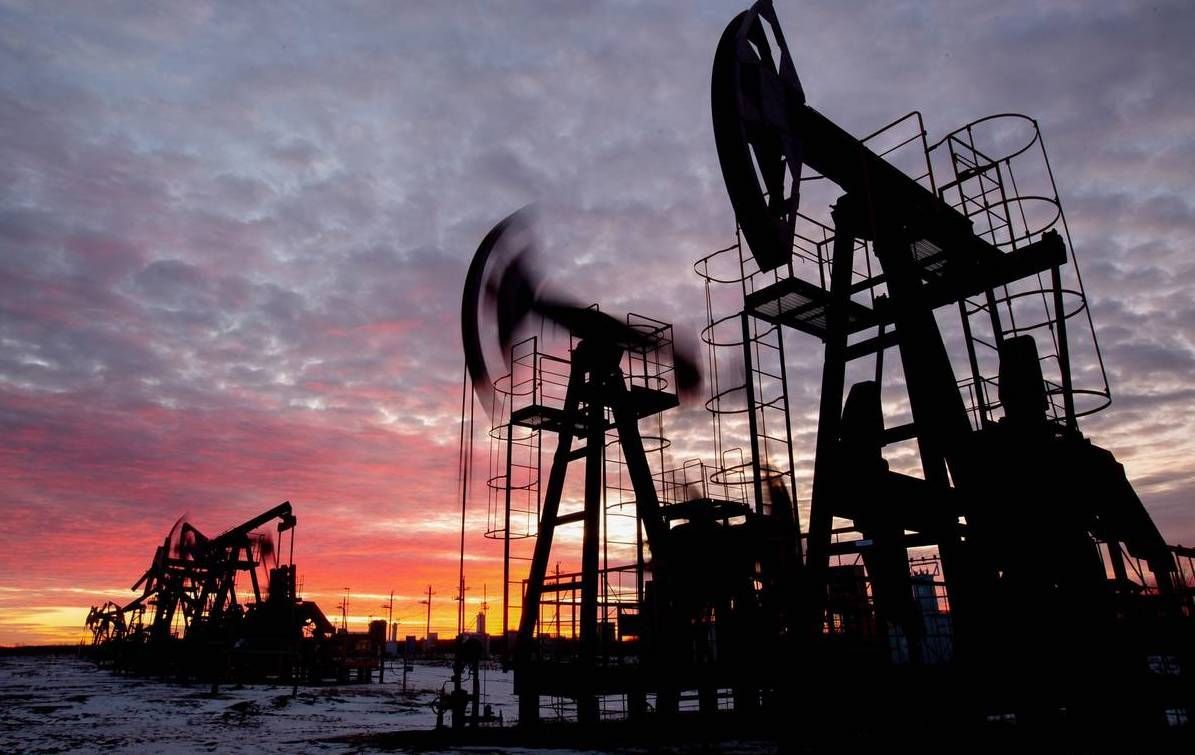
Crude oil markets posted modest gains on Wednesday as geopolitical tensions in the Middle East continued to support prices, yet the upward momentum remained constrained by cooling demand expectations from major forecasters. Brent crude futures ended the session 7 cents higher at US$88.98 per barrel, while West Texas Intermediate crude advanced by the same margin to US$83.27, reflecting the tentative sentiment gripping international energy markets. The incremental price movement underscores a market caught between supply concerns stemming from regional instability and demand worries that could limit crude consumption going forward.
A breakdown in negotiations between Washington and Tehran contributed to the day's price action, with a senior Iranian official informing Reuters that discussions to prolong their temporary ceasefire arrangement had stalled. From Iran's perspective, the fundamental issue centres on the ceasefire agreement lacking a clearly defined start date, which Tehran argues renders any extension discussions premature or meaningless. This diplomatic impasse raises questions about the sustainability of current regional accommodations and whether further escalation could disrupt energy supplies from one of the world's most important oil-producing zones.
Simultaneously, maritime security concerns continued to weigh on traders' minds. Reports emerged of fresh attacks on commercial vessels transiting through the Strait of Hormuz and the Bab el-Mandeb Strait on Tuesday, two waterways critical for petroleum exports from the Persian Gulf and surrounding regions. These chokepoints work in tandem with the Suez Canal to form the primary arteries through which Middle Eastern hydrocarbons reach global markets. The frequency and persistence of such incidents have created a persistent risk premium in crude prices, though this premium appears moderate given the magnitude of potential disruptions.
The erosion of shipping traffic through key maritime passages illustrates the tangible economic consequences of ongoing regional tensions. Data on vessel movements through the Strait of Hormuz revealed a significant contraction, with only eight ships transiting the waterway on Tuesday—the lowest weekly tally recorded in the preceding seven days. This pales dramatically when compared to historical norms; before the broader conflict in the region escalated, between 125 and 140 vessels navigated this critical strait daily. Such a substantial decline in throughput directly impacts crude supply flows and creates bottlenecks that force refineries to adjust their operational strategies.
XS.com business development chief Simon-Peter Massabni articulated market sentiment succinctly, noting that investors increasingly doubt a near-term diplomatic breakthrough capable of stabilising crude flows or preventing renewed hostilities. This scepticism about resolution prospects contributes to persistent uncertainty that, while supporting prices to some degree, prevents the sustained rallies typically associated with major supply disruption concerns. The market appears to be pricing in a prolonged period of underlying fragility rather than catastrophic disruption.
However, the demand side of the equation presented headwinds that ultimately limited price appreciation. The Organisation of the Petroleum Exporting Countries released its monthly assessment, reducing its world oil demand growth projection for 2026 to just 580,000 barrels per day. This markdown reflects broadening concerns about economic growth trajectories and refiners' capacity to absorb crude supplies given disrupted transportation networks. Such demand revisions carry significant weight for markets accustomed to OPEC's influential forecasting role.
The International Energy Agency painted an even more cautious picture regarding 2026 consumption patterns. The Paris-based authority cut its demand projections and now anticipates a contraction of 1.6 million barrels per day this year. Yet the IEA simultaneously forecasts a 4.3 million barrel daily decline in global supply, positioning markets for a potential deficit of approximately 1.27 million barrels daily throughout the year. This asymmetry between falling supply and falling demand creates an intriguing dynamic that could either support prices if supply drops prove more severe than anticipated, or depress them if demand destruction accelerates.
The demand reduction reflects structural challenges facing refineries, particularly those concentrated throughout Asia, which have struggled to secure adequate crude supplies given maritime transit complications. Simon Wong, a portfolio manager at Gabelli, highlighted this dynamic while raising a crucial longer-term question: the distinction between temporary demand management and permanent demand destruction. Refineries facing supply constraints have deliberately reduced operational runs, a reversible response once conditions normalise. However, Wong expressed reservations about whether all temporarily suppressed demand will resurface following resolution of regional hostilities, suggesting that some consumption patterns may have fundamentally shifted.
The complex interplay between supply disruptions and demand pressures manifested in unexpected inventory developments. The Energy Information Administration reported that US crude stocks swelled unexpectedly, recording their largest weekly accumulation since January 2023. Rather than reflecting strong demand, this buildup primarily resulted from collapsing crude exports coupled with a surge in imports. Weak export performance suggests domestic refineries are struggling to move products, possibly due to reduced international buyer appetite or logistical constraints, while rising imports indicate efforts to secure adequate feedstock despite supply chain complications elsewhere.
For Malaysian and Southeast Asian energy markets, these dynamics carry substantial implications. Refineries throughout the region depend heavily on Middle Eastern crude supplies and face direct exposure to maritime security risks. Supply disruptions or sustained price volatility could affect both operating costs and profitability. Additionally, weakening demand projections, particularly if they reflect declining growth assumptions, carry broader economic significance for export-dependent economies. Policymakers monitoring inflation and growth prospects must contend with crude price uncertainty stemming from both geopolitical factors and shifting global economic expectations, factors largely beyond regional control.

