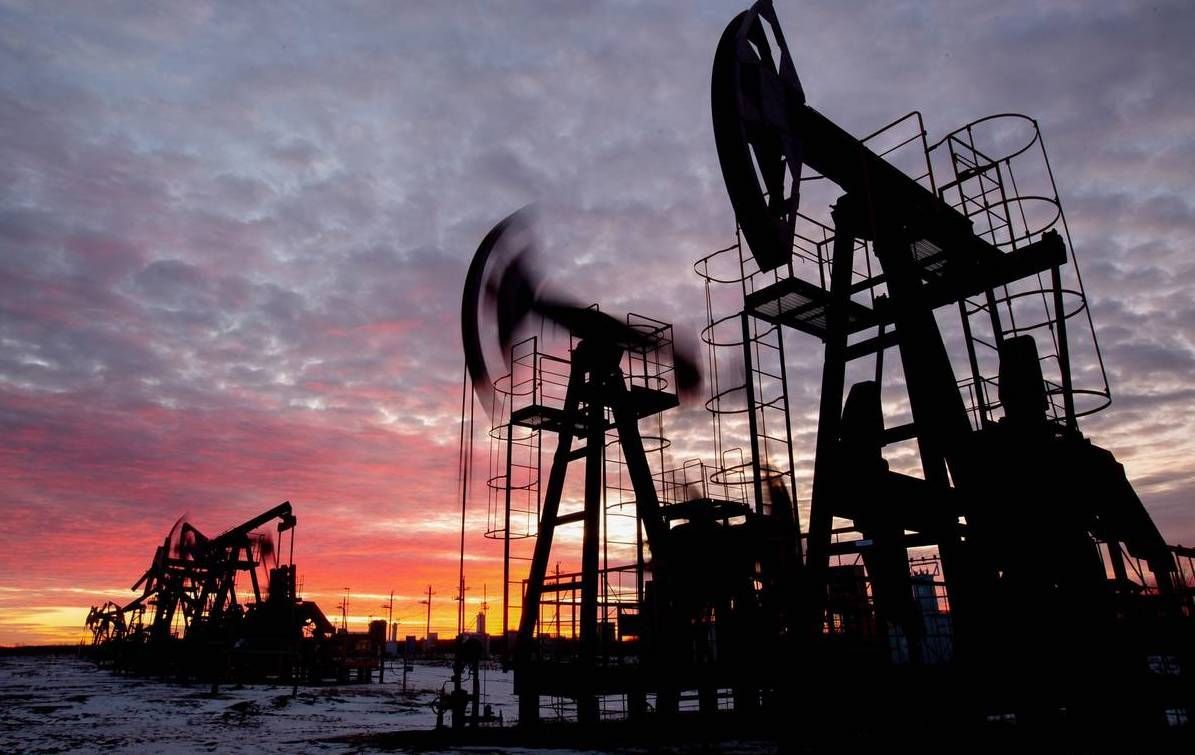
Crude oil prices posted a sharp recovery on Thursday, ending a three-day losing streak as markets reassessed the likelihood of a comprehensive Iran nuclear settlement. Brent crude futures climbed US$1.86 to close at US$89.70 per barrel, representing a 2.1% advance, while US West Texas Intermediate crude added US$1.30 to finish at US$83.53. The rally reflected a fundamental shift in investor sentiment following reports that US President Donald Trump has explicitly rejected any prospect of resurrecting a memorandum of understanding negotiated between Washington and Iran in June, effectively dampening optimism about imminent diplomatic breakthroughs.
According to a Wall Street Journal report citing individuals with direct knowledge of administration deliberations, the Trump administration has repeatedly conveyed through intermediaries that it harbours no appetite for reviving the June agreement. This unequivocal messaging has effectively undermined a flurry of behind-the-scenes diplomatic initiatives undertaken throughout the week by other parties attempting to restart substantive negotiations between the two nations. The clarity of Trump's position contrasts sharply with earlier speculation that mounting international pressure might nudge Washington towards renewed engagement with Tehran.
Trump himself reinforced this stance during remarks to reporters in the Oval Office, bluntly stating that the United States has no desire for dialogue. "We don't want to speak to them. We're not looking to meet or anything," he said, emphasising instead that Washington intends to pursue an aggressive economic punishment strategy targeting Iran while simultaneously penalising any third countries that maintain commercial relationships with the Islamic Republic. This hardline posture represents a deliberate choice to prioritise coercive measures over negotiated settlement.
The administration's commitment to economic pressure crystallised earlier in the week when Washington announced what officials termed the "toughest sanctions in history" against Iran. Treasury Secretary Scott Bessent suggested that the severity of these sanctions would reduce reliance on large-scale military operations, implying that economic strangulation might serve as a substitute for kinetic conflict. The escalating sanctions regime signals Trump's preference for financial warfare as a tool to constrain Iranian regional activity and undermine Tehran's ability to sustain its economy.
Iranian officials have responded with defiant rhetoric whilst simultaneously acknowledging the mounting pressure. Ebrahim Azizi, chairman of the Iranian parliament's national security committee, characterised the sanctions as "inhumane and hostile acts," yet contended that such measures have become increasingly ineffectual in constraining Iranian behaviour. This rhetorical positioning allows Tehran to maintain domestic credibility whilst tacitly recognising the genuine economic hardship these measures impose.
International diplomatic efforts have not ceased entirely despite Trump's public rejection. On Thursday, Qatar's Prime Minister travelled to Tehran with the explicit objective of attempting to catalyse renewed talks aimed at terminating the ongoing US-Israeli conflict with Iran, which approaches its six-month mark. Iran's top security official Mohsen Rezaei responded by warning that Tehran would directly target American military installations and economic assets should Washington engage in what he characterised as "mischief" during the Qatari-brokered negotiations. Such warnings underscore the precarious equilibrium that currently exists in the region.
The persistent standoff over Iran's nuclear programme remains the fundamental dispute preventing resolution. According to Priyanka Sachdeva, head of market insights at Phillip Nova, Iran's nuclear ambitions and the underlying technological capabilities involved are unlikely to yield to rapid diplomatic solutions. Compounding this technical complexity is Tehran's strategic leverage derived from its geographical position, particularly its command over the Strait of Hormuz, one of the world's most critical maritime chokepoints. This convergence of unresolved nuclear issues and geographical leverage ensures that protracted uncertainty will likely characterise the relationship.
The Strait of Hormuz's strategic importance cannot be overstated. Prior to the eruption of conflict in late February, the waterway facilitated roughly one-fifth of global daily oil and liquefied natural gas transportation. Recent vessel tracking data from Kpler reveals that transit volumes remain depressed, with only ten commodity vessels passing through on Wednesday compared to a ten-day average of fifteen vessels. This persistent traffic reduction underscores the lingering uncertainty affecting shipping patterns and market confidence. The vessels that did transit included medium-range fuel tankers, bitumen carriers, and bulk freighters, suggesting that certain essential cargoes continue moving despite broader hesitancy.
Regional refinery operations continue recovering from previous disruptions. Kuwait Integrated Petroleum Industries Company successfully restarted all three crude processing units at its Al-Zour refinery, a facility with 615,000 barrels-per-day capacity, operating at 60% utilisation as of mid-August. The refinery had sustained damage from Iranian drone strikes during May, underscoring how regional military tensions directly impact petroleum infrastructure and supply chains. This restoration of Kuwaiti refining capacity provides marginal supply increases but cannot fully compensate for broader supply uncertainties.
Global geopolitical tensions extend beyond the Middle East conflict. Russia has issued warnings that it might strike British military positions both within and outside Ukrainian territory in retaliation for Ukraine's deployment of British-supplied long-range cruise missiles against Russian territory. These escalating threats between nuclear-armed powers inject additional uncertainty into global markets beyond energy supplies. Trump, however, has publicly stated his conviction that Putin will not attack NATO member states, simultaneously downplaying intelligence community warnings that CIA Director John Ratcliffe allegedly conveyed to Russian officials this week cautioning against such attacks. Britain, as a NATO founding member, represents precisely the type of alliance partner whose security directly affects transatlantic stability and market confidence.

