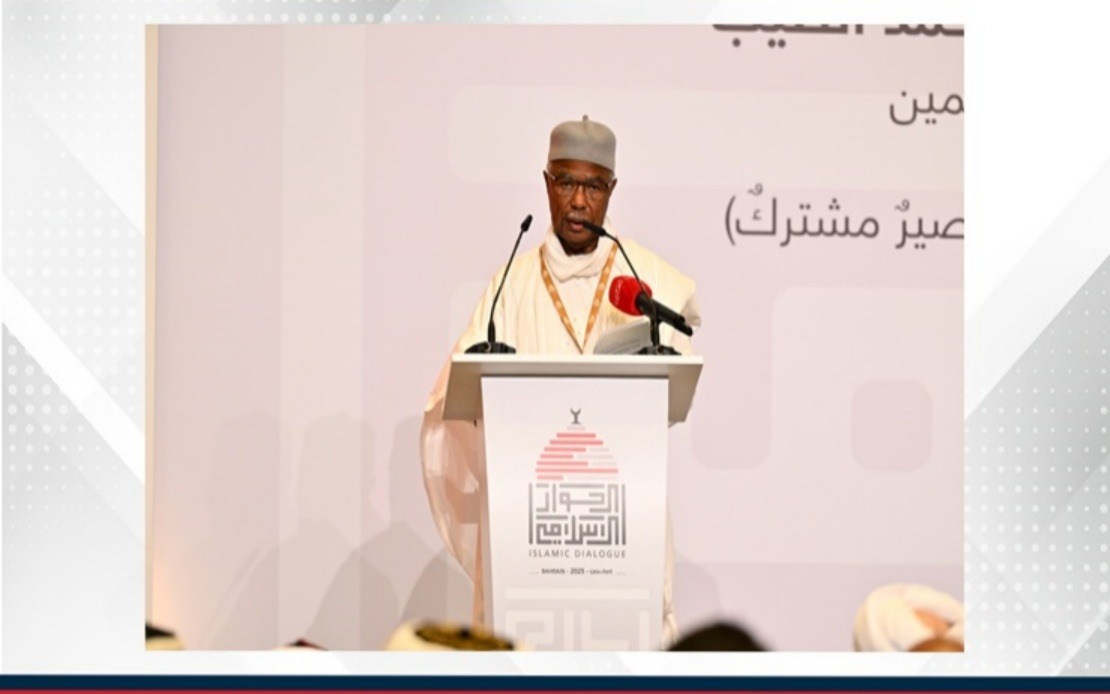
The Organisation of Islamic Cooperation on Friday formally welcomed the signing of a landmark defense agreement linking Turkey, Saudi Arabia, and Pakistan, positioning the trilateral pact as a significant move toward enhanced regional security and stability. The endorsement from the 57-member bloc underscores growing recognition of the three nations' efforts to forge closer military and strategic ties at a time of heightened geopolitical tensions across the Muslim world and beyond.
OIC Secretary-General Sharein Brahim Taha offered his backing for the Mecca Joint Defense Agreement, which was executed at the Al-Safa Palace in Saudi Arabia's holy city during a summit attended by Turkish President Recep Tayyip Erdogan, Saudi Crown Prince Mohammed bin Salman, and Pakistani Prime Minister Shehbaz Sharif. In his statement, Taha characterised the accord as an "important strategic step" that reflects the three signatories' commitment to deepening regional cooperation while maintaining ties with the international community. The OIC chief's response signals that the agreement enjoys support from a broad cross-section of Islamic nations, many of whom view such frameworks as beneficial for collective security arrangements.
According to Taha, the pact constitutes a foundational element for safeguarding peace and security throughout the region and the wider Islamic world. His language suggests that the OIC views the agreement not merely as a bilateral or trilateral matter, but as a template for how Muslim-majority nations might strengthen ties and address shared security concerns through institutionalised cooperation. This framing is significant for Southeast Asian countries with substantial Muslim populations, as it reflects how regional defense arrangements among Islamic nations are increasingly seen as legitimate and necessary.
The agreement embodies what Taha described as a "shared determination" among the three countries to confront mounting security threats while reinforcing solidarity and constructive engagement across the OIC membership. This language points to a recognition that security challenges—whether related to terrorism, regional conflicts, or geopolitical competition—cannot be addressed unilaterally. Instead, the accord represents an attempt to build multilateral frameworks that allow nations to pool resources and coordinate responses to threats affecting their collective interests.
The Mecca Joint Defense Agreement stipulates that armed aggression against any one of the three signatory nations shall be treated as an attack against all three, mirroring mutual defense clauses found in traditional alliance structures. This provision represents a significant commitment, as it binds the defence capabilities and political will of three major regional powers—Turkey a NATO member and bridge between Europe and Asia, Saudi Arabia the Arab world's largest economy and custodian of Islam's holiest sites, and Pakistan a nuclear-armed nation with 230 million people. Such a framework could substantially alter regional military dynamics and crisis response protocols.
Turkish officials have publicly stated that the agreement targets no specific country and is designed to reinforce commitments to regional and global peace through burden-sharing and coordinated security approaches. This disclaimer appears aimed at reassuring other nations in the region, particularly Iran and other parties concerned about encirclement or exclusion from security arrangements. However, the establishment of a collective defense mechanism inevitably creates new strategic alignments that other regional actors will view through a competitive lens.
The timing of the agreement carries weight given the current state of Middle Eastern and South Asian politics. Turkey has been reassessing its regional role following the Syrian conflict and subsequent normalization efforts with various Arab states. Saudi Arabia continues to navigate complex relationships with Iran, Yemen's Houthi movement, and other non-state actors, while Pakistan faces persistent security challenges on its western border and ongoing tensions with India. The convergence of these three nations around a formal defense pact suggests a deliberate effort to construct a counterbalance to other regional configurations and address shared vulnerabilities.
For Malaysia and other Southeast Asian nations, the agreement carries implications for how Islamic-majority countries are organizing themselves on security matters. The success or evolution of the Mecca framework could influence discussions within ASEAN about defense cooperation mechanisms and how Muslim-majority members such as Malaysia, Brunei, and Indonesia might structure their own multilateral security arrangements. The precedent of a major defense pact among non-aligned Islamic nations operating outside traditional Western-dominated security structures may encourage similar initiatives elsewhere.
OIC Secretary-General Taha's expression of hope that the pact would advance peace and prosperity across the region and the wider international community suggests that the organization views such agreements as potential stabilizing forces. However, the real test will lie in how the three signatories operationalize the agreement—whether through joint military exercises, intelligence sharing, defense industrial cooperation, or coordinated diplomatic responses to regional crises. These practical steps will determine whether the agreement remains primarily symbolic or becomes a substantive framework reshaping regional security architecture.
The agreement also highlights the growing agency of non-Western powers in constructing their own security frameworks independent of traditional alliance structures. Rather than seeking membership in existing multilateral defense arrangements, Turkey, Saudi Arabia, and Pakistan have chosen to build a bespoke mechanism reflecting their specific strategic interests and threat perceptions. This approach may serve as a model for other regional groupings seeking to formalize cooperative arrangements tailored to their unique circumstances and priorities.

