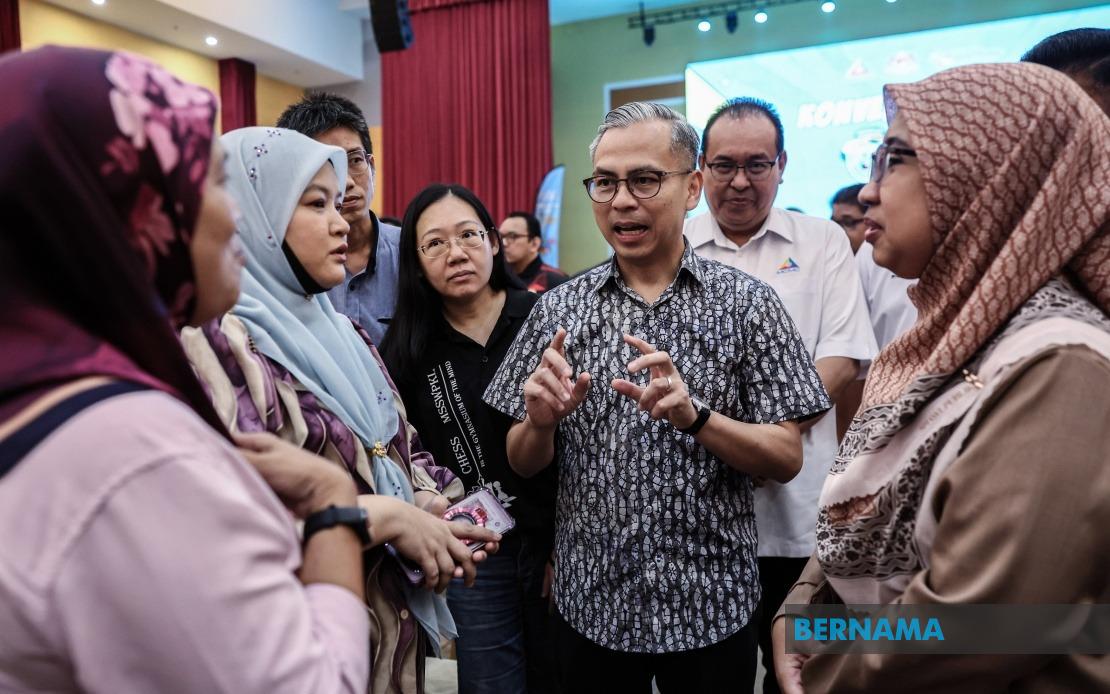
PKR's organisational machinery will continue uninterrupted following the party leadership's decision to grant Nurul Izzah Anwar temporary leave from her role as deputy president, according to Information chief Datuk Seri Fahmi Fadzil. The PKR Central Leadership Council approved her request to step back temporarily while she focuses on personal matters and her doctoral studies, rejecting her initial resignation proposal in favour of a leave arrangement that preserves her party membership and standing.
Responsibilities associated with the deputy presidency have been transferred to vice-president Datuk Seri Saifuddin Nasution Ismail, ensuring continuity in the party's administrative and strategic functions. This delegation model allows PKR to maintain its operational rhythm without gaps in decision-making or oversight during a period when the party remains a critical component of Malaysia's Unity Government coalition. Fahmi emphasised during a press conference that Nurul Izzah's absence from active duty is temporary in nature, stressing that she intends to return to her party responsibilities once her academic and personal commitments are fulfilled.
The distinction between resignation and leave carries significant political weight in Malaysia's party structures. By preserving Nurul Izzah's membership and keeping the door open for her return, PKR demonstrates both flexibility toward its senior officials' personal needs and strategic thinking about retaining institutional knowledge and political capital. The former Permatang Pauh MP's academic pursuits represent an increasingly common pattern among Malaysian political figures balancing governance with further education, though her decision to step back rather than juggle both responsibilities reflects the demands of her previous position.
Regarding separate speculation about Subang MP Wong Chen's parliamentary future, Fahmi clarified that no formal information has been shared within party circles about any intention to vacate the seat. He indicated that any such developments would require official notification through proper channels, specifically the Dewan Rakyat Speaker Tan Sri Johari Abdul. This measured response suggests PKR is neither confirming nor dismissing rumours, maintaining flexibility on internal parliamentary arrangements while awaiting formal declarations from relevant officials.
On the broader political timeline, Fahmi rejected suggestions that the next general election might occur earlier than anticipated, stating the government currently has no plans for an accelerated electoral schedule. The Federal Government's working assumption remains that polling will take place by the end of 2026 at the latest, giving the administration a defined window to implement its agenda. This timeline provides some planning certainty for both the government and opposition as they prepare campaign strategies and policy platforms.
The government's immediate focus centres on ensuring administrative stability and maintaining the fragile coalition dynamics that underpin the Unity Government. Fahmi acknowledged the ongoing commitment from various component parties to support Prime Minister Datuk Seri Anwar Ibrahim's leadership throughout the current term, a reassurance aimed at stakeholders concerned about potential defections or factional tensions. Such stability language is crucial in Malaysian politics, where coalition governments require constant management of potentially competing interests among member parties.
Within the broader Pakatan Harapan framework and the wider Unity Government arrangement, party leaders remain committed to advancing their reform agenda and continuing efforts to enhance national governance and economic performance. These reform initiatives extend across multiple portfolios and represent core promises made to Malaysian voters in previous campaigns. The emphasis on continued reform efforts suggests PKR views its current coalition positioning as an opportunity to implement substantive changes rather than merely holding power for its own sake.
One significant matter requiring ongoing attention involves implementing recommendations from the Royal Commission of Inquiry into Lembaga Tabung Haji covering the 2014 to 2020 period. This issue touches on management of Muslim pilgrimage funds and involves complex questions about accountability, financial stewardship, and institutional reform. Progress on such recommendations carries both political and practical implications for public confidence in government institutions and demonstrates the administration's commitment to addressing past governance concerns through systematic institutional improvement.
Fahmi hinted that Prime Minister Anwar Ibrahim would shortly make several announcements expected to generate positive responses from the Malaysian public and international observers. While the specific content remains undisclosed, such signalling typically precedes major policy initiatives, cabinet adjustments, or strategic government announcements. The deliberate advance notice suggests the government intends to shape the narrative around upcoming developments and build anticipation for announcements it believes will strengthen its political position.

