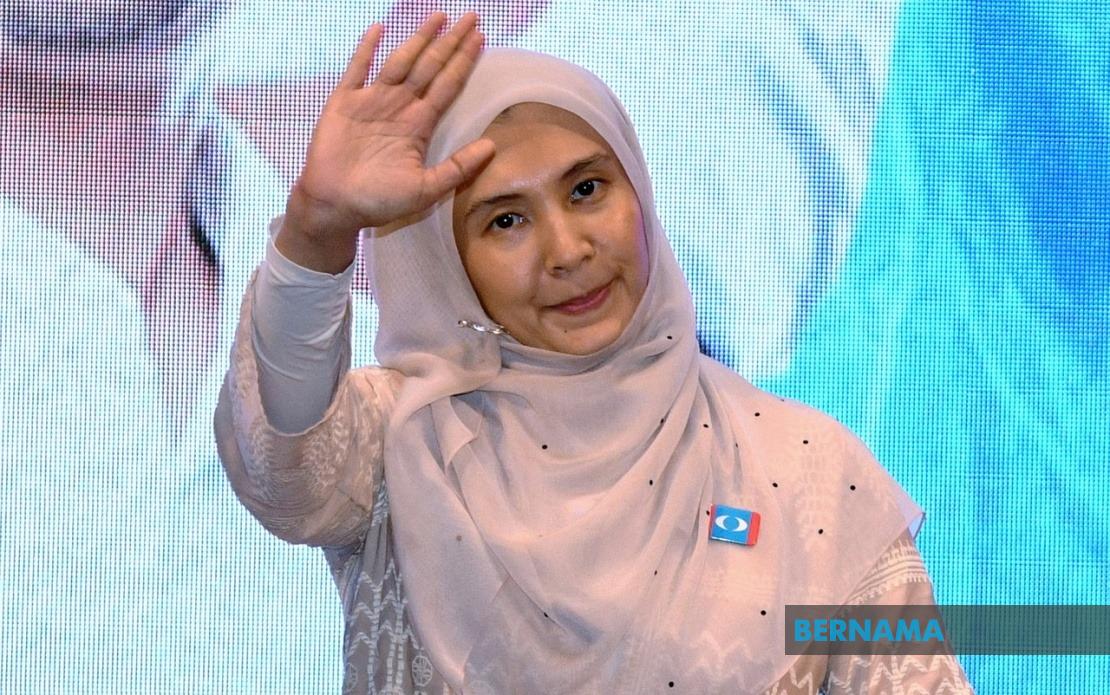
Nurul Izzah Anwar, the daughter of Prime Minister Anwar Ibrahim, has opted to step back from her position as PKR deputy president, citing her intention to dedicate herself to further studies while continuing to contribute meaningfully to her community outside the traditional political sphere. The decision, announced through a Facebook statement on August 6, represents a significant shift in the PKR leadership structure ahead of the party's national assembly.
The move comes at a crucial juncture for the coalition, with Nurul Izzah emphasizing that her departure from the formal role does not signal a withdrawal from party activism or the broader struggle for national development. Instead, she framed the decision as a deliberate choice to reallocate her time and energy, acknowledging that meaningful service to society can take many forms beyond holding executive office. This nuanced positioning suggests her commitment to PKR remains intact even as her immediate responsibilities evolve.
Nurul Izzah expressed profound gratitude to her father and the party hierarchy for respecting her request to stand aside, demonstrating the collaborative nature of the decision-making process within PKR's upper echelons. Her acknowledgment of party members at all organizational levels—from grassroots activists to senior leaders—underscores the deep network of relationships she has cultivated during her political tenure. The gratitude extended to party members for their trust, counsel, and personal sacrifices throughout her journey highlights the interconnected nature of Malaysian political culture, where personal decisions carry implications for broader party dynamics.
The PKR Central Leadership Council formally approved temporary leave from Nurul Izzah's deputy president duties, effective following the PKR National Congress scheduled for August 15-16 in Melaka. The designation of "temporary leave" rather than permanent resignation leaves the door open for her potential return to the position, suggesting flexibility in the arrangement and acknowledging the possibility that her academic commitments may eventually allow her to resume formal leadership responsibilities. This arrangement reflects pragmatic governance, allowing the party to maintain leadership continuity while respecting individual circumstances.
Datuk Seri Saifuddin Nasution Ismail, who previously served as PKR vice-president, will assume the role of acting deputy president. Saifuddin has a substantial track record in Malaysian politics and brings considerable experience to the position, having navigated complex coalition dynamics and served in various capacities within the party structure. His elevation represents a natural progression within PKR's hierarchy, though it does concentrate additional responsibilities on his shoulders during a period of ongoing political realignment within the government coalition.
Alongside this transition, Datuk Seri Amirudin Shari has been assigned expanded duties as PKR election director, further distributing leadership obligations among trusted senior figures. The strategic distribution of responsibilities suggests PKR's intention to prevent any power vacuum while ensuring that no single individual becomes overburdened. This approach to succession planning reflects lessons learned from previous periods of political instability and represents a more methodical approach to managing organizational change.
Nurul Izzah's decision must be contextualized within the broader challenges facing Malaysian politics and the PKR specifically. As the daughter of the Prime Minister, she has operated under intensified public scrutiny, with every professional move subjected to speculation about family dynamics and political strategy. Her choice to pursue further education addresses a practical gap in her qualifications while simultaneously sidestepping potentially divisive leadership contests that could fragment the party during a vulnerable period.
For Malaysian observers and regional political watchers, this development raises important questions about work-life balance within high-pressure political environments and the role of family members in governance structures. The relatively young age at which many Malaysian politicians assume senior positions means that opportunities for formal educational advancement often conflict with career progression. Nurul Izzah's decision prioritizes intellectual development, potentially positioning her for enhanced effectiveness in future roles by broadening her expertise and credentials.
The timing of this transition, occurring just ahead of the PKR National Congress in Melaka, suggests the party leadership wanted to present a unified and organized front to the membership. The congress will provide an opportunity for party members to assess the new leadership arrangements and offer their perspectives on the party's strategic direction. For PKR members, the congress represents a chance to demonstrate confidence in the new power-sharing arrangement and reaffirm their commitment to party objectives.
From a Southeast Asian perspective, this leadership adjustment within Malaysia's ruling coalition warrants attention as it may influence the stability and policy focus of the broader government. PKR's internal harmony directly impacts the functioning of the coalition administration, making smooth transitions in party leadership a matter of public interest. International observers often cite internal party management as an indicator of a government's broader competence and stability.
Looking forward, the success of this transition will depend on how seamlessly Saifuddin and Amirudin execute their expanded duties and whether Nurul Izzah's academic pursuits genuinely enhance her future contributions to PKR and national development. The arrangement also sends a message within Malaysian politics that personal development and career advancement need not always follow linear paths, potentially encouraging a more flexible approach to leadership succession planning across other political organizations.
The formal PKR National Congress in Melaka will provide the first significant test of party unity following these leadership changes, offering PKR members the opportunity to engage substantively with the party's vision and strategic priorities moving forward. How delegates respond to the transition and how the new acting leadership structures internal debates will reveal whether this arrangement represents a genuine strengthening of organizational capacity or merely a temporary accommodation.

