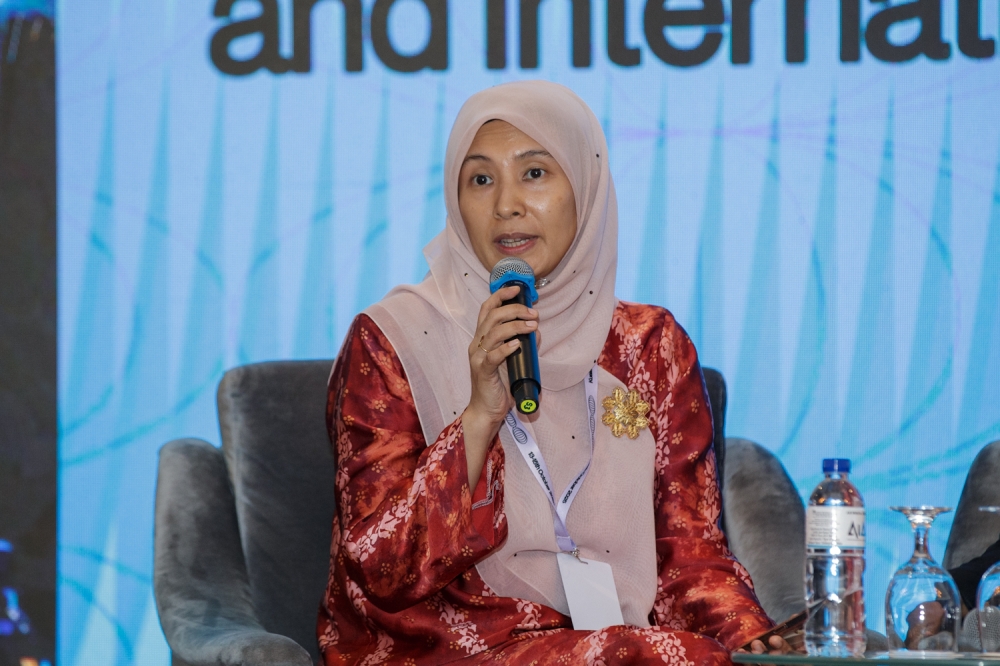
Nurul Izzah Anwar, long regarded as a key figure within PKR's leadership hierarchy, has stepped down from her position as deputy president to dedicate herself to academic pursuits. The move, announced in Kuala Lumpur, represents a notable shift in the People's Justice Party's internal power dynamics as it navigates the post-election political landscape and prepares for evolving party strategies.
The decision reflects a personal choice to return to formal education, a path that underscores the interplay between political ambition and individual development that characterises Malaysia's contemporary political climate. For Nurul Izzah, whose political trajectory has been closely watched by observers of the nation's democratic evolution, the departure from day-to-day party operations signals a recalibration of priorities at a crucial juncture for opposition politics.
PKR, which has been central to Malaysia's broader political realignment since 2018, faces questions about succession planning and institutional depth as senior figures reassess their commitments. The party's performance and positioning have remained subjects of intense scrutiny, particularly as it operates within the complex landscape of coalition politics and shifting voter expectations across the country.
Nurul Izzah's academic interests reflect broader trends among Malaysian political figures who increasingly balance public service with personal development. Her pursuit of further studies demonstrates that even high-ranking party officers recognise the value of advancing their intellectual credentials in an era where policymaking demands sophisticated understanding of complex global and domestic challenges.
The transition also raises important questions about how PKR will manage its middle and upper management tiers. The party has invested considerable effort in projecting itself as a modern, reform-oriented alternative to established political entities, and personnel decisions carry symbolic weight beyond their immediate administrative implications. Nurul Izzah's departure creates a vacuum that requires careful consideration of successor candidates and internal party dynamics.
From a broader Malaysian perspective, the development illustrates how even prominent political families navigate the competing demands of governance, party management, and personal aspirations. The Anwar family's continued prominence in PKR operations ensures that transitions within the party remain subjects of wider political interest and analysis.
Nurul Izzah's record as deputy president included involvement in various party initiatives and policy positions that reflected PKR's stated commitment to institutional reform and social justice concerns. Her departure means the party loses an experienced administrator with established networks and policy perspectives, though it simultaneously creates space for other figures to assume greater responsibility.
The timing of this transition occurs as PKR continues adapting to its role within Malaysia's current political configuration. The party must balance its representation of diverse constituencies with the practical requirements of institutional governance and strategic positioning. Leadership changes, even when announced as personal decisions, inevitably shape party momentum and public perception.
For observers of Malaysian politics, Nurul Izzah's decision offers insights into how political figures weigh long-term career development against immediate influence and responsibility. The choice to prioritise education suggests confidence that stepping back from formal party office does not diminish one's potential to influence political discourse and policy directions in Malaysia's developing democracy.
The departure also underscores the importance of institutional knowledge and succession management in political parties across Southeast Asia. As Malaysia's political system continues evolving, questions about how parties develop future leaders and maintain organisational stability become increasingly critical to democratic stability and competitive politics.
PKR's response to this leadership transition will likely include formal announcements about successor arrangements and efforts to maintain party cohesion. The party's ability to manage such changes smoothly while demonstrating confidence in its institutional structures remains important for its broader credibility and electoral prospects.
Nurul Izzah's academic journey also reflects global patterns where political figures increasingly seek formal credentials in fields such as international relations, public policy, or specialised disciplines relevant to governance. Such educational pursuits often strengthen political legitimacy and provide fresh perspectives that can reshape policy thinking.
As PKR moves forward with succession arrangements, the party faces an opportunity to demonstrate institutional maturity and depth by promoting capable leaders who can build on established foundations. The leadership transition, framed around personal development rather than internal conflict, potentially sets a positive tone for how the party manages future changes and maintains stability during periods of transformation.

