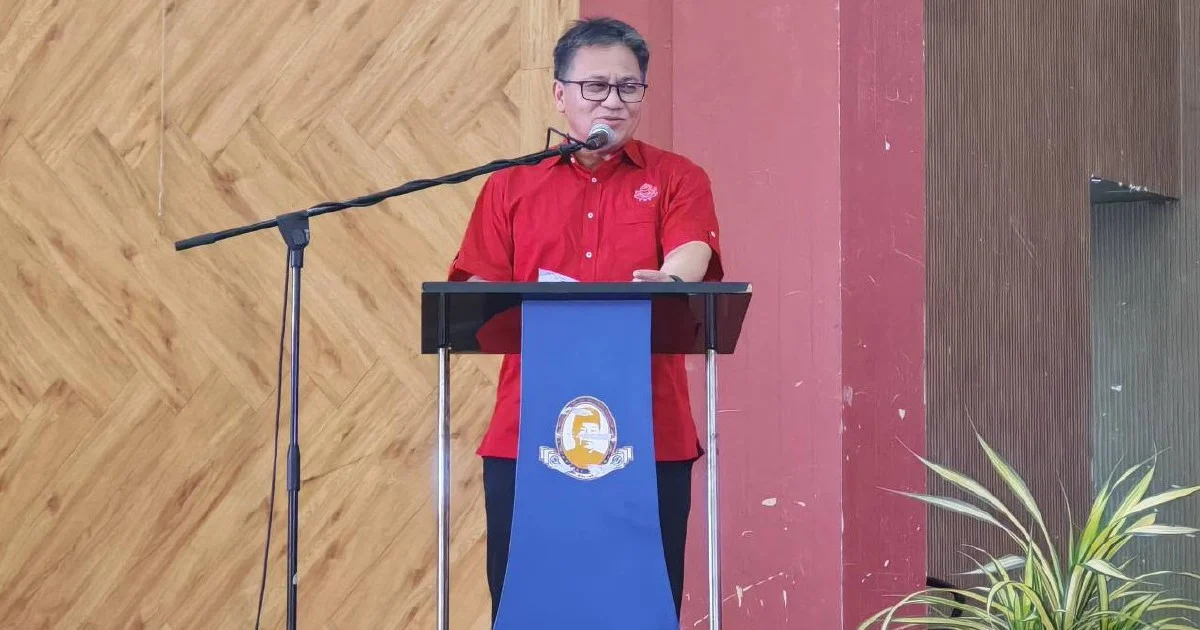
Nur Jazlan, a prominent figure within UMNO, has moved to dampen speculation about a coordinated electoral alliance between PAS and Barisan Nasional in Johor, insisting that no formal understanding exists between the two political organisations despite apparent tactical alignment during voting contests. The senior party leader's clarification addresses persistent rumours about behind-the-scenes deals that have circulated among political observers and party watchers across Malaysia, particularly in Johor where both PAS and BN candidates have competed against the same opponents.
According to Nur Jazlan's account, the apparent convergence between PAS and BN in certain constituencies reflects a simpler political reality—both parties happen to view Pakatan Harapan as their primary adversary. This distinction between tactical coincidence and formal coalition is significant, as it suggests that while both organisations may benefit from competing in separate seats rather than splitting the vote against a common challenger, they have not negotiated explicit terms or conditions governing their respective campaigns. Such nuance matters considerably in Malaysian politics, where the difference between an informal understanding and a binding agreement carries considerable weight in party discipline and organisational autonomy.
The Johor electoral landscape has become increasingly complex following the 2022 elections and subsequent political realignments. PAS, which has strengthened its foothold in several Malay-Muslim majority constituencies, has sought to expand its parliamentary representation and state assemblies influence. BN, comprising UMNO and several smaller component parties, remains focused on reclaiming ground lost in recent electoral cycles. The strategic geography of Johor means that direct contests between candidates from these two camps in every available seat would dilute their combined vote share and potentially hand seats to PKH—a risk both organisations aim to minimise.
Nur Jazlan's statement appears designed to reassure both UMNO party members and potential coalition partners that Barisan Nasional retains full autonomy in its political decisions. By emphasising the absence of any binding accord, the UMNO leader suggests that Barisan's positioning in Johor remains flexible and subject to party leadership's calculations rather than predetermined by external arrangements. This flexibility matters particularly given ongoing discussions about potential broader political coalitions at the national level, where UMNO continues to navigate complex relationships with multiple political forces.
The clarification also addresses internal party concerns within UMNO about perceived encroachments by PAS into constituencies traditionally considered BN territory. Some party members have expressed unease about Islam-based parties gaining ground in Malay-majority areas, and Nur Jazlan's remarks may serve to ease such anxieties by framing any cooperation as situational rather than strategic surrender. By describing the dynamic as mutual opposition to PKH rather than coordinate action, he repositions the narrative to emphasise Barisan's agency and strategic choice.
PAS, under Datuk Seri Abdul Hadi Awang's leadership, has pursued an aggressive expansion strategy, particularly following the party's improved performance in the 2022 general election and subsequent state elections. The party's Islamic governance agenda appeals to certain voter demographics, particularly among conservative Malay-Muslim communities in rural and semi-urban areas. Johor, as Malaysia's second-largest state and economically significant, represents crucial territory for PAS's national ambitions and provides a testing ground for its political and administrative models.
The broader context of Malaysian politics has shifted markedly in recent years toward multipolarity, where no single bloc commands overwhelming support nationally. This fragmentation has created scenarios where parties that oppose each other in some states or at federal level may benefit from tacit coordination in others. The absence of a formal PAS-BN agreement does not preclude such pragmatic understandings, and Nur Jazlan's remarks may reflect political language designed to maintain both sides' flexibility while avoiding the formal commitments that agreements entail.
For PKH, the situation presents particular challenges. The opposition coalition must contend with opponents who, while not formally aligned, share sufficient incentive to prevent PKH's expansion. This coordination-without-agreement model can prove frustrating for opposition strategists, as it combines many disadvantages of formal coalitions with the deniability advantage of informal understandings. Johor, where PKH has made electoral gains in recent contests, remains a critical battleground where vote efficiency and ground operations determine outcomes.
The political implications extend beyond Johor's borders. If Nur Jazlan's characterisation accurately reflects the relationship dynamics, then UMNO and PAS maintain independent decision-making capabilities in their respective party operations while avoiding entanglement in formal commitments that could complicate either party's future political manoeuvring. This arrangement permits both organisations to claim autonomy while benefiting from de facto coordination where interests align. Such flexibility becomes increasingly valuable as Malaysia approaches future electoral contests and as political realignments continue evolving across the region.

