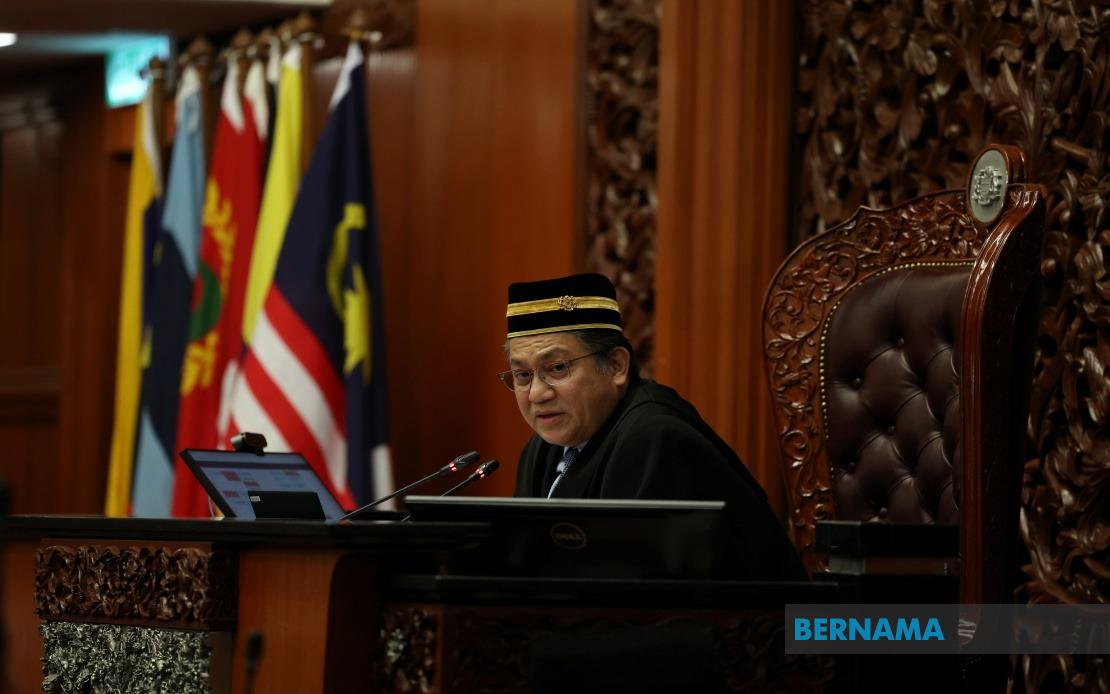
Senator Datuk Nur Jazlan Mohamed has secured reappointment as Deputy Speaker of the Dewan Negara, continuing his role in Malaysia's upper chamber for a second consecutive term. The nomination, presented on behalf of Prime Minister Datuk Seri Anwar Ibrahim by Higher Education Minister Datuk Seri Zambry Abd Kadir, came without competing candidates before the legislative body convened in Kuala Lumpur on July 20. His reappointment follows formal swearing-in ceremonies that also reinstated fellow Senator Mussodak Ahmad for another tenure in the chamber.
Nur Jazlan's fresh mandate spans three years, commencing June 15, 2026, and concluding June 14, 2029, representing an extension of his tenure that began in June 2023. This continuity suggests confidence from the executive branch in his stewardship of parliamentary proceedings. At 60 years of age, the senator brings considerable governmental experience to the position, having held various portfolios throughout his political career spanning nearly two decades in elected office. His promotion within UMNO's hierarchy, evident from his role as Pulai Division chief and membership in the party's Supreme Council, underscores his standing within Malaysia's largest political formation.
The 60-year-old's parliamentary journey traces back to 2004, when he first entered the Dewan Rakyat representing the Pulai constituency. His tenure as Member of Parliament lasted until 2018, accumulating considerable experience in legislative debate and constituency representation. Following his transition from direct electoral politics, Nur Jazlan served as Deputy Home Minister between 2015 and 2018, handling portfolio responsibilities during a period of significant security and administrative challenges facing the nation. The shift to the Senate, while technically stepping back from elected representation, reflected a strategic repositioning within Malaysia's legislative architecture.
Mussodak Ahmad similarly earned reappointment to the upper chamber, with his tenure spanning March 20, 2026, through March 19, 2029, following nomination by the Kedah State Legislative Assembly. The Kedah PAS figure brings a different political perspective to the chamber, representing the opposition-aligned Islamic Party within an institution traditionally dominated by government nominees. His presence alongside government-aligned senators such as Nur Jazlan reflects the deliberate composition structure of the Dewan Negara, which incorporates diverse political viewpoints through its appointment mechanism. Mussodak's political engagement extends to state-level contests, having previously stood for the Bayu and Guar Chempedak state seats in Kedah.
The upper chamber's composition reveals important patterns in Malaysian parliamentary governance. Unlike the Dewan Rakyat, where voters directly select representatives, the Dewan Negara operates through a mixed appointment system balancing nominations from state assemblies with selections by the Yang di-Pertuan Agong. This structure aims to provide stability and expert input to legislative processes, allowing appointment of individuals with specialized knowledge and extensive experience. Nur Jazlan's reappointment exemplifies this approach, leveraging his administrative background and legislative familiarity to guide Senate operations.
The timing of these appointments coincides with the commencement of the second sitting of the fifth parliamentary term, reflecting the Dewan Negara's cyclical refreshment processes. The legislative calendar indicates a 10-day session stretching from July 20 through August 4, presenting opportunities for the newly reconfirmed leadership to establish priorities and guide deliberations on government legislation. Senate proceedings typically examine bills with particular attention to constitutional implications and federalism considerations, making the speaker and deputy speaker roles pivotal in maintaining procedural integrity.
Nur Jazlan's ascent through governmental ranks mirrors evolving expectations within Malaysian politics regarding technocratic competence and administrative capacity. His progression from constituency representation to ministerial responsibility and subsequently to legislative stewardship demonstrates the career trajectories available within UMNO-dominated governance structures. The party's confidence in maintaining him within senior parliamentary roles signals continuity in approach toward legislative management and government business scheduling within the upper chamber.
The institutional context surrounding these appointments warrants consideration within broader Malaysian political dynamics. The Dewan Negara traditionally serves secondary functions to the lower house, yet handles specific responsibilities including constitutional amendment review and federal-state legislative coordination. Deputy Speaker positions carry responsibility for managing debate flow, ensuring procedural compliance, and occasionally presiding over proceedings during the Speaker's absence. Nur Jazlan's experience across multiple government departments positions him competently for these administrative demands.
Regional implications emerge from examining Senate composition patterns. As Southeast Asia's oldest parliamentary democracy navigates evolving governance standards, Malaysia's legislative mechanisms continue attracting scholarly attention regarding bicameral effectiveness and appointment systems' democratic legitimacy. The Dewan Negara's mixed composition model offers insights for other regional democracies considering institutional reform. Nur Jazlan's reappointment thus connects to broader questions regarding how upper chambers maintain relevance while preserving flexibility in membership selection.
Looking ahead, Nur Jazlan's second term will encompass significant parliamentary work, including scrutiny of legislation addressing economic development, social policy, and constitutional matters potentially emerging from state-federal tensions. His tenure concludes in mid-2029, aligning with potential shifts in Malaysia's broader political landscape following projected electoral cycles. The combination of his UMNO affiliation, administrative expertise, and parliamentary experience positions him as a steadying presence during periods when legislative coordination becomes particularly demanding.

