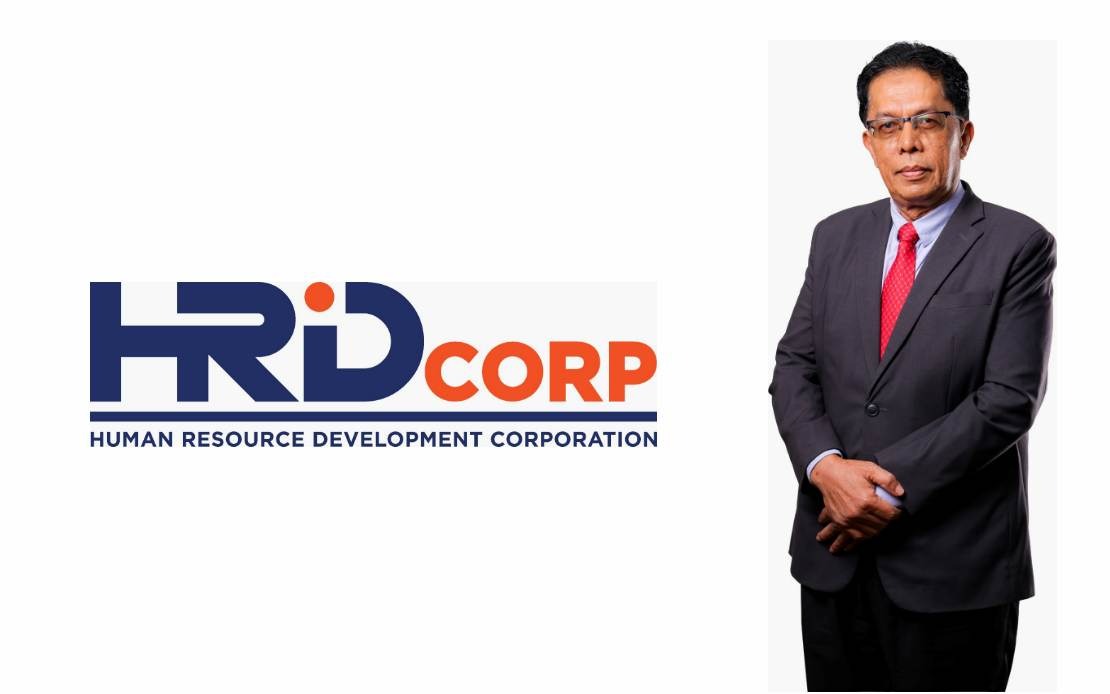
The fourth edition of Malaysia's National Training Week (NTW) unfolds beginning tomorrow from Sandakan, marking an ambitious national initiative to democratize access to contemporary skills development. Organised jointly by the Human Resource Development Corporation (HRD Corp) and the Ministry of Human Resources (KESUMA), this year's campaign extends no-cost training opportunities to every Malaysian regardless of age or employment status, positioning the programme as a transformative movement beyond an annual calendar event.
The breadth of offerings reflects both immediate labour market demands and emerging technological disruption. Available courses span artificial intelligence prompting and AI animation alongside practical trades such as drone operations and vehicle maintenance, while supplementary training encompasses digital marketing, language development, and specialised fields including autism support services. This curated portfolio acknowledges the dual challenge facing Malaysia's workforce: preparing citizens for digital-age employment while sustaining demand for skilled trades facing labour shortages across manufacturing, logistics, and service sectors.
Sandakan's designation as the inaugural launch venue carries symbolic and strategic weight. The choice signals explicit recognition of Sabah's positioning within Malaysia's broader human capital development architecture, addressing longstanding perceptions of unequal training infrastructure distribution between peninsula and East Malaysia. By anchoring the campaign's commencement in the state, policymakers acknowledge that skills development initiatives must reach beyond urban concentrations to encompass regional economies where talent pools remain underdeveloped relative to national standards.
According to HRD Corp chairman Datuk Rusli Jaafar, institutional collaboration with industry partners and training providers has enabled the programme's inclusive scope. This networked approach avoids the pitfall of government-delivered training programmes that sometimes diverge from employer needs, instead leveraging private sector expertise to ensure curriculum relevance. For Malaysia, where skills mismatches persistently plague graduate employment outcomes, this horizontal coordination mechanism offers potential lessons for broader vocational education reform.
The campaign targets multiple demographic cohorts simultaneously, reflecting evolving workforce composition. Beyond traditional employees, the initiative explicitly encompasses entrepreneurs navigating digital transformation, gig economy workers lacking institutional training access, homemakers seeking career re-entry pathways, and retirees pursuing productive engagement. This segmentation acknowledges that Malaysian workforce participation increasingly defies binary categories, with portfolio careers, freelancing, and delayed retirement becoming commonplace rather than exceptional arrangements.
Contemporaneously, the launch featured recognition of 149 top-performing 2025 SPM students from Batu Sapi parliamentary constituency, combining skills development promotion with academic achievement incentivisation. This component serves dual functions: encouraging exceptional performers to invest further in capability enhancement while generating visible endorsement for the NTW initiative among younger cohorts critical for long-term participation culture establishment.
The carnival environment surrounding the Sandakan launch incorporates experiential learning components extending beyond course registration. Interactive sessions, career advisory services, and training provider exhibitions create discovery mechanisms enabling participants to explore unfamiliar opportunities. For many Malaysians, particularly those in underserved regions, direct exposure to training possibilities and career pathways represents invaluable orientation otherwise inaccessible through digital channels alone.
Delivery flexibility constitutes another structural advantage. The programme's portal architecture permits participation through either online or in-person modalities depending on course content and participant circumstances. This hybrid approach acknowledges Malaysia's digital divide realities while accommodating individuals whose schedules, caregiving obligations, or connectivity constraints preclude full online engagement. For rural participants and those managing multiple responsibilities, such flexibility fundamentally determines programme accessibility.
The roadshow's nationwide trajectory before culminating in Penang on July 25 and 26 reflects deliberate sequencing across Malaysia's economic geography. Rather than concentrating activities in major metropolitan areas, the itinerary ensures regional centres receive equivalent promotional and educational intensity, potentially influencing local participation rates and building constituencies of advocates within state governments and local development agencies.
For Southeast Asia's broader context, Malaysia's NTW model demonstrates how middle-income nations can strategically deploy national-scale initiatives addressing skills deficits without requiring massive budgetary expansion. The approach leverages existing institutional infrastructure—HRD Corp's training ecosystem, KESUMA's policy mandate, industry partnerships—to achieve scale while distributing costs across participating organisations. Neighbouring economies facing analogous workforce challenges might examine this blueprint's transferability, particularly regarding mechanisms for sustaining sectoral engagement and ensuring curriculum responsiveness to labour market evolution.
The initiative arrives amid intensifying competition for talent across ASEAN, where demographic divergence and development disparities create both opportunities and vulnerabilities. By systematically expanding citizen capabilities across technical domains, Malaysia strengthens competitive positioning for technology-intensive sectors while potentially reducing regional migration for training access—a consideration as Singapore, Thailand, and Vietnam expand competing capability-building programmes. Whether NTW 2026 generates sufficient participation momentum and demonstrable employment outcomes to justify continuation will likely influence policymakers' confidence in scaling comparable initiatives addressing manufacturing, healthcare, and emerging sectors.
Successful execution requires sustained coordination between HRD Corp, participating training institutions, and regional governments to overcome implementation challenges. Ensuring quality consistency across dispersed delivery points, maintaining participant engagement post-enrolment, and establishing mechanisms for tracking employment outcomes represent critical execution factors. For Malaysian policymakers, the NTW 2026 represents both immediate workforce development opportunity and pilot case study for whether decentralised, multi-stakeholder training campaigns can effectively embed lifelong learning as cultural norm rather than institutional aspiration.

