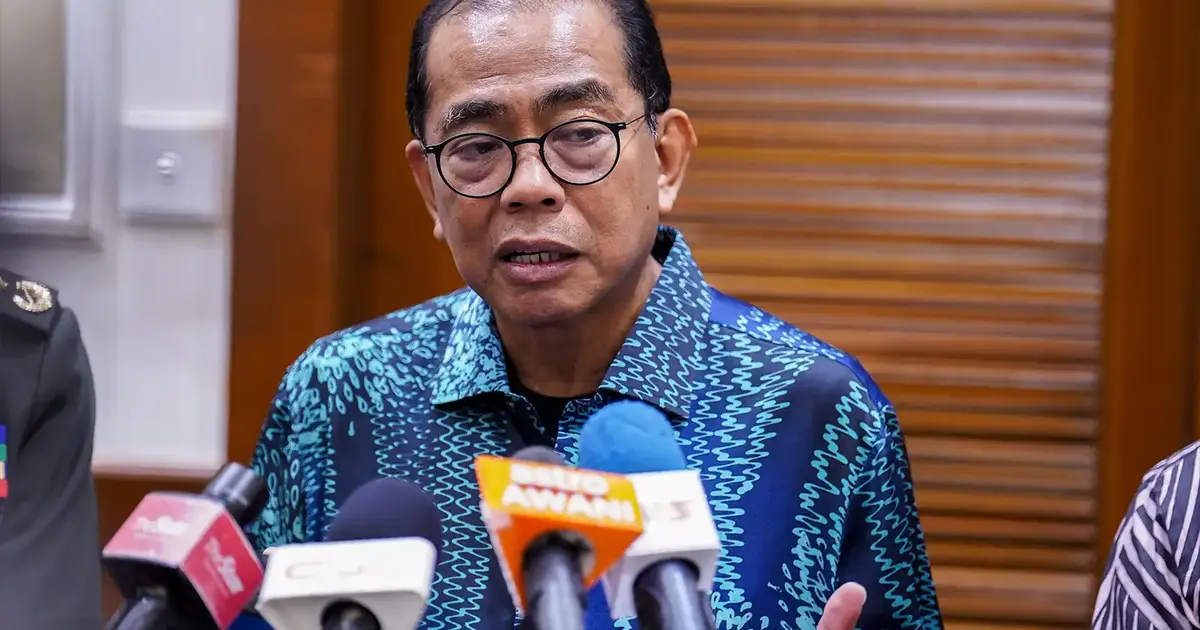
Malaysia's Defence Minister Khaled has indicated that the financial impact of abandoning a major procurement arrangement with Norway cannot yet be quantified with certainty, signalling that final settlement figures hinge on decisions still being negotiated between the two governments.
The cancelled missile contract has emerged as a significant issue within Malaysia's defence acquisition strategy, raising questions about potential penalties, contractual obligations, and the broader implications for future military procurement partnerships. While the government has publicly committed to moving away from the deal, the specifics of how this transition unfolds remain opaque to both parliamentarians and the general public.
Minister Khaled's statement reflects the complex nature of international defence contracts, where termination rarely occurs cleanly or cost-free. Such agreements typically contain clauses addressing early withdrawal, penalty structures, and provisions for equipment already manufactured or in advanced production stages. The actual financial burden ultimately depends on which remedies both parties elect to pursue and which contractual escape routes they may negotiate.
The absence of a definitive cost figure at this stage suggests that Malaysia and Norway are still in preliminary discussions regarding the contract's unwinding. This negotiation process could span months or longer, with both nations seeking to minimise their respective financial exposures whilst navigating the diplomatic dimensions of shelving a bilateral defence arrangement that once carried significant strategic weight.
For Malaysian defence planners, this uncertainty creates budgetary challenges. The Defence Ministry operates within constrained fiscal parameters, and unexpected costs flowing from the contract termination could force reallocation of funds intended for other military modernisation initiatives. Parliament will likely demand clarity on these figures before approving supplementary allocations or allowing the matter to rest.
The broader context involves Malaysia's evolving defence procurement philosophy, which has increasingly questioned the necessity and strategic fit of expensive overseas weapons systems. Senior officials have argued for domestically-focused defence spending that strengthens indigenous capabilities and reduces dependency on foreign suppliers for critical military assets. This ideological shift has prompted the government to recalibrate its approach to major foreign acquisitions.
Norway itself faces implications from this termination. As a NATO member and advanced defence technology exporter, Norway maintains commercial relationships with multiple Southeast Asian buyers. The cancellation of this Malaysian contract may influence how Norwegian defence firms approach future regional engagement and whether they embed additional protections in subsequent agreements with emerging market purchasers.
From a Southeast Asian perspective, Malaysia's decision carries symbolic weight regarding defence autonomy and procurement decision-making in the region. Other nations weighing similar weapons systems or contemplating their own contract commitments are likely monitoring how this arrangement unwinds and what financial consequences Malaysian taxpayers ultimately absorb. The precedent set here could influence regional governments' appetite for comparable foreign military purchases.
The timeline for resolving these cost questions remains unclear. Minister Khaled's public acknowledgement that figures remain undetermined suggests the government is not yet in a position to announce final settlement amounts, whether those involve outright payments to Norway, agreed equipment transfers, or other compensation mechanisms. This opacity, while perhaps necessary during active negotiations, does complicate public accountability and parliamentary oversight of defence spending.
Future statements from the Defence Ministry will likely need to address not only the total cost of termination but also the reasoning behind those figures—explaining to lawmakers and constituents why particular settlement approaches were chosen and how they compare to alternative resolution pathways. As Malaysia moves forward with alternative defence strategies, the financial legacy of this cancelled Norwegian deal will remain a point of scrutiny and potential political debate, particularly if the final bill proves substantial or if alternative defence investments fail to deliver promised security enhancements.

