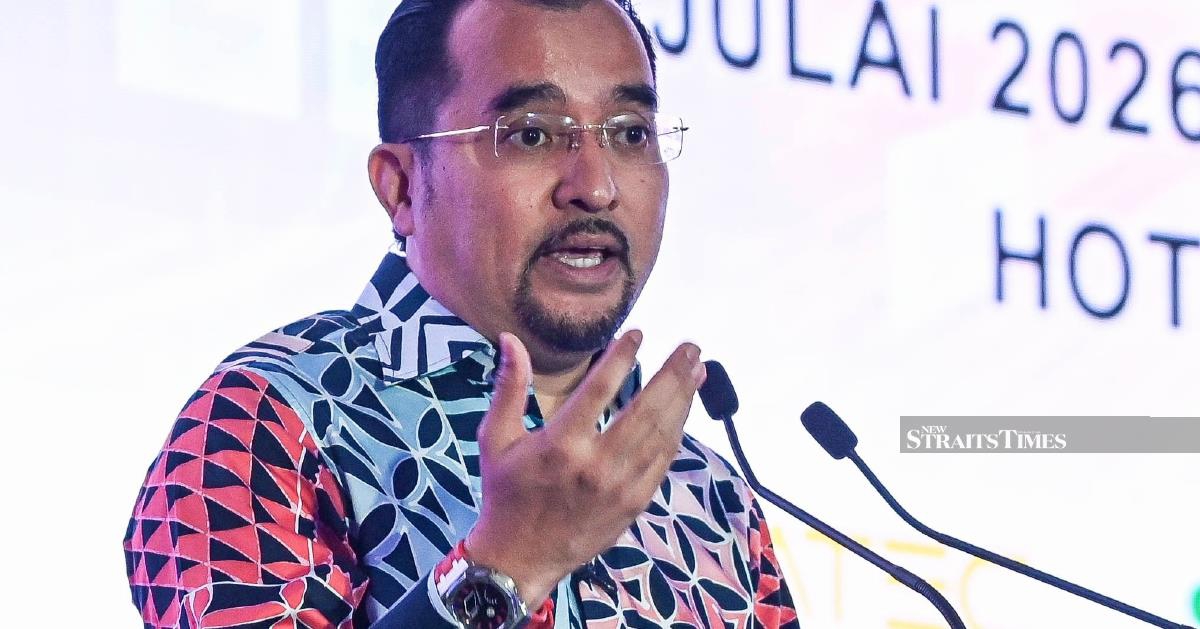
Malaysia's Umno secretary-general Datuk Dr Asyraf Wajdi Dusuki has delivered a stern message regarding the impending Royal Commission of Inquiry report on Tabung Haji, declaring that accountability must be universal and uncompromising. Speaking on the matter, he stressed that should the commission's investigation reveal instances of misconduct, corruption, or misuse of authority, every single person implicated must face consequences without exception or preferential treatment. His remarks underscore growing pressure within the political establishment for transparency and proper governance at the pilgrim fund management body.
The Tabung Haji Royal Commission of Inquiry represents one of Malaysia's most closely watched recent investigations into institutional management. Established to examine the governance, financial administration, and operational practices of Tabung Haji, the commission has conducted an extensive probe into how the fund—which manages savings and investments for Malaysian pilgrims undertaking the Hajj—has been operated. The timing of Asyraf's statement suggests the RCI is approaching its conclusion, with stakeholders and public bodies preparing for what could be a consequential report with significant implications for senior management and board members.
The Tabung Haji fund holds profound significance for Malaysian Muslims, serving as a dedicated savings mechanism for pilgrims and their families. With billions in assets, it represents a sacred trust held by the institution's leadership. Any evidence of improper conduct—whether through corrupt practices, financial mismanagement, or abuse of fiduciary responsibilities—would constitute a serious breach of public confidence. The fact that Asyraf felt compelled to make such a forceful statement indicates that there may be substantial concerns within the inquiry findings that could implicate high-ranking officials or politically connected individuals.
Ashyraf's insistence that no one be shielded carries particular weight given Umno's historical relationship with Tabung Haji. The party has historically maintained significant influence over the institution's governance structures, and several senior Umno figures have held positions within Tabung Haji's leadership hierarchy. His public declaration that accountability must apply universally can therefore be read as an attempt to distance the party from any potential fallout, or alternatively, to signal that the party will tolerate no cover-ups even if they prove embarrassing to prominent members.
The political context surrounding this statement is equally important. Malaysia has experienced multiple investigations into institutional corruption and misconduct over recent years, with varying degrees of follow-through on recommendations and findings. Public confidence in accountability mechanisms has sometimes wavered when inquiries appear to conclude without visible consequences for implicated parties. By staking out a clear position now, Asyraf may be attempting to pre-empt any perception that the RCI's conclusions will be diluted or that implicated individuals will face minimal repercussions.
For Malaysian investors and Hajj pilgrims who have placed their trust and savings with Tabung Haji, the RCI's findings will hold immediate relevance. If the inquiry substantiates concerns about mismanagement or improper allocation of funds, this could affect the institution's future operations, governance reforms, and investor confidence. The reputational implications for Tabung Haji itself are substantial, and the manner in which findings are addressed will signal whether institutional accountability remains a genuine priority in Malaysia's financial and religious establishments.
International observers of Malaysian governance have also paid attention to how the country handles investigations into institutional misconduct. Tabung Haji's status as a major financial institution managing pilgrim resources means that the RCI's conclusions and subsequent actions will carry implications for Malaysia's broader reputation in terms of financial governance and anti-corruption efforts. Any appearance of selective accountability or political interference could undermine confidence among both domestic stakeholders and international observers.
The call for universal accountability also reflects evolving social expectations within Malaysia. Public discourse on governance has become increasingly unforgiving of institutional misconduct, and there is less tolerance for explanations that involve organizational hierarchies shielding superior officers. Citizens and pilgrims have demonstrated growing demand for transparency and consequences when public institutions fail to meet fiduciary standards. Asyraf's statement aligns with this broader sentiment, suggesting that political leaders recognize the necessity of at least appearing to support rigorous accountability.
Moving forward, the substance of the RCI report and the government's response will determine whether Asyraf's words translate into concrete action. The commission's findings will likely propose specific reforms, identify responsible parties, and potentially recommend legal action against individuals deemed to have engaged in wrongdoing. The genuine test of accountability will come when these recommendations must be implemented, potentially against individuals of significant political or economic standing.
The investigation also raises broader questions about institutional governance in Malaysia. Tabung Haji is one of several major financial institutions entrusted with managing public assets, and the RCI's conclusions may prompt wider reviews of governance standards across comparable organizations. If the inquiry uncovers systemic vulnerabilities or management gaps, these findings could inform future policy discussions on how Malaysia structures oversight of large institutional entities.
For the Hajj pilgrims themselves, the RCI represents an opportunity for institutional renewal and restored confidence. The pilgrimage remains a deeply significant religious obligation for Malaysian Muslims, and the fund management body's credibility directly affects the pilgrims' financial security and peace of mind. A thorough investigation followed by genuine accountability and reform could restore public trust in the institution's stewardship of pilgrim resources.

