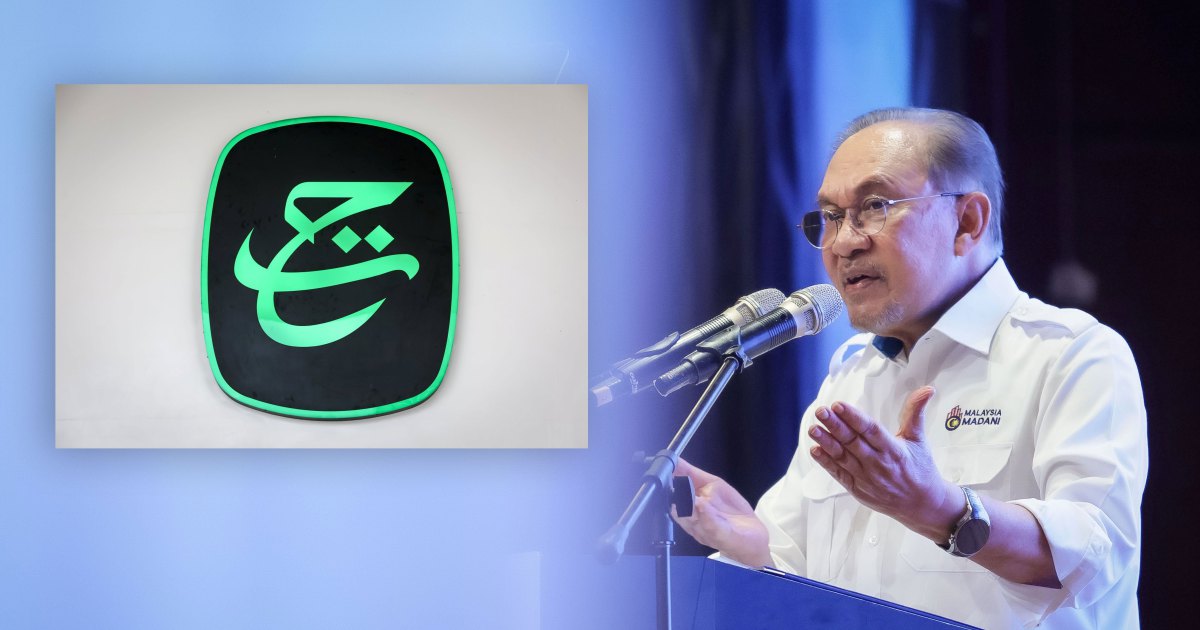
Prime Minister Anwar Ibrahim has declared that individuals implicated in financial losses and misuse of authority at Lembaga Tabung Haji (TH) cannot evade accountability, reaffirming the government's commitment to investigate and prosecute wrongdoing wherever sufficient evidence exists. Speaking in Jelebu, Anwar underscored that no person, regardless of position or stature, would be shielded from legal consequences for their involvement in the scandal that has undermined public trust in Malaysia's pilgrimage fund manager.
The statement carries significant weight given the scale and complexity of losses that have plagued TH in recent years. The institution, which manages savings and investments for nearly 9 million Malaysian Muslims preparing for the hajj, has faced mounting scrutiny over financial irregularities, questionable investments, and governance failures that eroded the value of depositors' funds. Anwar's unequivocal position signals that the federal administration intends to move beyond rhetoric and translate pledges of reform into substantive legal action.
Lembaga Tabung Haji's difficulties have deep roots, stemming from years of poor investment decisions, exposure to volatile markets, and governance structures that critics argue failed to adequately protect depositors' interests. The fund's downward spiral accelerated following losses incurred through various investment vehicles and real estate ventures that did not deliver anticipated returns. Many depositors have expressed frustration over the erosion of their savings and the apparent lack of decisive action against those held responsible for steering TH into troubled waters.
The Prime Minister's remarks represent a calibrated approach to a politically sensitive matter. TH occupies a unique position within Malaysia's financial ecosystem, combining commercial operations with religious and social significance. Any investigation must therefore navigate complex considerations: the need to protect an institution vital to millions of Muslim Malaysians while simultaneously ensuring that accountability mechanisms function without interference or fear. Anwar's emphasis on gathering sufficient evidence before proceeding reflects awareness of the legal thresholds that must be met for successful prosecution.
This commitment to accountability carries implications beyond TH itself. It signals to the broader Malaysian public and international observers that the government intends to address governance failures systematically, particularly in institutions managing public or quasi-public resources. The messaging also serves to rebuild confidence among TH depositors who have watched their retirement and pilgrimage savings diminish, many while feeling abandoned by authorities who appeared reluctant to act decisively in previous administrations.
The investigation process will likely prove complex and prolonged. Determining liability requires forensic examination of decision-making processes, board recommendations, and management actions spanning multiple years and involving numerous individuals. Prosecutors must establish not only that losses occurred but that they resulted from negligence, abuse of authority, or intentional misconduct rather than legitimate but unsuccessful business judgments. The threshold of "sufficient evidence" will therefore be stringent, reflecting Malaysia's legal standards for criminal prosecution.
For Southeast Asian observers monitoring corporate governance and institutional accountability across the region, Malaysia's handling of the TH matter carries broader significance. Many nations in the region grapple with similar challenges: protecting state-linked institutions while ensuring that governance failures do not go unpunished. The extent to which Malaysia follows through on these pronouncements could influence how other governments approach comparable situations in their own jurisdictions.
The Prime Minister's unambiguous language also addresses legitimate concerns that political considerations might shield certain individuals from investigation. By publicly committing to pursue cases where evidence warrants, Anwar has raised public expectations and created political accountability for himself. Should investigations later be perceived as selective or incomplete, the credibility of both the Prime Minister and his administration would suffer measurable damage.
Stakeholders within TH, including board members, senior management, and investment officers, now operate under clear notice that their past decisions and actions face potential legal scrutiny. This environment may encourage greater transparency during investigations and cooperation from individuals aware that obstruction or evasion of accountability carries reputational and legal risks. Conversely, the prospect of prosecution may also prompt sophisticated defensive strategies from those who fear exposure.
The pathway from investigation to prosecution requires involvement of multiple agencies: anti-corruption bodies, law enforcement authorities, and prosecutors must coordinate to compile cases meeting the evidentiary standards necessary for court proceedings. The Prime Minister's statement commits the government to facilitating this process and ensuring that institutional or political pressures do not derail investigations once they commence.
For ordinary Malaysians whose funds are locked within TH, Anwar's assurances provide modest reassurance that their losses will not be ignored or forgotten. Yet many depositors remain focused on the more immediate question of restitution and recovery of their savings. While accountability and prosecution address the question of justice, they offer limited direct remedy to individuals whose retirement funds have diminished significantly. The government faces the dual challenge of pursuing wrongdoing while simultaneously developing strategies to restore the financial health of an institution that remains essential to millions of Malaysians planning their hajj journey.
The next phase will depend on how swiftly investigating agencies move from preliminary inquiries to formal investigations with defined scopes and timelines. International experience with similar cases suggests that financial investigations of this magnitude require 18 to 36 months for completion, depending on the complexity of transactions and the breadth of inquiry. Malaysian authorities must balance thoroughness with public expectations for timely resolution.

