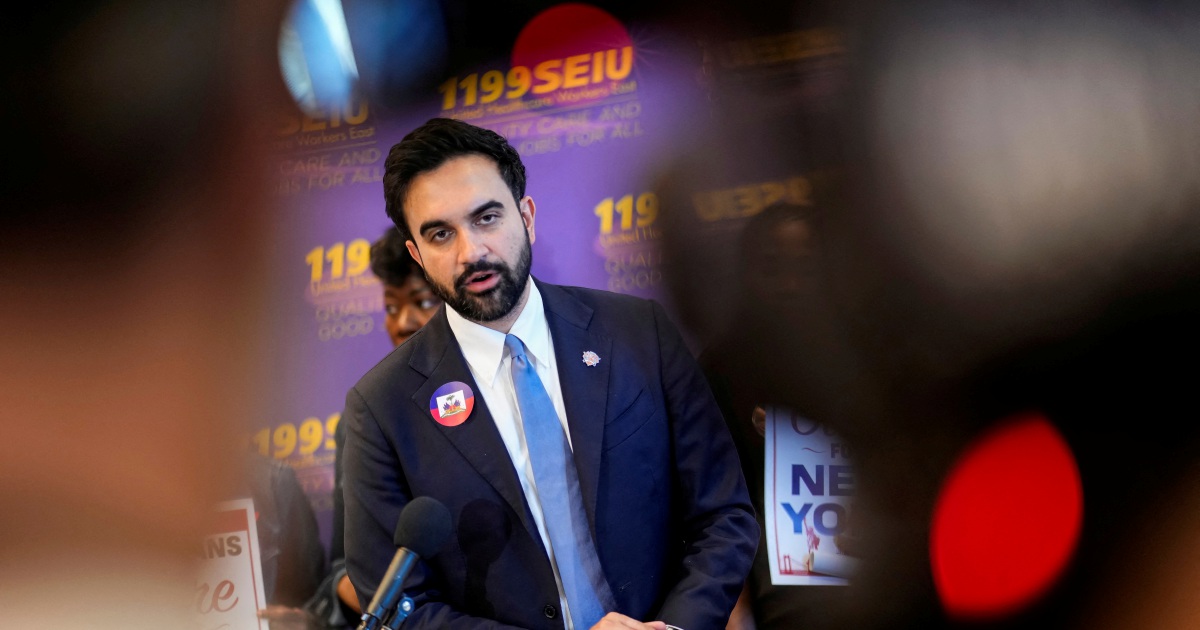
New York Mayor Zohran Mamdani has indicated he is seriously exploring the possibility of attempting to detain Israeli Prime Minister Benjamin Netanyahu when the latter attends an upcoming United Nations summit in the city, according to remarks made in an interview published on Saturday. The controversial consideration has immediately drawn heated pushback from Netanyahu's team, highlighting the intense political tensions surrounding visits by Israeli leadership to the United States at a time of heightened international scrutiny over Middle Eastern affairs.
The mayor's statement reflects the deep divisions that have surfaced in recent years over Israel-Palestine issues, particularly within American political circles and among constituencies in major metropolitan areas. Mamdani's comments suggest that municipal authorities in New York are grappling with competing legal, diplomatic, and political considerations as they prepare for high-profile international gatherings. The suggestion that a major US city's elected official would contemplate arresting a sitting foreign leader underscores the extraordinary polarization surrounding Israeli officials' movements within America.
Mamdani's hesitation—signalled by his use of language indicating ongoing deliberation rather than firm commitment—suggests the matter involves complex legal questions about immunity, diplomatic protocol, and municipal jurisdiction. Arrest of foreign dignitaries typically requires careful navigation of international law and bilateral relations, factors that would necessarily complicate any such action by a city government. The mayor's equivocation also hints at potential consultation with higher authorities or legal advisors weighing the viability and consequences of such a move.
For Malaysian observers and other Southeast Asian readers, this development carries particular significance. The episode illustrates how Israel-Palestine tensions increasingly reverberate through Western democracies and influence their internal political debates. Malaysian officials and civil society organizations have long been vocal on Palestinian issues, and this American development demonstrates how similar concerns are gaining traction among segments of Western publics and elected officials, potentially reshaping traditional diplomatic alignments.
The reaction from Netanyahu's camp characterizes the mayor's statements as objectionable, reflecting the Israeli leadership's firm rejection of any suggestion that its prime minister might face arrest on American soil. This hostile response underscores the diplomatic sensitivities involved and Netanyahu's government's expectation that the United States, as a close ally, would provide standard protections and courtesies to Israeli leaders during official visits. The sharp rebuke signals that any actual attempt at arrest would likely trigger a significant international incident.
The timing of these remarks during preparations for a UN summit—an event that typically draws world leaders and generates extensive security protocols—adds another layer of complexity. UN headquarters in New York enjoys certain extraterritorial status, which creates ambiguities about the jurisdictional authority of New York city government over events occurring within or adjacent to the compound. These legal technicalities may ultimately constrain whatever actions city officials might contemplate, though the mayor's public discussion of the possibility suggests growing political pressure from constituencies demanding accountability regarding Israeli policies.
From a broader regional perspective, the incident demonstrates how Palestinian solidarity movements in Western nations are evolving from primarily grassroots initiatives into matters engaging elected municipal officials. This shift potentially signals changing political calculations in American urban centers, where demographic and ideological shifts have created constituencies asserting greater skepticism toward unconditional support for Israeli government positions. For Malaysian stakeholders interested in how Western democracies address Middle Eastern conflicts, this episode illustrates deepening fault lines in Western consensus on Israeli policy.
The public nature of Mamdani's deliberation—rather than any quiet behind-the-scenes consideration—suggests an intentional political signal. The mayor's willingness to discuss such sensitive possibilities with journalists indicates either strong constituent pressure or a deliberate effort to influence the political climate surrounding Netanyahu's anticipated visit. This calculated public communication style differs markedly from typical diplomatic discretion, highlighting how domestic political dynamics in American cities increasingly constrain traditional executive branch management of foreign relations.
For the broader international community, including Southeast Asia, this episode underscores how Israeli-Palestinian tensions have become embedded in Western domestic political competition. Rather than remaining primarily an international concern mediated through formal diplomatic channels, the conflict increasingly manifests in the partisan and municipal politics of Western democracies. This internalization of Middle Eastern disputes within Western political systems has implications for how international consensus forms on related issues and how traditional diplomatic frameworks function.
The uncertainty Mamdani expressed—his indication that he remains in deliberative mode rather than having reached firm conclusions—also suggests recognition of the extraordinary nature and potential consequences of any actual attempt. Even officials inclined to take provocative positions appear cognizant that arresting a sitting prime minister of a close US ally would represent an extraordinary breach of diplomatic norms. This hesitation, despite the mayor's apparent sympathy with pressure to hold Israeli leadership accountable, reveals the constraints that international law and diplomatic reality still impose on even determined local officials.
As the UN summit approaches, the question of Netanyahu's attendance and the potential complications surrounding it will likely remain a point of intense political focus in New York. The episode illustrates how international relations increasingly intersect with municipal governance and demonstrates the power of sustained advocacy movements to elevate previously marginal positions into mainstream political discourse. For Malaysian stakeholders following these developments, the case exemplifies how Western responses to Middle Eastern conflicts continue evolving in ways that could reshape international diplomatic alignments and consensus-building around regional issues.

