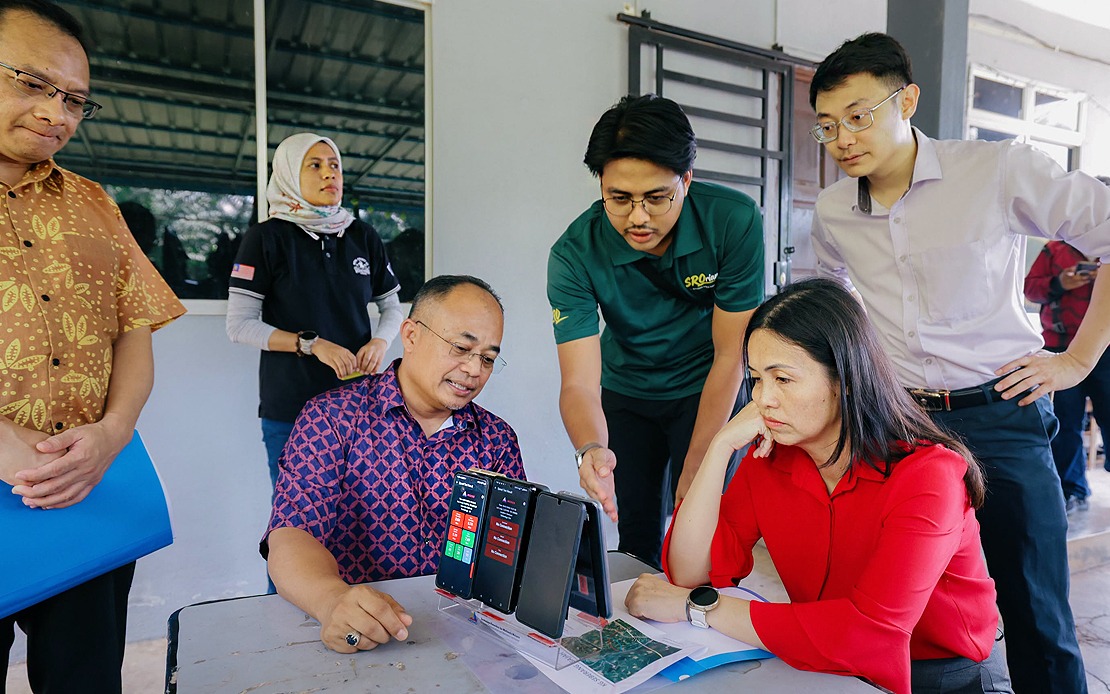
Internet connectivity struggles that have plagued Kampung Seberang Gajah residents are poised to end with the construction of a new telecommunications infrastructure facility in the area, addressing a long-standing gap in digital service coverage across the rural settlement in Tangkak. Deputy Communications Minister Teo Nie Ching disclosed the development after an on-site assessment of network performance, signalling renewed government commitment to bridging the digital divide in underserved communities across the country.
The predicament facing residents stems from the inadequacy of two existing telecommunications towers positioned near the village, which despite their presence have proven insufficient in delivering reliable broadband and mobile connectivity to the surrounding communities. Rather than a complete absence of infrastructure, the issue reflects a common challenge across Malaysian rural areas: towers that exist but fail to provide adequate coverage depth or signal strength due to geographical obstacles, distance limitations, or aging equipment.
To tackle this specific problem, the Malaysian Communications and Multimedia Commission has directed telecommunications service providers operating in the region to construct an additional tower that will complement existing infrastructure and fill coverage gaps. This regulatory intervention underscores how government agencies increasingly recognise that market forces alone may not incentivise providers to invest in areas with lower revenue potential but genuine service deficiencies.
The project has advanced beyond the preliminary planning stage, with design specifications and construction methodology already finalised. Currently, the developer is navigating the local authority approval process, a bureaucratic checkpoint that remains necessary for land use authorisation and compliance with municipal regulations. This permitting requirement, while essential for ensuring proper development standards, introduces a timeline variable that could delay deployment by weeks or months depending on administrative processing speeds.
Teo emphasised the importance of expediting both the permit approval and subsequent construction phases, recognising that delayed rollout extends the hardship experienced by residents who depend on functional internet access for education, healthcare information, business transactions, and basic communication. Her intervention signals political will to prioritise rural connectivity, an increasingly critical issue as Malaysia seeks to ensure digital inclusion and prevent the emergence of a two-tier technology divide between urban and countryside populations.
The field survey conducted in Kampung Seberang Gajah brought together multiple stakeholder groups, including the MCMC's Southern Region Office leadership and representatives from telecommunications companies providing services in the locality. This collaborative approach allows decision-makers to gather direct evidence about performance gaps and understand the technical constraints that providers face when attempting to service remote or geographically challenging areas.
Rural connectivity challenges extend across Southeast Asia, with many nations struggling to balance infrastructure investment across densely populated urban zones and dispersed countryside settlements. Malaysia's approach of direct regulatory intervention instructing service providers to build specific towers reflects a model where government actively shapes telecom development rather than relying entirely on commercial decisions. This methodology has both advantages and complications—it can ensure coverage reaches communities that might otherwise be ignored by profit-focused companies, but it also requires clear regulatory frameworks and adequate monitoring to prevent delays or cost-shifting that ultimately burdens consumers.
The timing of this announcement holds relevance for broader digital policy discussions in Malaysia, occurring amid ongoing efforts to expand high-speed internet availability nationwide. Kampung Seberang Gajah exemplifies settlements that fall through gaps in coverage—too small to attract commercial investment priority, yet large enough that the lack of connectivity creates genuine disadvantage for residents seeking educational opportunities, remote employment, or access to government services increasingly migrating online.
The project's completion will establish a precedent for how quickly the regulatory and implementation machinery can function when government decides to prioritise specific underserved areas. Success would provide a replicable model for addressing similar coverage deficiencies identified in other villages and communities awaiting infrastructure improvements, while delays would highlight systemic bottlenecks in the approval and construction process that policy-makers may need to address through streamlined procedures.
Residents awaiting improved connectivity face extended periods of substandard service while approvals process and construction proceeds. The government's commitment to acceleration remains important, as rural communities increasingly depend on reliable internet for agricultural information services, online market access, distance learning, and telemedicine applications—services that have become essential rather than luxuries since the pandemic normalised digital communication across sectors.

