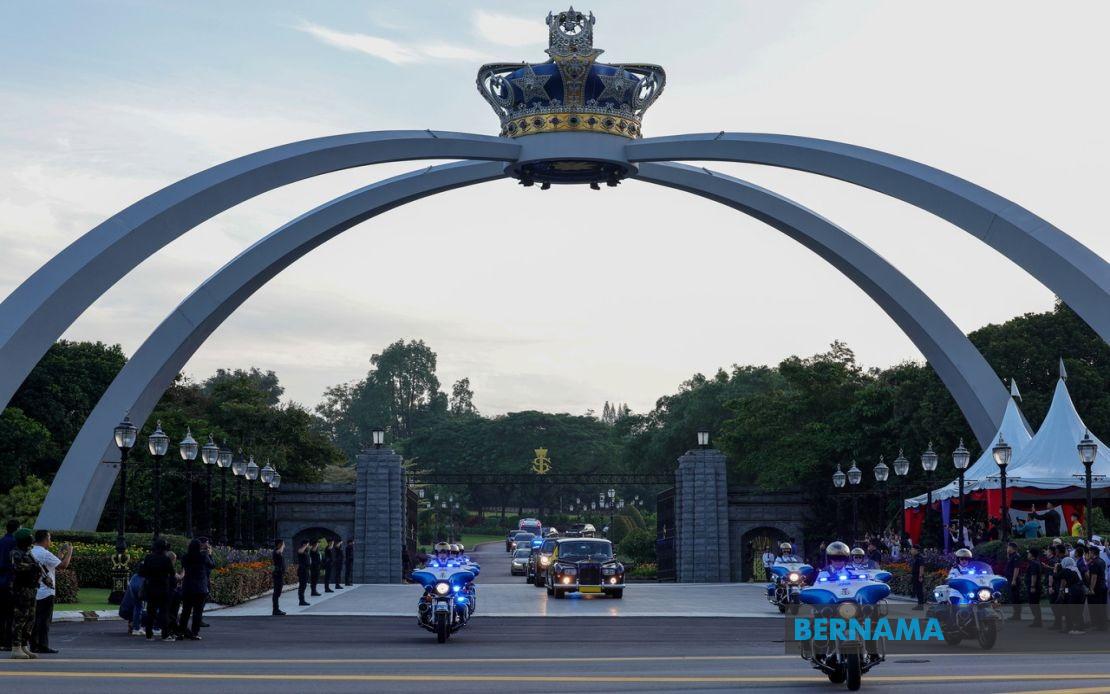
A Menteri Besar for Johor is set to take the oath of office this afternoon in a formal ceremony scheduled at Istana Bukit Serene, the historic royal palace in Johor Bahru, at 3 pm. The Johor Palace confirmed the arrangements through an invitation distributed via WhatsApp, signalling the completion of the state's political transition following the recent electoral contest. The precise identity of the incoming chief executive remains undisclosed in official announcements, though the appointment follows established constitutional procedures overseen by the palace.
The swearing-in represents the culmination of a swift political process set in motion by the electorate's clear mandate just hours earlier. The Johor state election, held the previous day, delivered a substantial majority to Barisan Nasional, which captured 48 of the 56 state assembly seats contested. This decisive result provided the governing coalition with a strong foundation to form the next administration and undertake its policy agenda across the southern peninsula's most economically developed state.
Media organisations have been preparing extensive coverage of the formal ceremony. Journalists are permitted to document the proceedings from the Crown Arch, known locally as Pintu Mahkota, positioned at the palace's entrance. Since midday, reporters and cameramen have congregated at both the Menteri Besar's official residence in Saujana and beyond the gates of Istana Bukit Serene itself, positioning themselves to capture developments and secure interviews as the day's events unfold.
Preceding the swearing-in ceremony, Sultan Ibrahim Iskandar received Barisan Nasional chairman Datuk Seri Ahmad Zahid Hamidi in audience at Istana Pasir Pelangi earlier in the day. The meeting, which extended nearly one hour, underscores the consultative process through which the palace discharges its constitutional responsibilities in approving the formation of a state government. Datuk Onn Hafiz Ghazi, who chairs Barisan Nasional's Johor division, was also present during this significant discussion, reflecting the state branch's involvement in the transition arrangements.
The timing of these formal acts carries particular weight for Malaysian governance. Johor, as the nation's southernmost peninsula state and a crucial economic contributor, requires stable administration to maintain business confidence and public service continuity. The electoral endorsement delivered by voters provides the incoming Menteri Besar with a robust parliamentary foundation, typically enabling the pursuit of legislative initiatives without the complications that minority or narrowly-held governments frequently encounter.
Barisan Nasional's overwhelming victory reversed the competitive political landscape that had characterised recent Johor elections. The coalition's capture of 48 seats from 56 represents a commanding supermajority, granting the government substantial latitude in budget allocation, policy formulation, and strategic investments across the state. This result offers a contrast to the more fragmented outcomes witnessed in several other Malaysian states during recent electoral cycles, where coalitions have struggled to command secure working majorities.
The formal ceremonial elements observed during such transitions reflect Malaysia's constitutional monarchy system, wherein the Ruler of each state plays a custodial role in the constitutional framework. The palace's involvement in approving the Menteri Besar appointment, whilst primarily ceremonial, carries symbolic significance within the Malaysian political tradition. The Istana Bukit Serene venue, selected for this occasion, serves as both the official seat of Johor's royal household and the location where state affairs of constitutional importance are traditionally conducted.
The election outcome carries implications beyond immediate state governance. Johor's status as an economic powerhouse makes its political stability consequential for the broader Malaysian economy. Investors, both domestic and international, typically respond positively to clear electoral mandates that promise administrative continuity and predictable policymaking. The decisive Barisan Nasional performance may therefore influence investor sentiment and shape economic development strategies across Southeast Asia's wider investment landscape.
For Malaysia's federal political context, the Johor result demonstrates sustained Barisan Nasional appeal in an important state where the coalition has historically maintained significant influence. The party's success here contributes to broader conversations about the coalition's trajectory at the national level and its capacity to mobilise voters in significant electoral contests. As political observers assess the implications of various state-level contests for potential federal elections, Johor's result commands attention from analysts and political strategists across the region.

