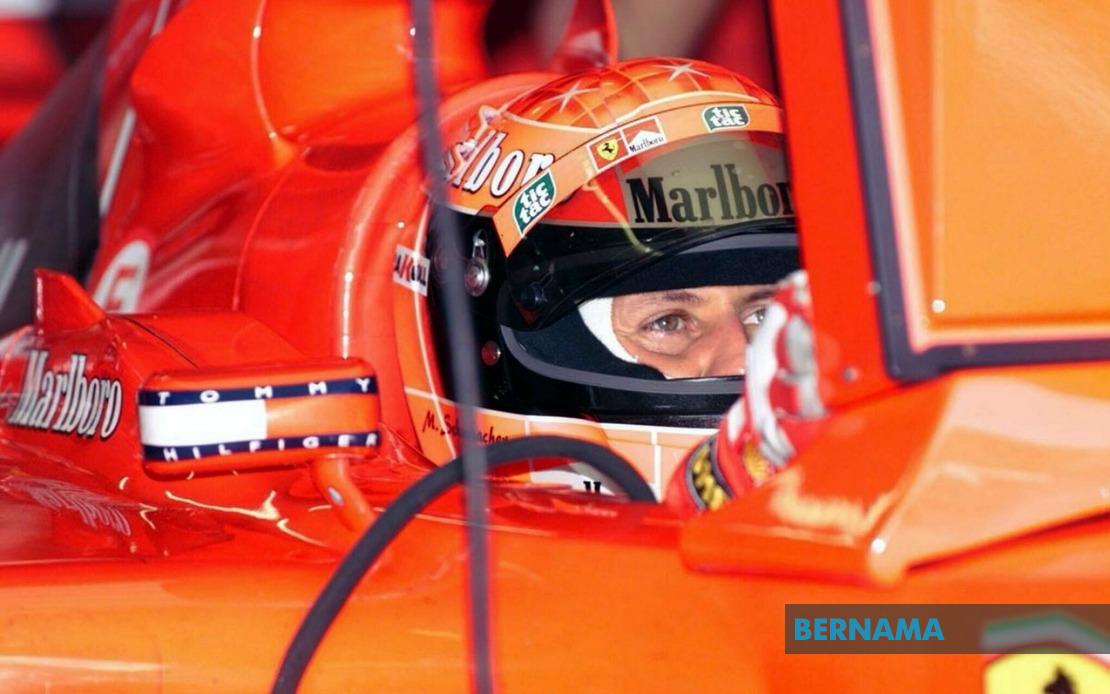
Netflix has confirmed plans to release a major documentary about Michael Schumacher on October 2, examining one of the most pivotal and contentious campaigns in Formula One history. The streaming platform's project benefits from cooperation with Schumacher's wife Corinna and offers an in-depth look at the German driver's meteoric rise to prominence during the 1994 season, when the then 25-year-old secured the first of his record-tying seven world titles.
The 1994 season represents a defining moment in motorsport that extends far beyond competitive achievement. That year became forever marked by tragedy, technological controversy, and the emergence of a new superstar willing to compete at the highest levels of aggression and intensity. The documentary's focus on Schumacher's transformation from an outsider struggling for recognition into a dominant world champion provides context for understanding how his approach to racing fundamentally altered the sport's competitive landscape during the mid-1990s.
Schumacher's championship-winning campaign unfolded amid serious allegations of technical irregularities within his Benetton team. The vehicle was subject to ongoing scrutiny and legal challenges regarding fuel system design and other technical specifications, with critics arguing the team gained unfair advantages that contributed to the driver's success. These claims of impropriety shadowed much of the season and remain debated by motorsport historians and enthusiasts today, making them central to any comprehensive examination of that year's championship battle.
The season was also marked by devastating loss that shook the sport to its core. Roland Ratzenberger's fatal accident during qualifying and Ayrton Senna's death in the opening race at San Marino created an atmosphere of grief and reflection that influenced every subsequent event that year. For many global viewers, particularly in Europe and Asia where Formula One has devoted fanbases, these tragedies fundamentally altered perceptions of the sport and its inherent dangers.
Schumacher's path to the title culminated in Adelaide, Australia, where he secured his maiden world championship in controversial circumstances. His collision with Damon Hill, the defending champion from Britain, during the season finale determined the outcome in Schumacher's favour by a single point. The incident sparked intense debate about driving standards, competitive aggression, and whether Schumacher had crossed ethical boundaries in pursuit of victory—questions that have persisted throughout his career and remain relevant to contemporary discussions about competitive conduct in elite motorsport.
The documentary brings together an impressive array of figures who witnessed and participated in these events firsthand. Corinna Schumacher's participation marks a significant opportunity for the family to shape the narrative surrounding this crucial period. Former Benetton team principal Flavio Briatore offers insights into the technical environment and strategic decisions that defined the team's season. Bernie Ecclestone, who served as Formula One's commercial chief and wielded considerable influence over the sport's governance, provides perspective on how these events unfolded within the broader context of professional motor racing administration.
Additional voices include David Coulthard, a contemporary driver whose career intersected with Schumacher's competitive trajectory, and Willi Weber, Schumacher's manager during this formative period. These interviews create a multifaceted examination of how different stakeholders perceived and experienced the 1994 season's tumultuous events. Their collective recollections illuminate the political, technical, and personal dimensions of professional Formula One competition.
The documentary also explores the emergence of what became known internationally as Schumi-mania, particularly in Germany. Schumacher's success catalysed unprecedented enthusiasm for Formula One throughout German-speaking regions and contributed to the sport's expanded popularity across continental Europe. This phenomenon transformed him from a talented but largely unknown driver into a global celebrity, establishing a template for how individual drivers could become ambassadors for their nations' sporting ambitions.
For Malaysian and Southeast Asian audiences, the documentary carries particular significance given the region's growing enthusiasm for Formula One and motorsport generally. The 1994 season represents a pivotal moment when the sport began its transformation into the globally distributed entertainment product that now commands audiences across Asia. Understanding this historical context helps contemporary viewers appreciate how modern Formula One governance, safety protocols, and competitive standards emerged from the turbulent events of that year.
Schumacher's personal circumstances add poignancy to this retrospective examination. The now 57-year-old has largely withdrawn from public life following a severe skiing accident in 2013 that resulted in significant head trauma. His absence from the public sphere has intensified interest in his career achievements and historical legacy, making a comprehensive documentary particularly timely. The project allows fans and newcomers alike to engage with pivotal moments in motorsport history through the perspectives of those who lived through them.
The October release timing positions the documentary strategically within the Formula One calendar, coinciding with renewed global interest in motorsport as the current season reaches its climax. This scheduling ensures maximum visibility and engagement from both dedicated motorsport enthusiasts and casual viewers seeking accessible content about one of the sport's most compelling historical periods.

